
Last updated October 16, 2026
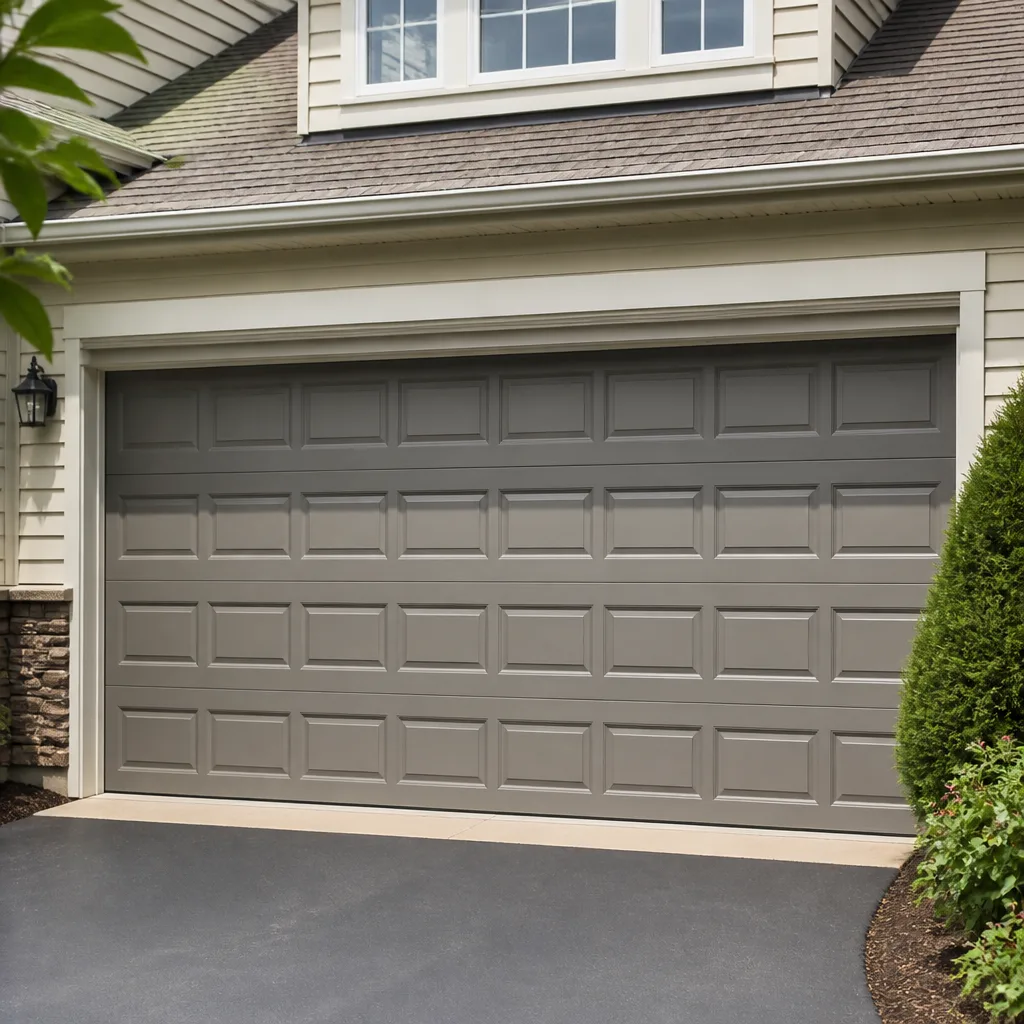 Raised-panel steel
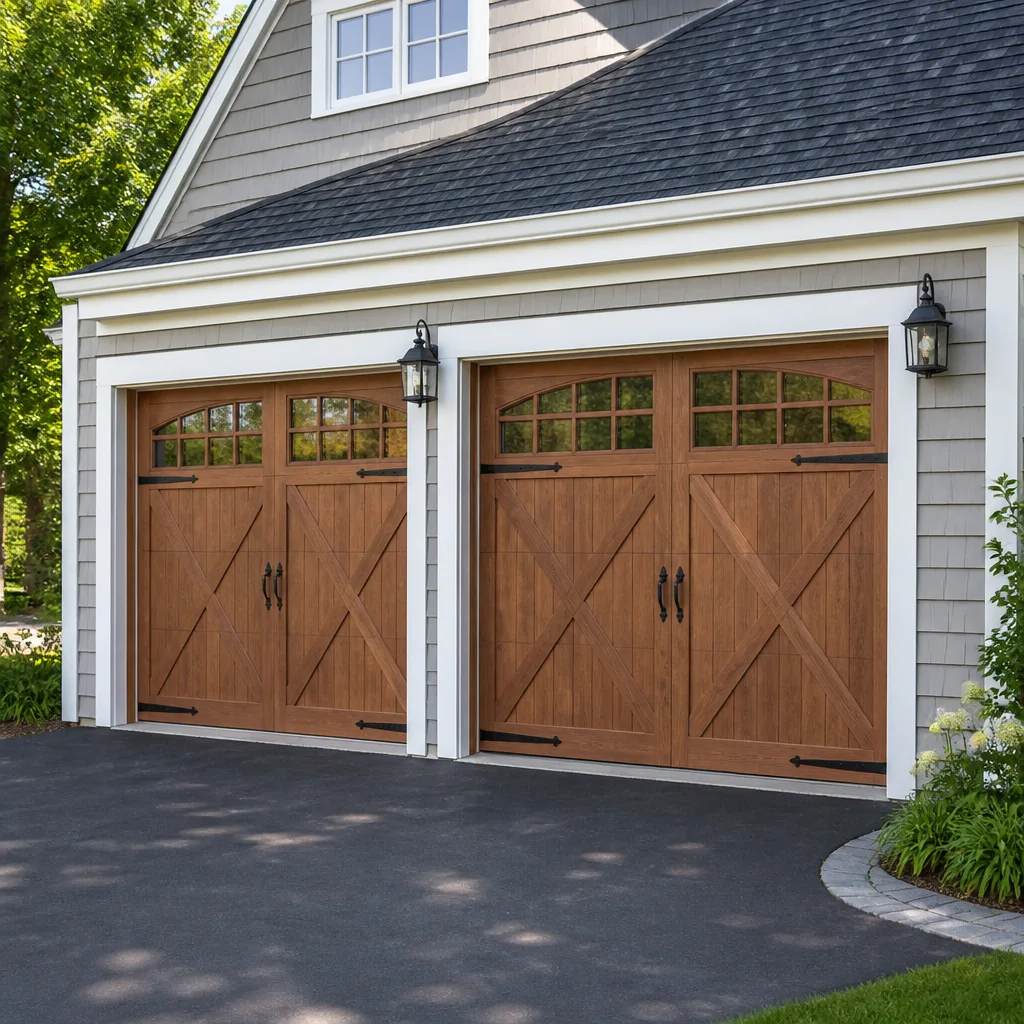 Carriage house
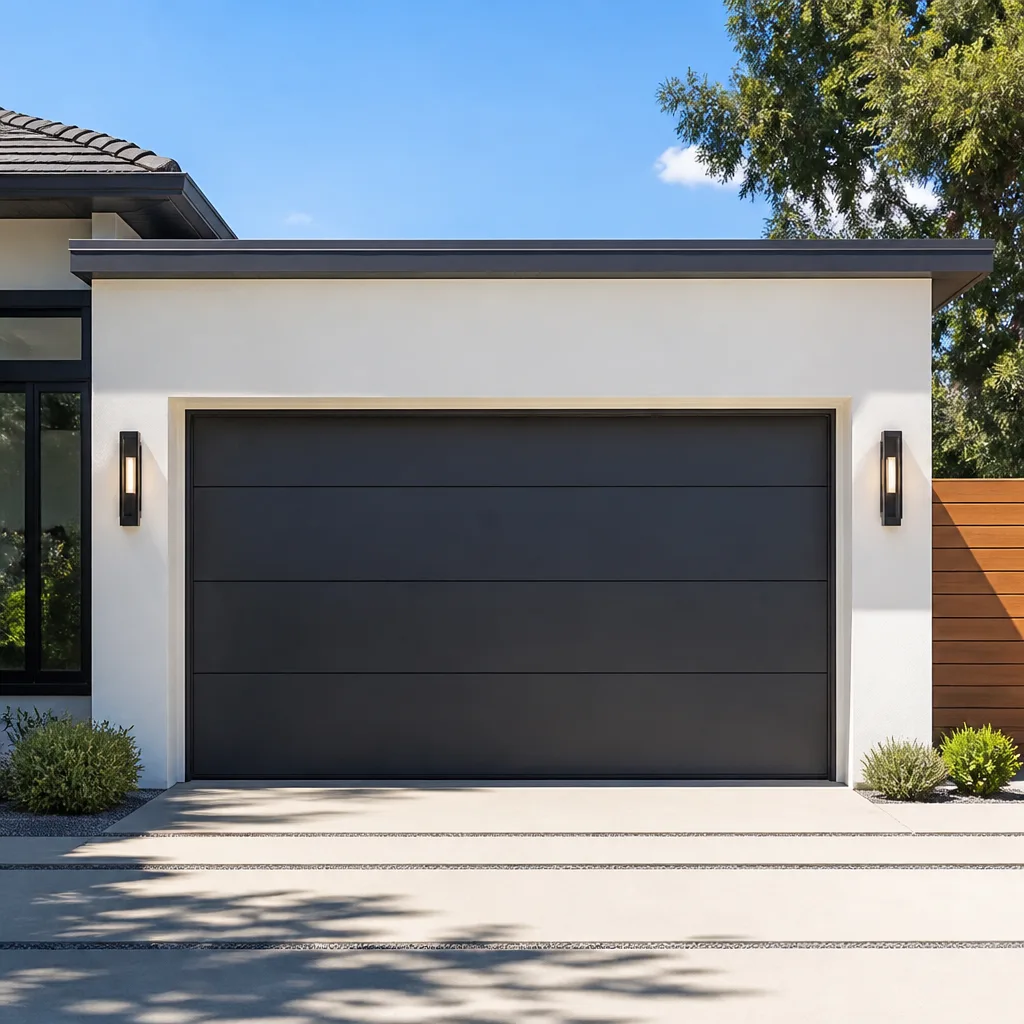 Modern flush
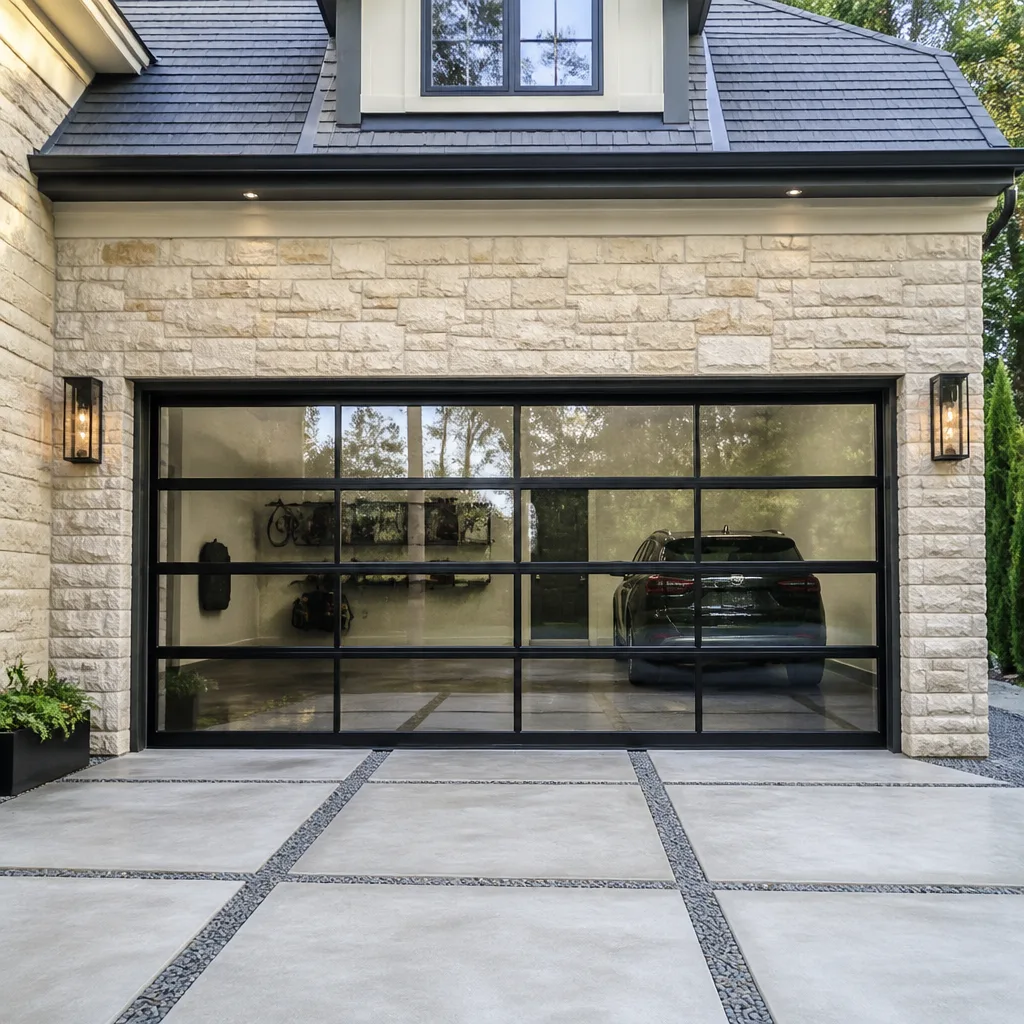 Full-view glass
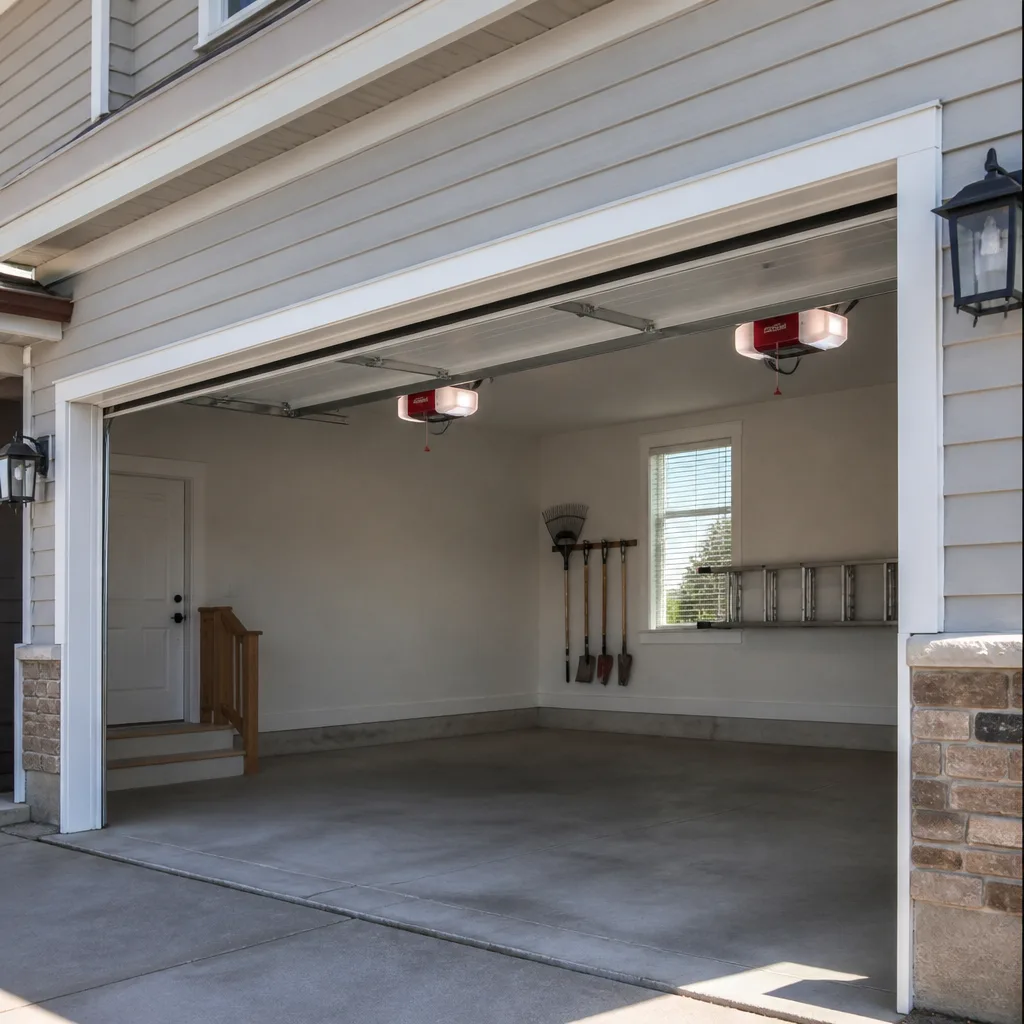 LiftMaster openers
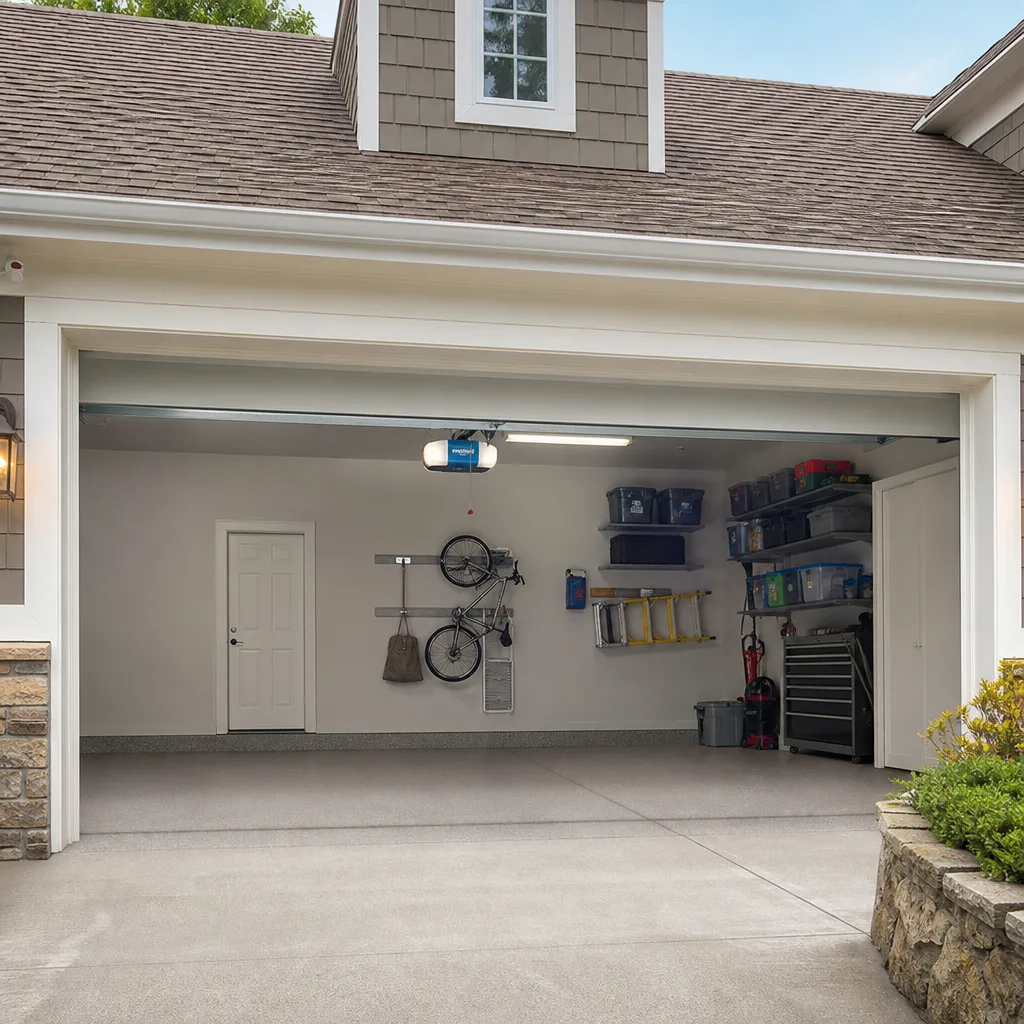 Chamberlain openers
Full 25-point door and opener safety check with every visit - springs, cables, rollers, tracks, and your LiftMaster or Chamberlain opener included
You get a price before we start. It does not change when the truck arrives.
Get your free estimateThe Complete Guide to Garage Door in Marietta
Your garage door is the largest moving machine in your home, and in Marietta’s humidity-swing climate, it cycles through stress that voids manufacturer averages. Most published guides quote national specs that crumble under Georgia heat and Cobb County moisture, so we also maintain more guides & resources for local homeowners. This guide breaks the door into its 14+ components, tells you which ones fail first in Marietta, and gives you the dollar figures you should expect before any technician rings your bell. You’ll learn how to self-diagnose, what a written upfront price actually looks like, and when repair beats replacement. No vague language, no four-hour windows.
Styles & brands we work with
Quick Answer
Garage door repair in Marietta typically runs $120 to $340 for common fixes like spring replacement, cable repair, or roller replacement. The biggest variable isn’t labor, it’s which component actually failed, and knowing that before a tech arrives saves you from paying for diagnosis time. Most Marietta homes built in the 1990s and 2000s use torsion spring systems, which cost more than extension springs but last longer and fail more predictably.
Table of Contents
- The 14+ Components That Make Up Your Garage Door
- Why Marietta’s Climate Accelerates Garage Door Wear
- How to Self-Diagnose Which Component Failed
- Torsion vs. Extension Springs: What Marietta Homes Actually Use
- What a Fair Repair Price Looks Like in Marietta
- The Written Upfront Price: What It Should Include
- Repair Now, Repair Later, or Replace: A Decision Tree
- Common Mistakes to Avoid
- When to Call a Professional
- Frequently Asked Questions
- The Bottom Line
The 14+ Components That Make Up Your Garage Door
Most Marietta homeowners think of their garage door as one object. It isn’t. It’s a system of interdependent parts, and when one fails, it stresses the others. Here’s the component map, in the order we see failures in Cobb County service calls.
- Torsion springs: The horizontal coils above the door that counterbalance its weight. These carry 90% of the lifting load. In Marietta’s heat, spring steel weakens faster than in drier climates. Average lifespan here: 7 to 9 years, not the 10,000-cycle national marketing claim.
- Extension springs: Found on older one-car garage doors in East Cobb and Smyrna-adjacent neighborhoods. They stretch along horizontal tracks. More common in pre-1990 homes.
- Cables: Aircraft-grade steel strands that connect springs to the bottom bracket. They fray before they snap. Marietta humidity accelerates corrosion on exposed cable ends.
- Rollers: Steel or nylon wheels that carry the door along tracks. Nylon lasts 10 to 12 years in Marietta; steel rollers get loud by year 5, especially on west-facing doors in full afternoon sun.
- Tracks: Steel channels that guide the rollers. They rarely fail, but they get misaligned when a cable snaps and the door jerks sideways.
- Hinges: Connect the sections. Number 1 hinge at the bottom takes the most abuse and snaps before the others.
- Drums: Grooved spools at the top of the shaft that wind and unwind cables. A worn drum walks the cable off its groove.
- Bearing plates: Hold the torsion shaft to the wall or header. When they wear, the whole shaft vibrates.
- Center bracket: Anchors the spring system to the wall. Loose lag bolts let the entire assembly flex.
- Bottom brackets: Where the cables attach at the door’s base. These are under constant tension and rust in humid garages.
- Weatherstrip: Rubber seal at the bottom. Marietta’s summer storms and winter damp rot it faster than the national average.
- Panels: Steel, fiberglass, or wood sections. Dents are cosmetic until they crack the frame.
- Opener motor: The ceiling-mounted unit. LiftMaster and Chamberlain dominate Marietta garages, and their gear kits wear out around year 8.
- Opener travel module: The logic board that tells the motor where to stop. Lightning strikes and power surges in summer storms kill these.
- Photo eyes: Safety sensors near the floor. Misalignment, direct sun, and spider webs cause more no-close calls than any mechanical failure.
- Remote and wall console: The most common misdiagnosis. We get at least three calls a week in Marietta where the fix is a $3 battery, not a $200 motor.
Every one of these parts interacts with the others. A snapped cable is rarely the actual root cause. More often, a worn spring changed the tension balance and the cable frayed over months before finally letting go. That’s why Garage Door Repair in Marietta starts with a full system check, not just the part that visibly broke.
Why Marietta’s Climate Accelerates Garage Door Wear
Manufacturer lifespan charts assume a dry, temperate garage. Marietta doesn’t have one. Humidity averages above 70% in summer months, and temperature swings between February and August can span 50 degrees in a single season. That combination does specific, predictable damage.
Rust gets a head start. Cables, hinges, and bottom brackets in Marietta garages corrode faster than inland averages. We’ve pulled bottom brackets off doors in Marietta’s Whitlock neighborhood that looked fine from the outside and were 80% rusted through at the attachment point. Humidity doesn’t need standing water; it just needs time and exposed metal.
Metal expands and contracts. Tracks, shafts, and spring coils all move with temperature. A track bolted tight in January changes position slightly in July. That movement doesn’t break tracks, but it accelerates roller wear and makes noise complaints peak during late spring when the first heat wave hits.
Wood doors absorb moisture. Older Marietta neighborhoods like Historic Marietta Square and Church Street have wood garage doors that swell in summer and shrink in winter. A perfectly balanced wood door in February can bind in August. We’ve seen panel splits appear within a single season.
Opener electronics don’t love storms. Cobb County sits in a lightning corridor. Power surges through the garage outlet every thunderstorm season, and opener logic boards take the hit. If your opener works from the wall button but not the remote after a storm, that’s not a remote issue, it’s a surge-damaged receiver.
National lifespan charts don’t account for any of this. In our experience across Marietta, Springs in wind-exposed garages near Kennesaw Mountain fail 12 to 18 months earlier than sheltered doors in West Cobb subdivisions.
How to Self-Diagnose Which Component Failed
Before you call anyone, spend four minutes with this checklist. It tells you which part to mention on the phone, and it protects you from paying for a full inspection when the problem is a single broken hinge. Run through these in order.
- Look at the springs. If you see an 18 to 24 inch gap in the center of a horizontal spring above the door, the torsion spring snapped. If a side-mounted spring is dangling loose, the extension spring separated. Both mean the door is unsafe to lift manually. Do not try.
- Look at the cables. If the door hangs crooked or a cable hangs loose off the drum, you have a cable failure. Sometimes a frayed cable is still attached but visibly shredded. That’s a same-week repair, not a someday repair.
- Listen to the rollers. When the door moves, a rhythmic grinding that sounds like a train on a rough track means worn rollers. A random pop or snap means a hinge or panel split.
- Watch the door path. If it jerks at the same spot every time, a track dent or roller flat spot. If it moves crooked from the start, a broken spring or cable imbalance.
- Test the opener only after the manual door moves smoothly. Disconnect the opener using the red release handle. Lift the door halfway. If it stays, springs are fine. If it drops, springs are failing. If it’s heavy, that’s spring fatigue. If it’s light and drops on its own, you may have a spring that’s over-wound or the wrong size from a previous repair.
- Check the photo eyes. If the door closes a few inches and reverses, or won’t close at all, look at the small sensors near the floor. Loose wiring, spider webs, or direct sun hitting the lens from the west in Morse Mill garages causes half of our no-close calls.
- Note the noise. A hum but no movement means the opener motor runs but the gear kit is stripped. A click with no hum means a dead capacitor or board. No sound at all means the outlet, fuse, or remote battery.
Write down what you found. When you call about garage door spring repair in Marietta, saying “the spring snapped and the left cable is loose” gets you an accurate ballpark on the phone instead of a surprise after arrival.
Torsion vs. Extension Springs: What Marietta Homes Actually Use
The spring type on your door dictates cost, lifespan, and safety. Marietta’s housing boom in the 1990s and 2000s produced a lot of two-car garages, and two-car garages almost universally use torsion systems. Here’s the difference and why it matters.
Torsion springs mount horizontally on a steel shaft above the door opening. They wind and unwind to lift the door. They cost more to replace, typically $150 to $290 for a pair including labor in Marietta, but they last 7 to 9 years in our climate and fail in a predictable way: a loud bang, a visible gap, and a door that won’t lift.
Extension springs mount vertically on both sides and stretch as the door closes. They’re cheaper individually, around $110 to $180 for a pair installed, but they’re less common in modern Marietta homes. You’ll find them on older one-car garages in Kirkwood-adjacent areas and some 1970s ranches in the Panhandle of Marietta. They fail by stretching past their useful tension rather than snapping, which means a door that gets gradually heavier instead of failing suddenly.
Why the distinction matters for pricing: A torsion spring replacement involves winding bars, a solid shaft, and more labor. An extension spring swap is simpler but requires safety cables run through the spring, which older doors often lack. If you have extension springs without safety cables, that’s a $20 add-on that prevents a missile-like projectile if the spring snaps.
One more thing that surprises Marietta homeowners: springs are rated in cycles, not years. A 10,000-cycle spring works out to about 10 years at two open-close cycles per day. If your household runs four cycles daily, that same spring lasts 7 years. Marietta’s heat shortens that further. When you replace springs, ask for high-cycle springs, they cost about $30 to $50 more and buy you several extra years.
What a Fair Repair Price Looks Like in Marietta
For deeper numbers, see our Garage Door Cost Breakdown: The Marietta Homeowner’s Reference for 2026; here’s what we consider honest Marietta pricing for the most common repairs, based on current market rates for licensed, insured work. These are ranges, not quotes. Your exact price depends on door size, part availability, and any secondary damage from the initial failure.
- Torsion spring replacement (pair): $150 to $290. Includes both springs, labor, and a balance test. High-cycle springs add $30 to $50.
- Extension spring replacement (pair): $110 to $180. Includes safety cable installation if missing.
- Cable replacement (one side): $90 to $140. Both cables: $140 to $210. If a broken spring caused the cable snap, add spring cost.
- Roller replacement (set of 10): $90 to $140 for nylon. Steel is cheaper but louder within two Marietta summers.
- Hinge replacement: $20 to $40 per hinge. The labor is minimal; the part is cheap.
- Track realignment: $80 to $130. If the track is dented beyond bending back, add track section replacement.
- Opener gear kit replacement: $130 to $200. Often includes a check of the travel module and chain tension.
- Photo eye alignment or replacement: $70 to $120. Most alignment calls in Marietta take under 20 minutes.
- Weatherstrip replacement: $60 to $100. Marietta’s humidity eats the rubber, so this is a recurring line item every 3 to 5 years.
Every number above should be quoted and agreed before work starts. If a company won’t give you a written range on the phone, that’s a red flag. We tell every Marietta caller the pricing band before dispatching a technician, because the price should never be a surprise in your own driveway. For the full breakdown of what our repairs cost and what’s included, start with Garage Door Repair in Marietta.
The Written Upfront Price: What It Should Include
Most Marietta garage door companies still use the “we’ll assess on-site” line. Here’s what that actually means: the technician arrives, quotes a price, and you’re standing in your garage holding a wrench handle with no leverage to compare. A written upfront price fixes that. Here’s what it should look like.
Line-item parts and labor. Not “spring replacement: $250.” You want to see “torsion spring pair (243x2x24.5): $85” and “labor: $110” and “service fee: waived if repair performed.” Line items let you verify the part isn’t marked up 400%.
Written before work begins. Not verbal. A texted or emailed quote with a number on it. If the technician finds additional damage during the repair, that’s a new written quote, not a surprise on the final invoice.
A performance guarantee. The repair should carry a coverage period. Ours is the 365-Day Done Right Promise: if the fix fails within a year, we come back and make it right at no cost. Written, not mentioned casually in the driveway.
Arrival transparency. You should see when the tech is en route. The Marlow Garage Door Repair Marietta home page explains how our live arrival tracking works, but the short version: you watch the tech drive to your house, same as a rideshare.
If a company’s “quote” comes in under $100 for a spring replacement, something’s wrong. Either they’re quoting one spring when the job needs two, they’re using economy springs that’ll fail in three years, or they’ll upsell at the door. Quality work in Marietta costs what it costs. The goal isn’t the cheapest price, it’s a price you can trust.
Repair Now, Repair Later, or Replace: A Decision Tree
We get asked constantly whether a door should be fixed or scrapped. The answer depends on three numbers: the cost of the repair, the age of the door, and whether the failure is structural or wear-related. Walk through this decision tree.
- Repair now: repair cost under $300, door under 15 years old. Springs, cables, rollers, hinges, weatherstrip, photo eyes. These are maintenance items. Fix them immediately. Delaying a $250 spring repair in Marietta leads to a seized door, strained opener, and sometimes a cracked panel when the unbalanced door slams down.
- Repair now but watch closely: repair cost $300 to $600, door under 12 years old. Opener motor replacement, multiple simultaneous component failures, or a panel replacement that requires color matching. If the door is otherwise solid, invest the money and keep it.
- Repair later: repair cost under $150, cosmetic issue. Small dents, fading panels, a sticky remote button. These don’t affect operation or safety. Handle them when the budget allows.
- Replace: repair cost above $600 and door is 15+ years old. At this point, you’re sinking money into a system where springs, cables, rollers, and panels are all nearing end of life. A replacement runs $900 to $2,200 installed in Marietta, depending on size and insulation. Spending $600 on a 20-year-old door is a down payment on more repairs.
- Replace immediately: structural damage, or the door is unsafe. A collapsed panel, a door that fell off its tracks, or a wood door rotted through from Marietta’s damp summers. Structural failure means the lifting system was overloaded, and another patch won’t fix the root cause.
- Safety override: any spring or cable failure means stop using the door. Don’t park the car inside and “deal with it later.” A broken spring leaves 150 to 300 pounds of uncontrolled weight. We’ve seen doors drop onto cars, trash bins, and once, a teenage skateboard ramp. Repair now.
For cable-specific issues, see Garage Door Cable Repair in Marietta for a full breakdown of what fails and when it’s a repair vs. replace call.
Common Mistakes to Avoid
- Waiting to hear the bang. Many Marietta homeowners ignore a noisy, slow door until a spring snaps. Worn rollers and aging springs give warnings for months. Replacing rollers early costs $100; replacing a snapped spring, bent track, and stretched cable costs three times that.
- Lubricating with the wrong product. WD-40 is not garage door lubricant. It strips the existing grease and attracts dust. Use a silicone or lithium spray on rollers, hinges, and springs. In Marietta’s humid air, this matters more than in dry climates.
- Replacing one spring instead of both. When one torsion spring snaps, the other is the same age and has the same cycle count. Replacing only the broken one saves $40 and guarantees another service call within months. Always replace both.
- Adjusting springs without a winding bar. Torsion springs store enough energy to break bones. This is not a YouTube tutorial situation. We’ve had Marietta handymen try it with screwdrivers and end up at WellStar. The springs kill. Full stop.
- Ignoring a door that only closes halfway. That’s often a photo eye issue, but it can also be a failing logic board or a cable starting to walk off the drum. A door that reverses unpredictably is a safety hazard, not a quirk.
- Picking a company based only on a Google ad. The biggest ad spenders in Cobb County are often the biggest subcontractors, not actual local technicians. Ask if the tech works for the company that answered the phone. Our techs are background-checked, uniformed, and employees of Marlow, not a dispatch network.
- Accepting a verbal quote. If the number isn’t written, it isn’t real. We say this to every Marietta homeowner who calls us after a bad experience: your invoice should match your quote. Every time. No exceptions.
When to Call a Professional
Some garage door work is DIY-friendly. Lubricating rollers, replacing a remote battery, adjusting a photo eye, and swapping weatherstrip are all safe with basic tools. Springs, cables, and anything involving the torsion shaft are not. If your door has a broken spring, a snapped cable, a door that fell off its tracks, or an opener that makes grinding sounds while the door stays put, stop touching it and call someone who does this every day. The stored energy in a torsion spring is enough to cause permanent injury. We’ve rebuilt doors for Marietta homeowners who tried the DIY route and ended up with a worse problem than a $200 spring. Marlow Garage Door Repair Marietta offers free estimates in Marietta, call (912) 575-7540 and we’ll give you a written price before we start.
Frequently Asked Questions
Most garage door repairs in Marietta run between $120 and $340, depending on which component failed. Spring replacements fall in the $150 to $290 range, cable repairs run $90 to $210, and roller replacements cost $90 to $140. The exact price depends on your door size, spring type, and whether the failure damaged secondary parts. Call (912) 575-7540 for a written quote before any work starts.
Yes, in most cases we can dispatch a technician to your Marietta home the same day, especially for spring and cable failures that make the door unusable. Your tech arrives with a live tracking link so you see exactly when they’ll pull up. Repairs that involve ordering specific parts, like custom panels or rare opener boards, may require a second visit.
Garage door springs in Marietta break for three reasons: cycle fatigue, humidity-driven metal weakening, and temperature swings that stress the coil structure. Our climate shortens spring life by 12 to 18 months compared to national averages. If your spring broke, the other one is likely close behind, which is why we always replace both at once.
No. The price we quote is the price you pay, written before any work begins. If we discover additional damage during the repair, we present a new written quote and get your approval before proceeding. You never get a surprise on the invoice.
Our technicians stock the most common parts for Marietta doors: torsion springs in multiple sizes, extension springs, cables in standard and heavy-duty gauges, nylon and steel rollers, hinges, weatherstrip, and opener gear kits. We’re also trained on eight major brands, including Amarr, Wayne Dalton, and Craftsman, so the tech arriving at your home already knows your door. If a specific part isn’t on the truck, we’ll get it ordered and scheduled quickly.
A well-maintained garage door in Marietta lasts 15 to 20 years, but individual components don’t. Springs last 7 to 9 years in our climate, rollers 10 to 12 for nylon, and openers 8 to 12. The door itself can last decades if you replace wear parts before they cascade into structural damage. Raynor and other quality brands hold up well in Cobb County when the maintenance schedule matches the humidity reality.
The Bottom Line
Your garage door is a system, not an object. In Marietta, that system lives in a climate that rusts cables early, weakens springs faster than manufacturer charts predict, and pushes opener electronics through storm-driven surges. Learn to identify which component failed. Get a written price before work starts. Replace springs in pairs. And when the job involves tension, cables, or a door off its tracks, call someone who does it every day. The difference between a $100 roller replacement and a $600 cascade failure is usually a few weeks of paying attention. Marlow Garage Door Repair Marietta gives you the visibility to make the right call, and the written guarantee to back it up.
Written by Jaylen Ross, Owner at Marlow Garage Door Repair Marietta, serving Marietta since 2002.
See the difference
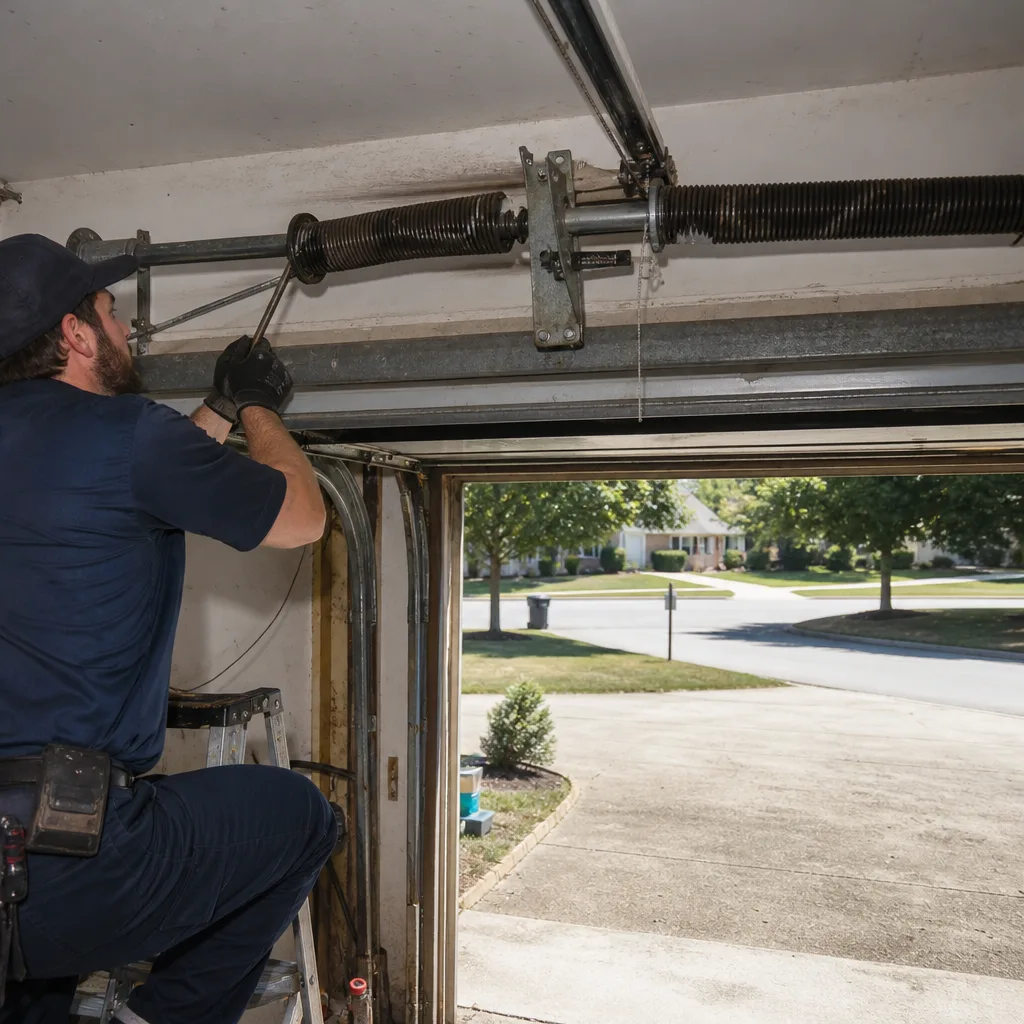 Before
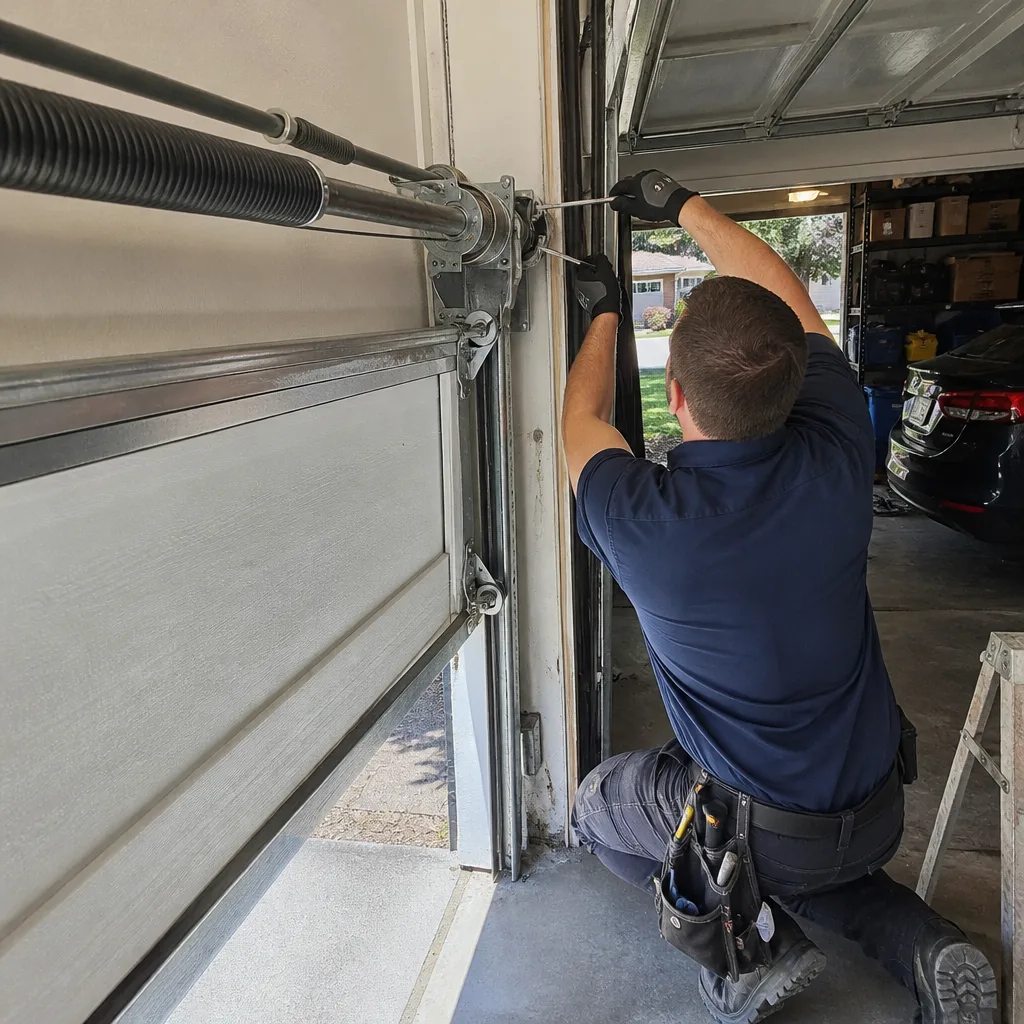 After
After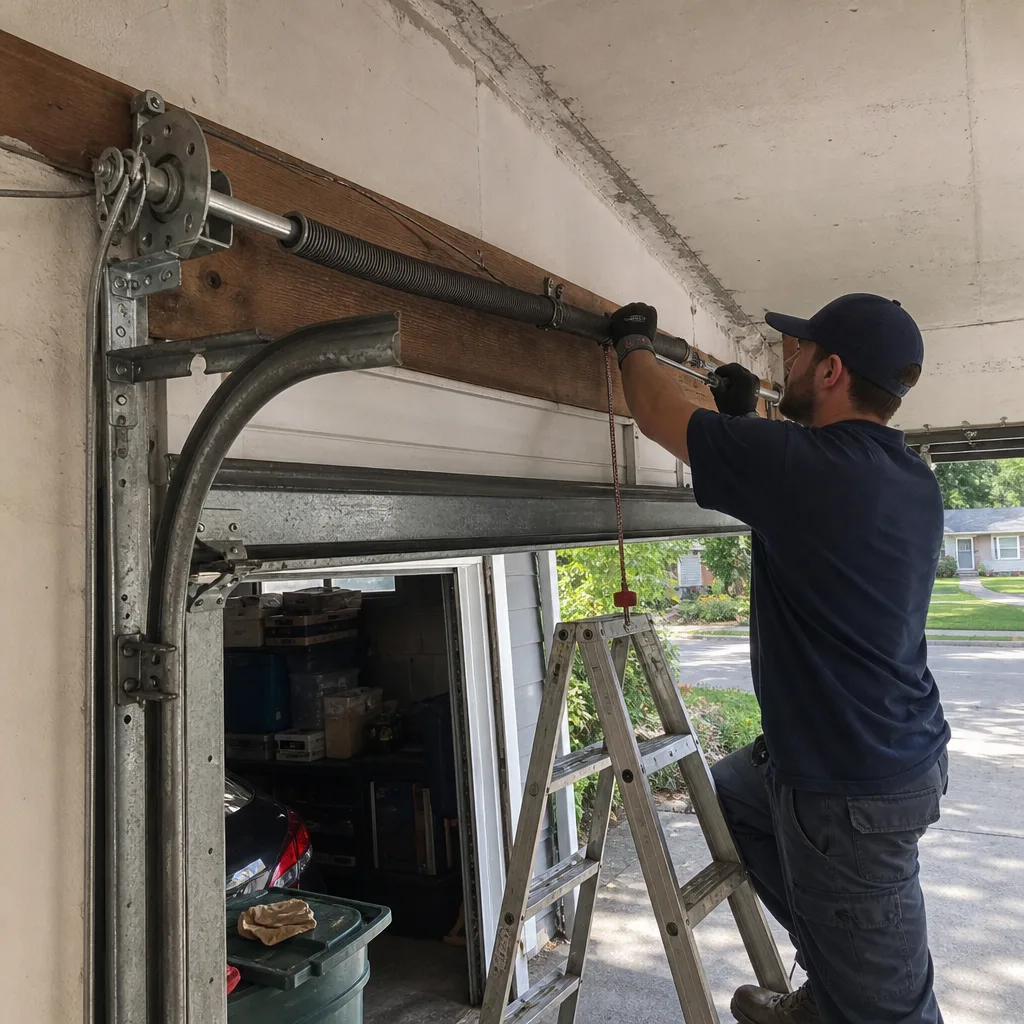 Before
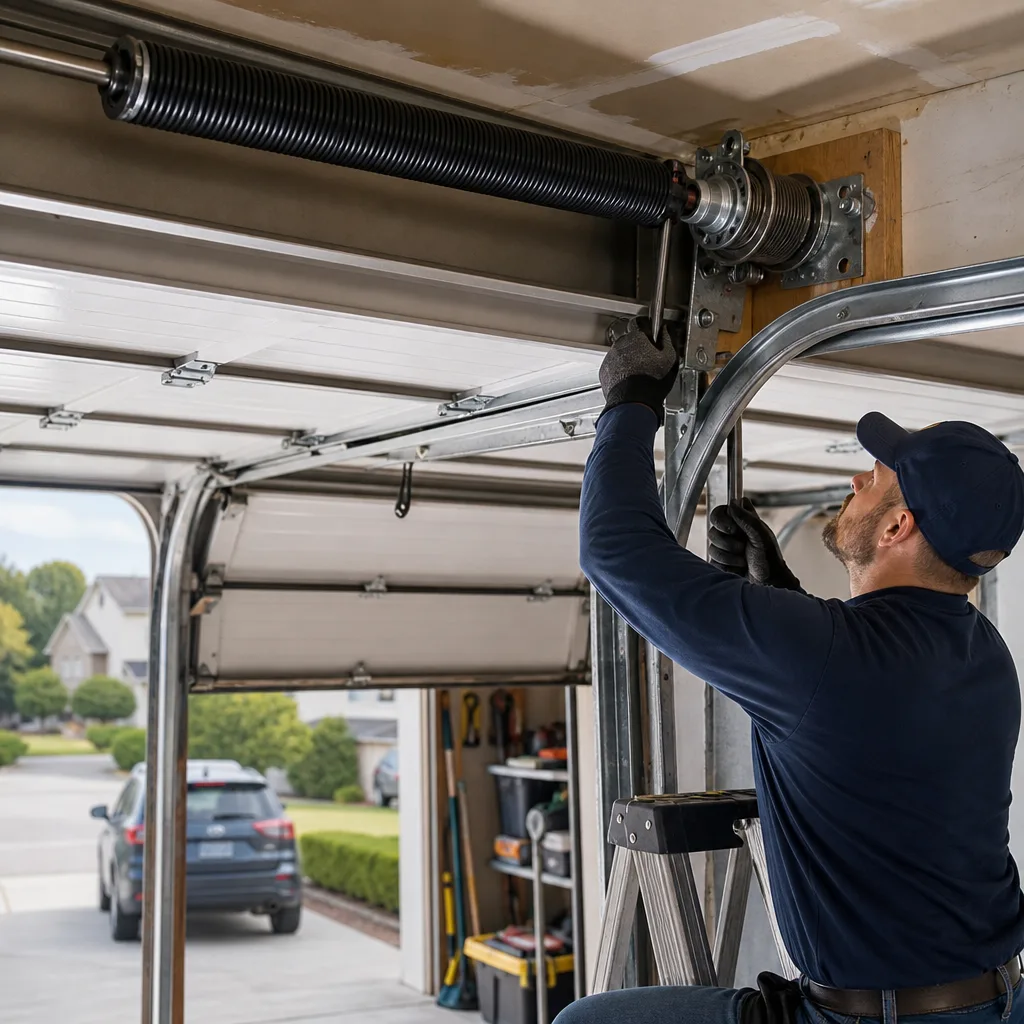 After
After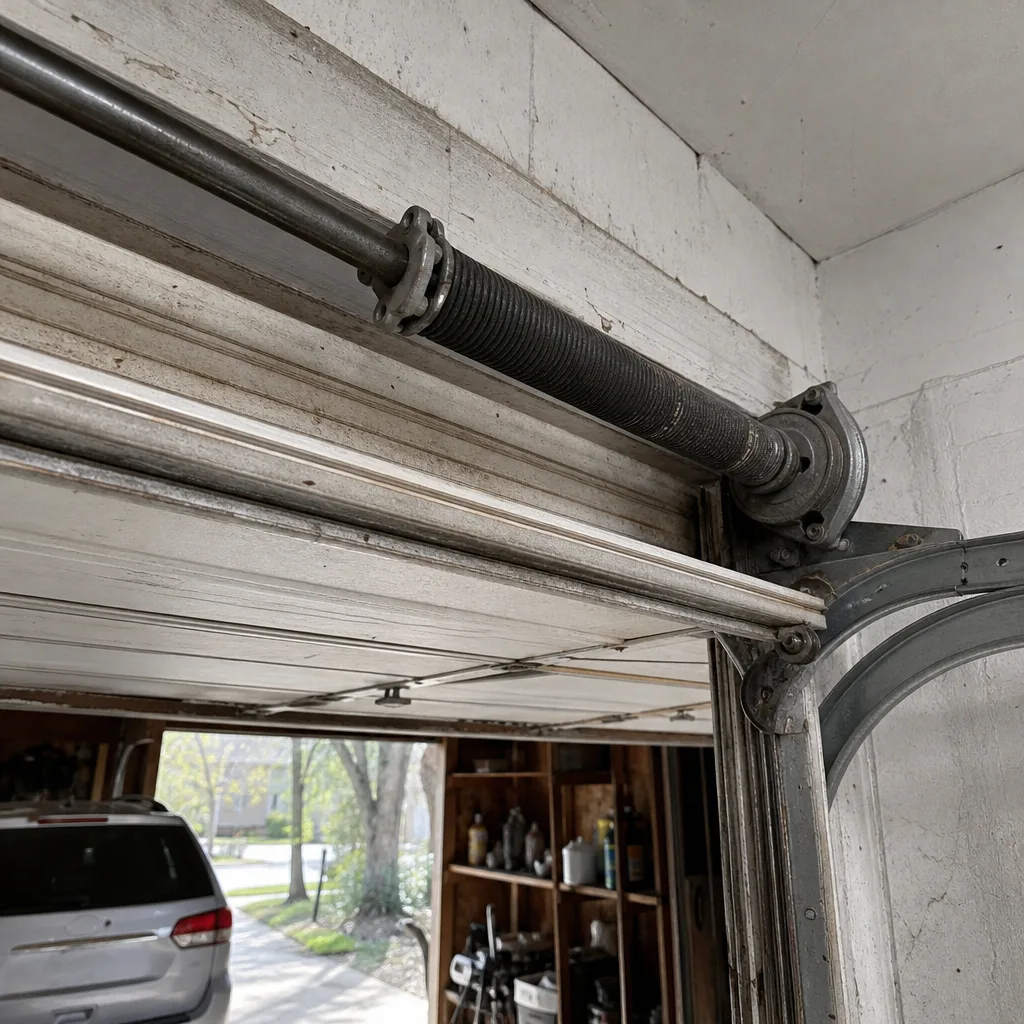 Before
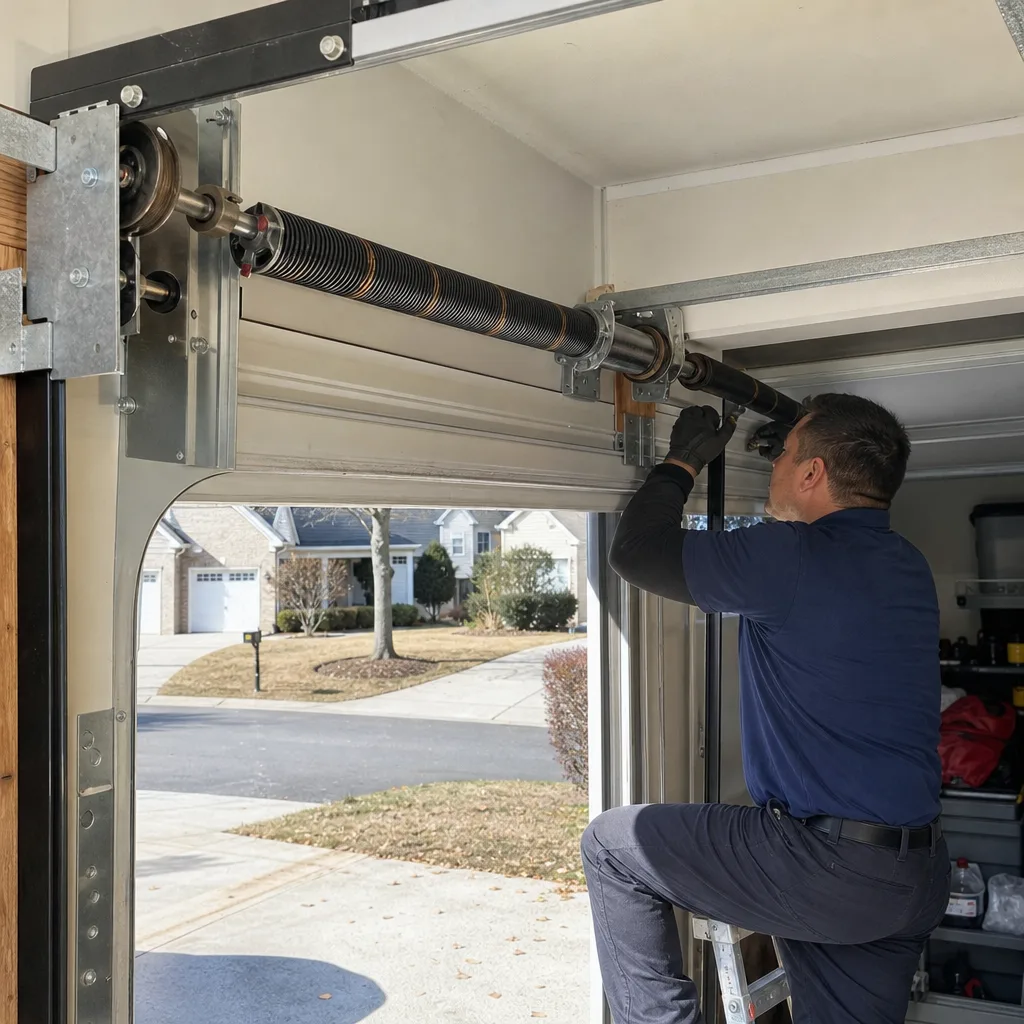 After
After