
Last updated October 16, 2026
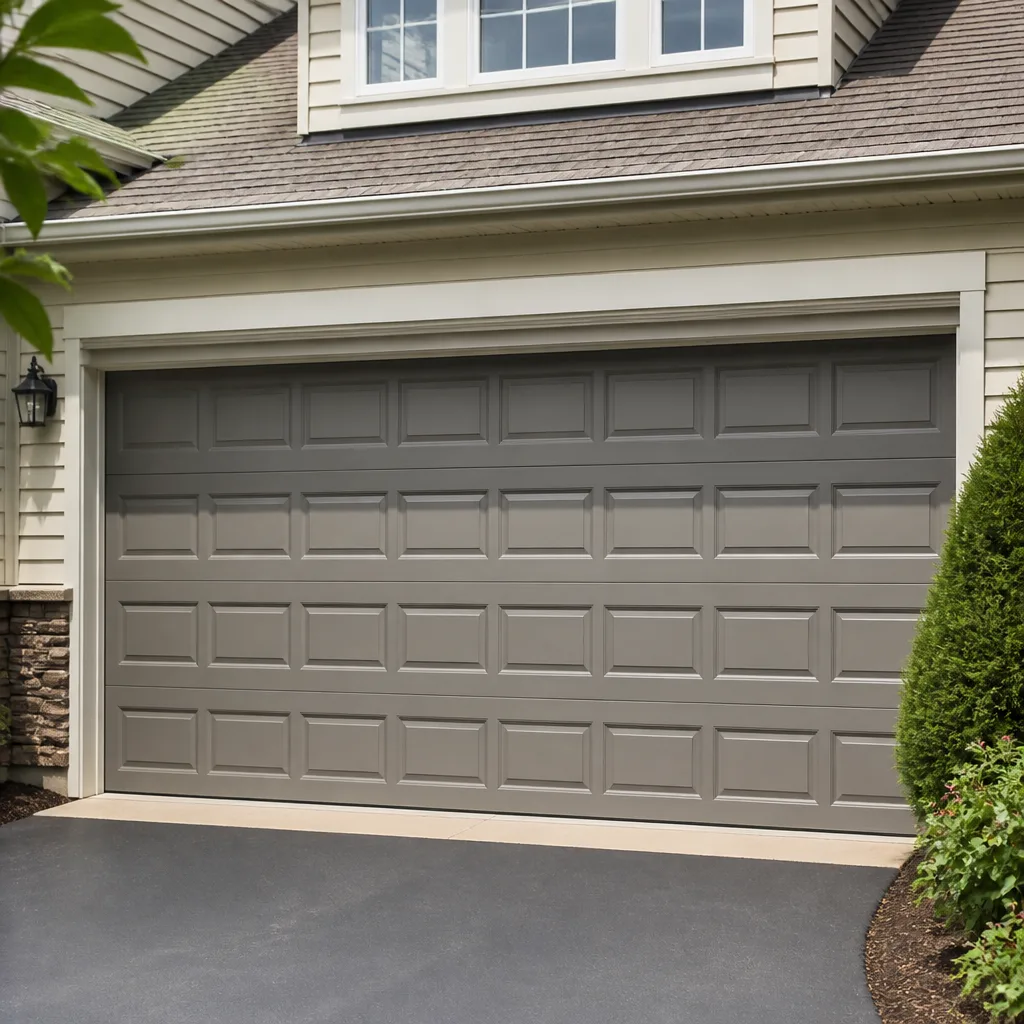 Raised-panel steel
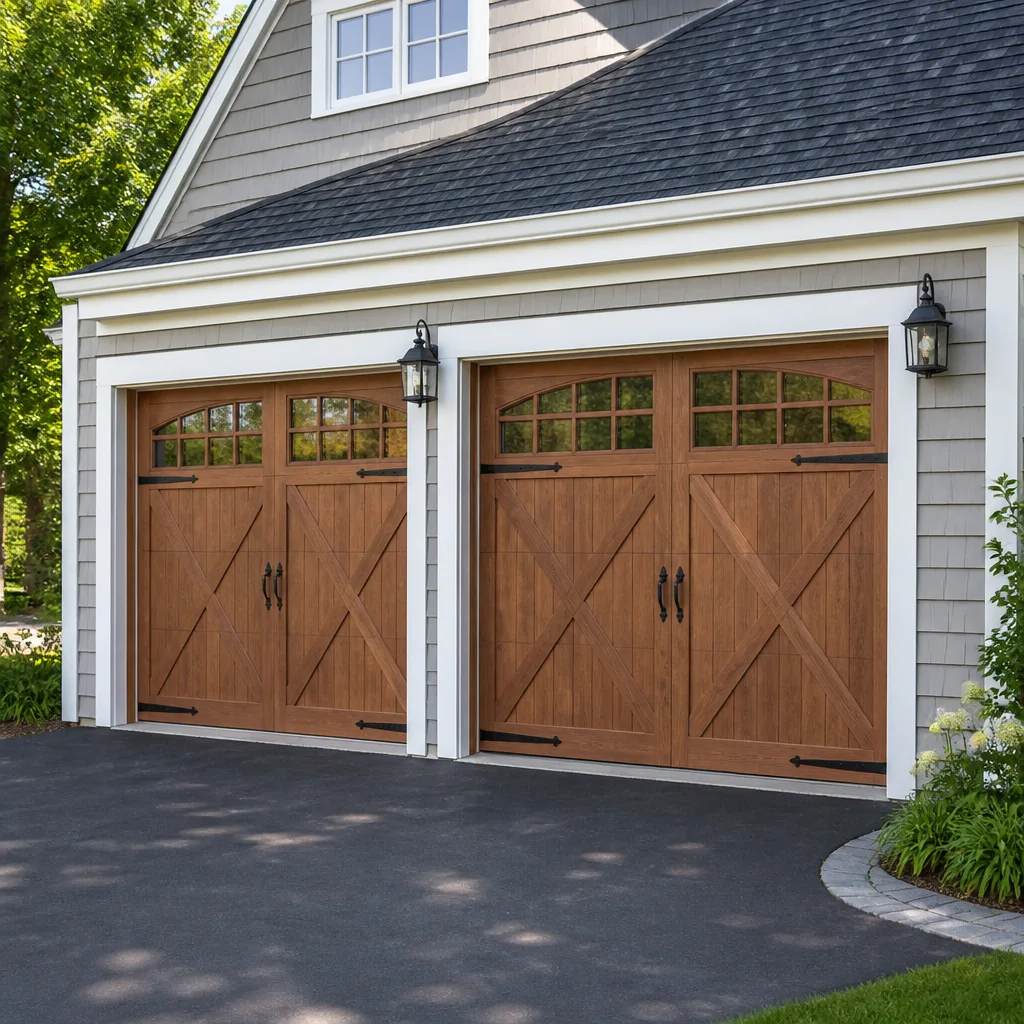 Carriage house
 Modern flush
 Full-view glass
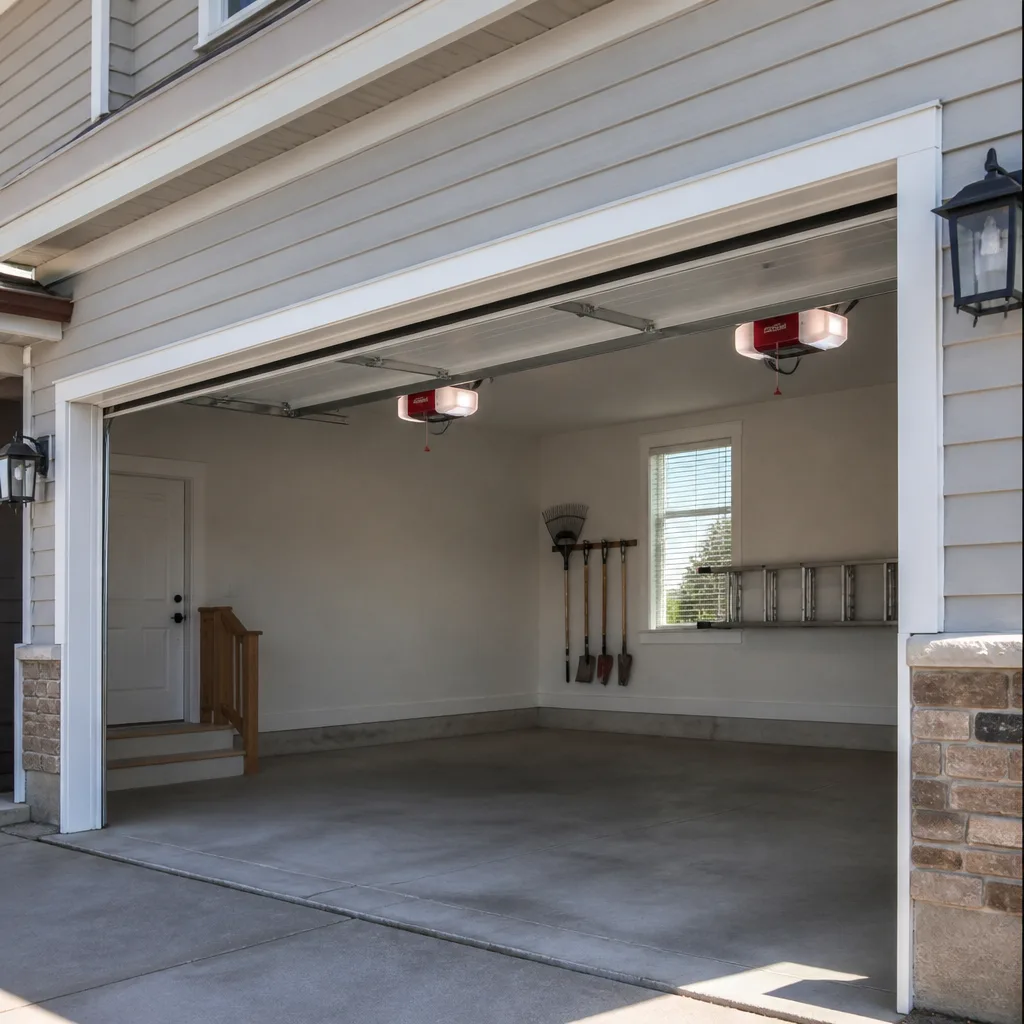 LiftMaster openers
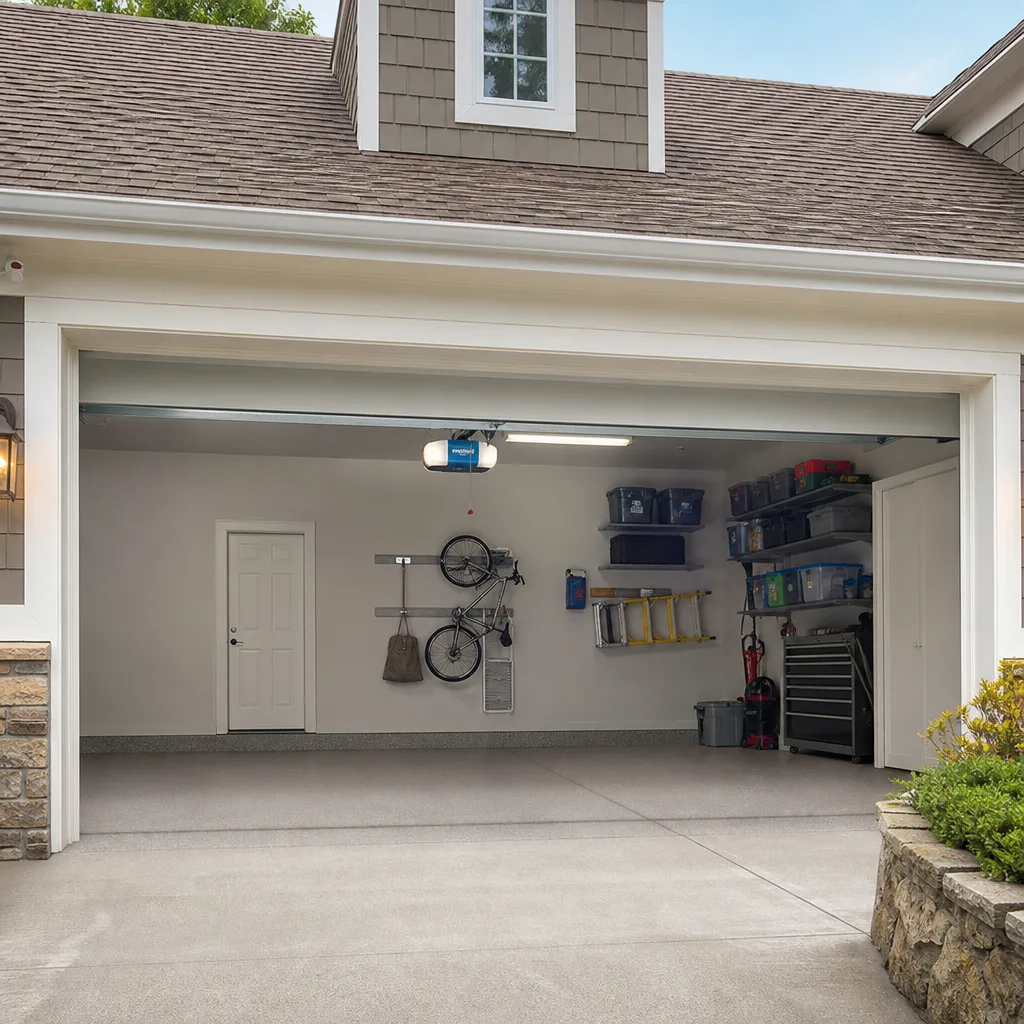 Chamberlain openers
Full 25-point door and opener safety check with every visit - springs, cables, rollers, tracks, and your LiftMaster or Chamberlain opener included
You get a price before we start. It does not change when the truck arrives.
Get your free estimateGarage Door Permits, Codes & Inspections in GA: What You Need to Know
Here’s a counterintuitive fact about garage doors in Georgia: replacing an entire garage door, track system, and opener can often be done without a building permit, while adding a new electrical outlet for a garage door opener technically requires one. Marietta homeowners discover this distinction the hard way, usually when a real estate transaction stalls days before closing over an unpermitted installation that no one flagged during the work itself. This guide walks you through exactly when Cobb County requires a permit for garage door work, what the Georgia State Minimum Standard Codes actually say about residential garage doors, what an inspector looks for, and how to avoid inheriting a liability that surfaces years later. For Garage Door Warning Signs: A Marietta Homeowner’s Reference Guide, see our related resource.
Styles & brands we work with
Quick Answer
In Cobb County, Georgia, most residential garage door replacements are classified as routine repairs and do not require a building permit. Replacing a door with one of the same size and type, swapping springs, cables, or openers with like-for-like components, and basic maintenance are all permit-exempt. You generally need a permit when you alter the rough opening, add a new electrical circuit for an opener where none existed, or perform structural modifications to the garage. Call Cobb County Development & Inspections at (912) 575-7540 to confirm your specific project before work begins.
Table of Contents
- When a Permit Is Required in Cobb County
- When No Permit Is Required
- Georgia State Minimum Standard Codes: What Actually Applies
- Step-by-Step: How to Pull a Residential Permit in Cobb County
- What the Garage Door Inspection Actually Covers
- How to Verify Your Contractor Pulled the Permit
- What Happens When You Skip the Permit
- Common Mistakes to Avoid
- When to Call a Professional
- Frequently Asked Questions
- The Bottom Line
When a Permit Is Required in Cobb County
Cobb County’s Residential Building Permit threshold for garage door work comes down to one question: are you replacing or are you altering? Replacement means the new door fits the existing opening without structural changes. Alteration means you’re changing the opening size, modifying framing, relocating the door, or adding structural support. Replacement is generally permit-exempt. Alteration is not.
Here’s the specific list of garage door scenarios that trigger a building permit in Cobb County:
- Changing the rough opening size. If you’re widening the opening from a single-car to a double-car door, or changing the headroom clearance, you’re modifying the structure. The header above the opening carries roof and wall load, and changing it requires an engineered design and a permit.
- Converting a carport to an enclosed garage. This is a full structural project that includes foundation work, framing, electrical, and the garage door installation itself. It requires both a building permit and an electrical permit.
- Adding a garage door where none existed. Cutting a new opening into an exterior wall is structural modification. This requires a permit, full stop.
- Adding a new electrical circuit for a garage door opener. If the garage has no existing ceiling outlet where the opener will mount, running a new circuit requires an electrical permit. Tapping into an existing garage circuit with an additional outlet may also trigger a permit depending on the scope.
- Reinforcing a garage door for hurricane or wind-load requirements. In certain Cobb County zip codes, particularly areas east of I-75 that experience stronger storm wind patterns, adding reinforcement brackets or upgrading to a wind-rated door may require documentation of compliance even if no structural change occurs.
One nuance many Marietta homeowners miss: replacing a non-fire-rated door between a garage and living space with another non-fire-rated door is fine. But if an inspector or home inspector flags the door as out of compliance with the current fire separation code, you may be required to upgrade to a fire-rated door, which is a material specification issue rather than a permit issue, though it sometimes gets pulled into a permit review when other work is happening.
In our experience, the permit discussions we field from Marietta homeowners in neighborhoods like East Cobb, Kennesaw Mountain, and historic Marietta Square typically fall into two buckets: carport conversions and opening alterations. Those are the projects where skipping the permit creates the most expensive headaches later.
When No Permit Is Required
Most garage door work that Garage Door Repair in Marietta companies perform fall squarely into the “routine repair” category. Cobb County’s Development & Inspections department treats these as maintenance operations, not construction. No permit is needed for any of the following:
- Full door replacement with same-size opening. Removing an existing sectional door and installing a new one of the same dimensions, using the existing track configuration, requires no permit. This holds true whether you’re installing a Clopay, Amarr, or Wayne Dalton door.
- Garage door spring replacement. Garage Door Spring Repair in Marietta work, including torsion spring and extension spring replacement, is classified as a repair. No permit.
- Garage door cable replacement. Garage Door Cable Repair in Marietta falls under routine maintenance. Broken cables are a wear-and-tear issue, not a structural one.
- Opener replacement. Swapping an existing opener for a new one that plugs into the same outlet is permit-exempt. The electrical connection already exists. A LiftMaster or Genie opener installed on an existing dedicated outlet does not require an electrical permit.
- Track, roller, hinge, and panel replacement. Replacing individual panels on a sectional door, or replacing worn rollers and hinges on the existing track system, is maintenance work. No permit.
- Weather seal and threshold replacement. Bottom seals, side seals, and threshold strips are routine wear items.
The key distinction: if the door and its mechanical components are being serviced or replaced within the existing opening, Georgia code classifies this as repair. The moment the opening itself changes, the classification shifts to alteration and a permit is required.
Georgia State Minimum Standard Codes: What Actually Applies
Georgia enforces a set of State Minimum Standard Codes that every county, including Cobb, must follow. Counties can add local amendments but cannot weaken the state standards. For garage doors, three sections of the state code actually matter to homeowners.
1. International Residential Code (IRC), Section R309 – Garages and Carports. This section governs the structural and fire-safety requirements for residential garages. The parts relevant to garage doors include separation requirements between the garage and living space, fire rating requirements for doors leading from the garage into the house, and the requirement that garage floors be sloped to direct liquids toward the vehicle door opening. For garage door installations specifically, the IRC references the door manufacturer’s installation instructions as the compliance standard. If you install a Wayne Dalton door, for example, the Wayne Dalton installation manual becomes the code-compliant reference for that installation.
2. International Energy Conservation Code (IECC), Section R402 – Building Thermal Envelope. Georgia enforces the IECC for residential construction. Garage doors that separate conditioned space from unconditioned space fall under the thermal envelope requirements. Practically, this affects the R-value (insulation rating) of the garage door itself. If your garage is heated or cooled, a door with an R-value matching the county’s prescriptive requirements for wall insulation in your climate zone is required. Cobb County sits in Georgia’s Climate Zone 3, which has specific R-value minimums for fenestration and opaque doors. Most residential insulated garage doors from Clopay or Amarr meet these requirements out of the box, but a basic non-insulated steel door may not.
3. National Electrical Code (NEC), Article 210 and Article 410. Garage door openers are considered cord-and-plug-connected appliances. The NEC requires a dedicated garage receptacle circuit in each vehicle bay, and outlets must be GFCI-protected in garages. If your home predates the current GFCI requirements and you’re adding a new opener circuit, the new circuit must meet current code. This is the section that trips up homeowners who assume any outlet in the garage will work for a new opener.
One more state-level consideration: Georgia adopted the 2018 IRC with amendments through the Georgia Department of Community Affairs. Local jurisdictions enforce their own versions of these codes, and Cobb County has adopted specific amendments that affect garage door work. The county’s online code library includes local amendments that are worth reviewing if you’re doing a project that touches the thermal envelope or fire separation.
Step-by-Step: How to Pull a Residential Permit in Cobb County
If your garage door project does require a permit, here’s the process Cobb County homeowners follow. The county has moved most residential permitting to an online portal, so you can complete these steps without visiting an office in person.
- Confirm your project type on the Cobb County Development & Inspections website. The site includes a “Do I Need a Permit?” guide that walks through residential scenarios. Select “Garage/Outbuilding” or “Residential Alteration” to see the applicable permit type.
- Create or log into the Cobb County Citizen Self-Service (CSS) portal. This is the county’s online permitting system. You’ll need your property address, parcel number from your tax bill, and a valid email address.
- Submit the permit application with project details. For structural alterations (opening changes, header modifications), you’ll need to upload digital drawings. A sketch showing the existing opening dimensions and the proposed new dimensions, along with the door manufacturer’s specifications, is usually sufficient for a simple opening change. For carport conversions, you’ll need full construction drawings.
- Pay the permit fee. As of this writing, a residential renovation permit in Cobb County typically costs between $50 and $200 depending on the project valuation. A permit for a carport conversion with an attached garage will run higher due to the electrical and structural scope. The CSS portal calculates the fee automatically based on your project type and declared valuation.
- Wait for plan review. Simple structural alterations typically get approved within 5 to 10 business days. Projects requiring engineering review take longer. You’ll receive email notification when the permit is issued.
- Schedule inspections at the required stages. For a structural garage door project, the county typically requires a framing inspection before the door is installed and a final inspection after installation is complete. You schedule these through the CSS portal.
- Post the permit on-site. The permit must be posted in a visible location during construction and inspection.
Pro tip for Marietta homeowners: if you’re working with a contractor on a project that requires a permit, the contractor should handle steps 1 through 7. That’s what you’re paying for. But you should still confirm the permit exists before work starts. See our guide on How to Hire a Garage Door Contractor in Marietta: A Step-by-Step Guide for more details.
What the Garage Door Inspection Actually Covers
If your project triggers an inspection, here’s what the Cobb County inspector will look at. Knowing this in advance means you won’t be caught off guard by a correction notice.
- Framing and header integrity. The inspector checks that the header above the garage door opening is properly sized for the new span and properly supported. This includes checking the king studs, jack studs, and header connection details. If an engineered header was specified in the approved plans, the inspector verifies it was installed accordingly.
- Fire separation between garage and living space. The inspector verifies that the wall and ceiling separating the garage from living areas meet the required fire rating. This includes checking that the garage-to-house door is either solid wood, solid core steel, or 20-minute fire rated, and that any penetrations through the garage ceiling are properly sealed.
- Door installation quality. The inspector checks that the door is level, that the tracks are properly aligned and anchored, that the door operates smoothly through its full travel, and that the safety reversing mechanism on the opener functions correctly. The opener’s auto-reverse is tested with a 2×4 block placed in the door’s path, which is the standard test for photoelectric sensor compliance.
- Electrical compliance. The inspector verifies that any new opener outlets are GFCI-protected and that the opener is on a properly sized circuit. If new wiring was run, the electrical rough-in inspection must be completed before drywall or ceiling materials are installed over the wiring.
- Wind-load and anchoring requirements. For doors in wind-prone areas of Cobb County, the inspector may check that the door is anchored per manufacturer specifications and that any required reinforcement brackets are installed. This is more common in newer construction areas east of I-75 and in neighborhoods with HOA design standards that exceed base code.
The final inspection is usually scheduled after the door is fully installed and operational. If corrections are required, the inspector issues a correction notice listing specific items, and you’ll need to schedule a re-inspection after addressing them. Most garage door corrections in Marietta involve missing hardware, improperly sealed penetrations, or a safety sensor that fails the auto-reverse test.
How to Verify Your Contractor Pulled the Permit
Here’s a scenario we’ve seen play out more than once in Marietta: a homeowner hires a contractor for a permitted garage door project. The contractor says, “I’ll handle the permit.” The work gets done. The homeowner never thinks about permits again. Then, three years later, the house goes under contract and the buyer’s home inspector asks for a copy of the garage door permit. The homeowner calls the county. No permit on record. The contractor never pulled it.
Here’s how to verify the permit actually exists before the first day of work:
- Ask for the permit number before work starts. If your project requires a permit, the contractor should be able to provide the permit number issued by Cobb County before any work begins. Once issued, this number is verifiable through the CSS portal’s public search.
- Search the CSS portal yourself. Cobb County’s Citizen Self-Service portal allows anyone to search for permits by address. Enter your address and look for the active permit. If nothing appears and the contractor says work is starting tomorrow, that’s a red flag.
- Look for the posted permit. Cobb County requires permits to be posted on-site. If you don’t see the permit posted on day one, ask where it is.
- Check the contractor’s license status. Georgia requires residential contractors to hold a state license through the Georgia State Licensing Board for Residential and General Contractors. You can verify a contractor’s license status online through the Georgia Secretary of State’s office. A contractor who discourages you from checking credentials is often the same one who skips permits.
- Be suspicious of “we don’t need a permit for this.” There are legitimate cases where this is true, as outlined above. But when a structural alteration is involved and a contractor says no permit is needed, that’s a pattern worth questioning. Contractors who routinely skip permits are also more likely to cut corners on the work itself. In Marietta, we’ve seen unpermitted carport conversions with undersized headers that later showed visible sagging.
The permit is your protection. It means the work was reviewed against code and inspected by a third party. A contractor who resists permits is asking you to accept liability for their work without verification.
What Happens When You Skip the Permit
Skipping a required permit might save you $100 to $200 up front. The downstream cost can be dramatically higher, and it usually shows up at the worst possible moment.
At closing. A buyer’s home inspection report will flag unpermitted work, especially structural alterations. Lenders may refuse to close until the permit is retroactively obtained. Retroactive permits in Cobb County require a “work-without-permit” process that includes exposing work for inspection, paying permit fees plus penalties, and sometimes hiring an engineer to certify the work. The cost at that point is often 2-5 times the original permit fee, and the timeline is dictated by the closing date.
With insurance. If an unpermitted garage door installation fails and causes property damage or injury, your homeowner’s insurance carrier may deny the claim. Insurance policies typically exclude damage resulting from unpermitted work. A spring failure that damages a vehicle could become an out-of-pocket expense if the original installation was unpermitted and the insurer connects the dots.
With code enforcement. Cobb County can initiate code enforcement action if unpermitted work is discovered, usually through a complaint or during an inspection for other work. The county can require you to bring the work into compliance, which may mean removing finished surfaces to expose framing or electrical systems for inspection.
With resale value. Beyond the closing-day stress, unpermitted work creates a disclosure obligation. Georgia law requires sellers to disclose known material defects, and unpermitted work is considered a material disclosure item. Failing to disclose it after discovering it creates legal exposure.
The smart move in Marietta is simple: confirm whether your project needs a permit before work starts. If it does, pull it or require your contractor to pull it and verify the permit exists. For ongoing care tips, check out our Garage Door Repair Maintenance Checklist for Marietta Homeowners.
Common Mistakes to Avoid
- Assuming all garage door work requires a permit. This is the inverse mistake. Replacing a spring or swapping a door with a same-size unit is repair work, not alteration. Pulling a permit for a spring replacement wastes time and money.
- Assuming no garage door work ever requires a permit. Changing the opening size, converting a carport, or adding a new electrical circuit all trigger permit requirements. The contractor who says the word “permit” never applies to garage doors is wrong.
- Trusting verbal “I’ll handle the permit” statements without verification. The permit number should exist before work starts. If you cannot verify it through the CSS portal, it does not exist. Simple as that.
- Ignoring the thermal envelope requirement. In Cobb County’s Climate Zone 3, installing a non-insulated garage door on a conditioned garage violates the IECC. Many homeowners learn this during an energy audit or a home inspection for resale.
- Overlooking the GFCI requirement for opener outlets. Older Marietta homes often have non-GFCI outlets in the garage. If you’re adding a new opener circuit, the new work must meet current code, which means GFCI protection. An electrician can advise on retrofitting existing outlets.
- Skipping the permit to “save time” without considering the resale timeline. The $150 permit fee becomes a $600 to $1,000 problem with a 2 to 4 week timeline when it surfaces during a closing. Every single time we’ve seen this, the homeowner wishes they had pulled the permit originally.
- Not documenting repair work. Even for permit-exempt repairs, keep your invoices and records. When you sell, having documentation that a spring replacement was performed by a licensed company can address buyer concerns, even though no permit was required.
When to Call a Professional
Garage door springs are under extreme tension, and cables run through a system that can cause serious injury if mishandled. If you’re facing a spring replacement, a cable repair, or any work involving the spring system, call a professional rather than attempting a DIY fix. We’ve seen the injuries from spring failures, and they’re not worth the money saved. For permit questions specifically, a licensed contractor who works in Cobb County regularly is the fastest path to a correct answer. Marlow Garage Door Repair Marietta home offers free estimates in Marietta, and we answer permit questions as part of every consult. Call (912) 575-7540.
Frequently Asked Questions
No, if you’re replacing the door with one of the same size and type using the existing opening and track configuration, no permit is required in Cobb County. This is classified as routine repair. A permit is required if you alter the rough opening, change the door size, convert a carport, or add new electrical circuits for an opener where none existed. Call (912) 575-7540 for guidance on your specific project.
Residential renovation permits in Cobb County typically cost between $50 and $200 depending on the project valuation and scope. Carport conversions and projects involving new electrical work run higher. The exact fee is calculated through the county’s Citizen Self-Service portal based on your project type and declared valuation.
Simple structural alterations typically receive permit approval within 5 to 10 business days through the online portal. Projects requiring engineering review or substantial electrical scope take longer, typically 2 to 4 weeks. Scheduling inspections after the permit is issued adds additional time depending on inspector availability.
No. Garage door spring replacement, including torsion spring and extension spring work, is classified as routine repair in Cobb County and does not require a permit. This applies to both residential and commercial garage doors. Spring replacement is the most common garage door repair service in Marietta, and it never triggers a permit requirement when the door and opening remain unchanged.
Unpermitted work typically surfaces during the buyer’s home inspection, and lenders often refuse to close until the permit is retroactively obtained. Retroactive permits in Cobb County require the “work-without-permit” process, which includes exposing work for inspection, paying permit fees plus penalties, and sometimes hiring an engineer. This can delay closing by weeks and cost 2 to 5 times the original permit fee.
Ask for the permit number before work starts, then verify it through the Cobb County Citizen Self-Service portal by searching your address. Cobb County requires permits to be posted on-site, so you should see the physical permit posted on day one. If the contractor cannot produce a verifiable permit number and no permit appears in the portal search, the permit does not exist.
The Bottom Line
Garage door work in Marietta exists on a clear spectrum: routine repairs and same-size replacements need no permit, while structural alterations, opening changes, and new electrical circuits do. The risk of skipping a required permit is concentrated at resale, insurance claim, and code enforcement moments, where the cost multiplies and the timeline tightens. Verify your permit requirements before work starts, confirm any contractor-pulled permit actually exists through the Cobb County portal, and keep documentation of all work, even permit-exempt repairs. A little diligence up front saves thousands later. Explore more guides & resources on our blog.
Written by Jaylen Ross, Owner at Marlow Garage Door Repair Marietta, serving Marietta since 2002.
See the difference
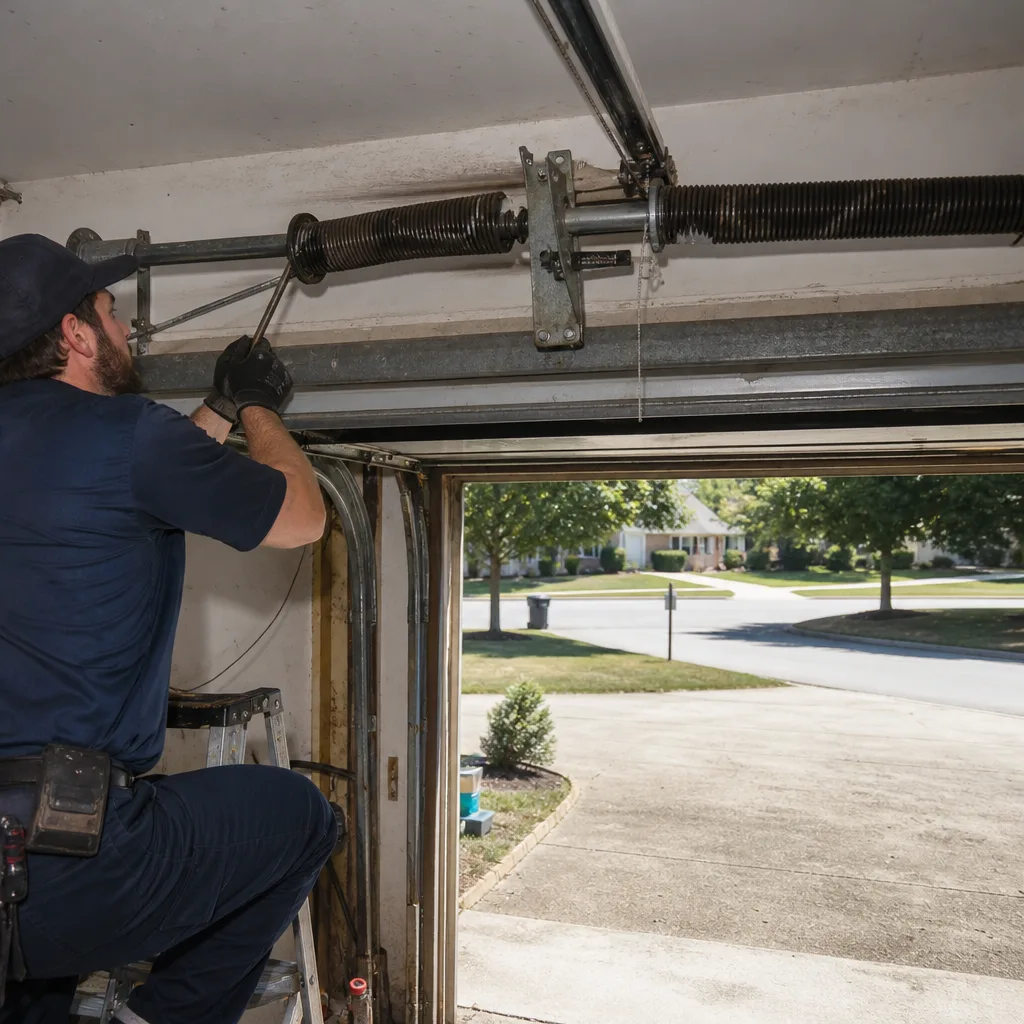 Before
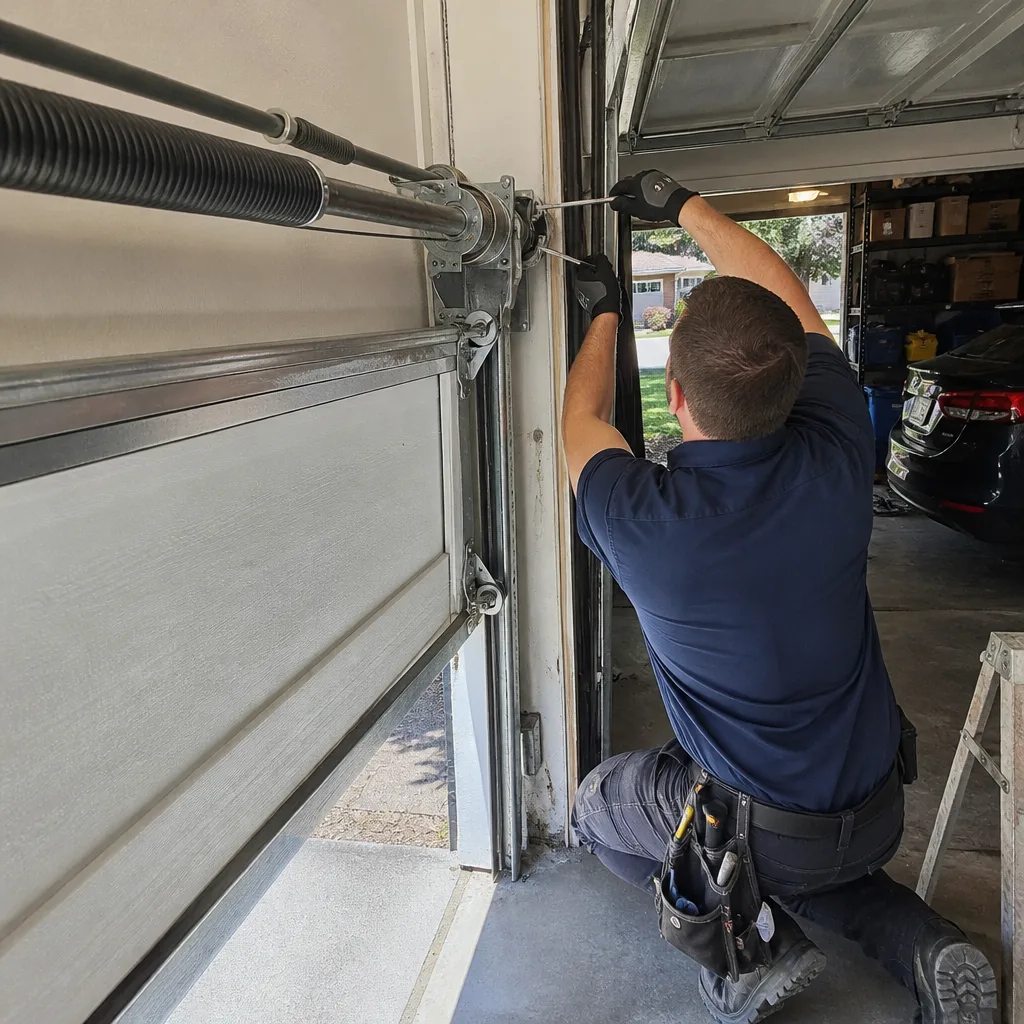 After
After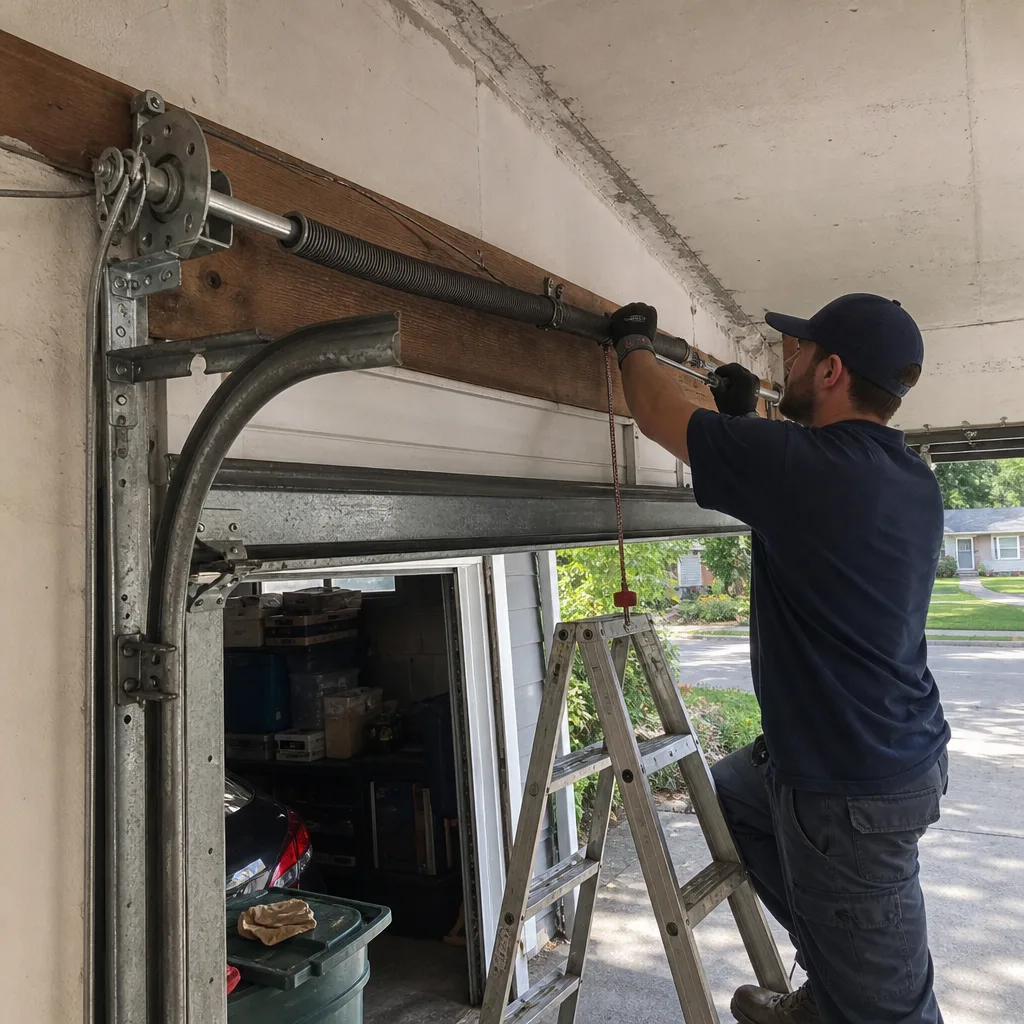 Before
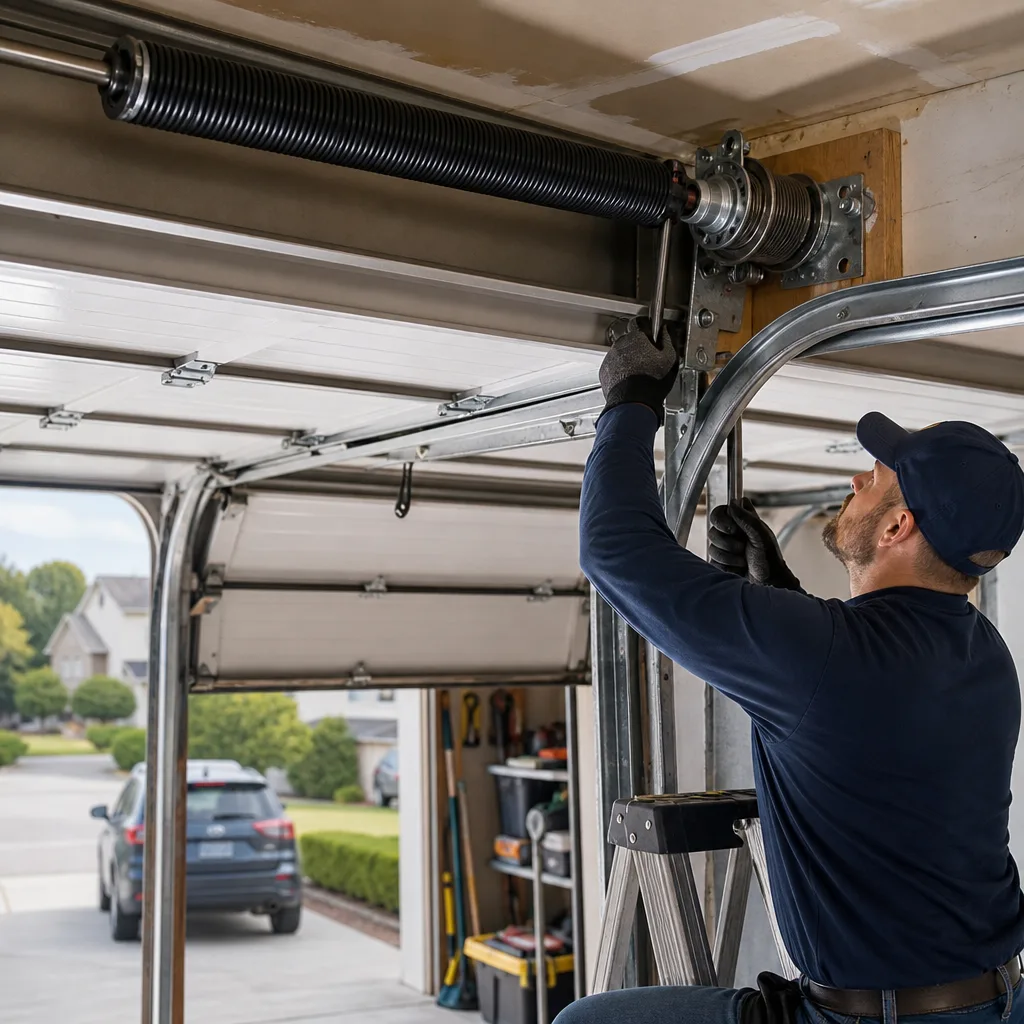 After
After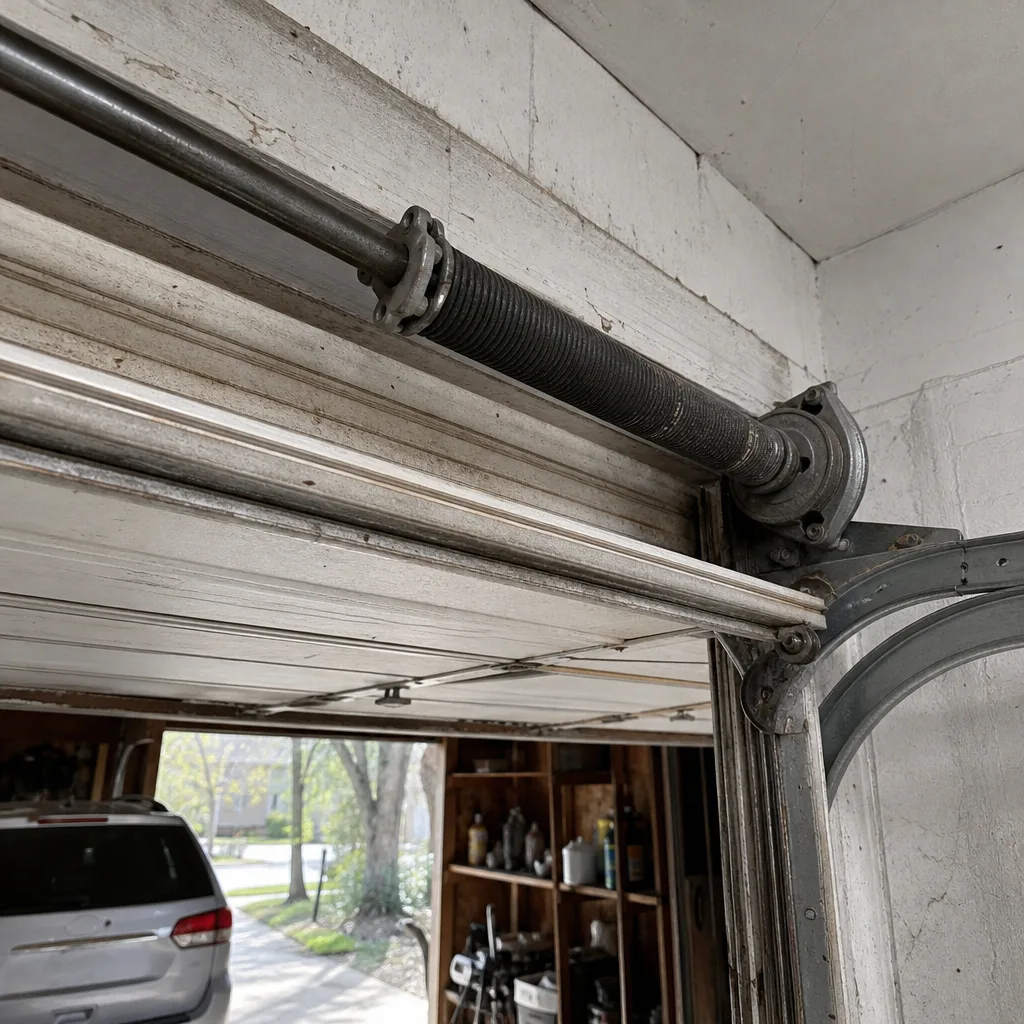 Before
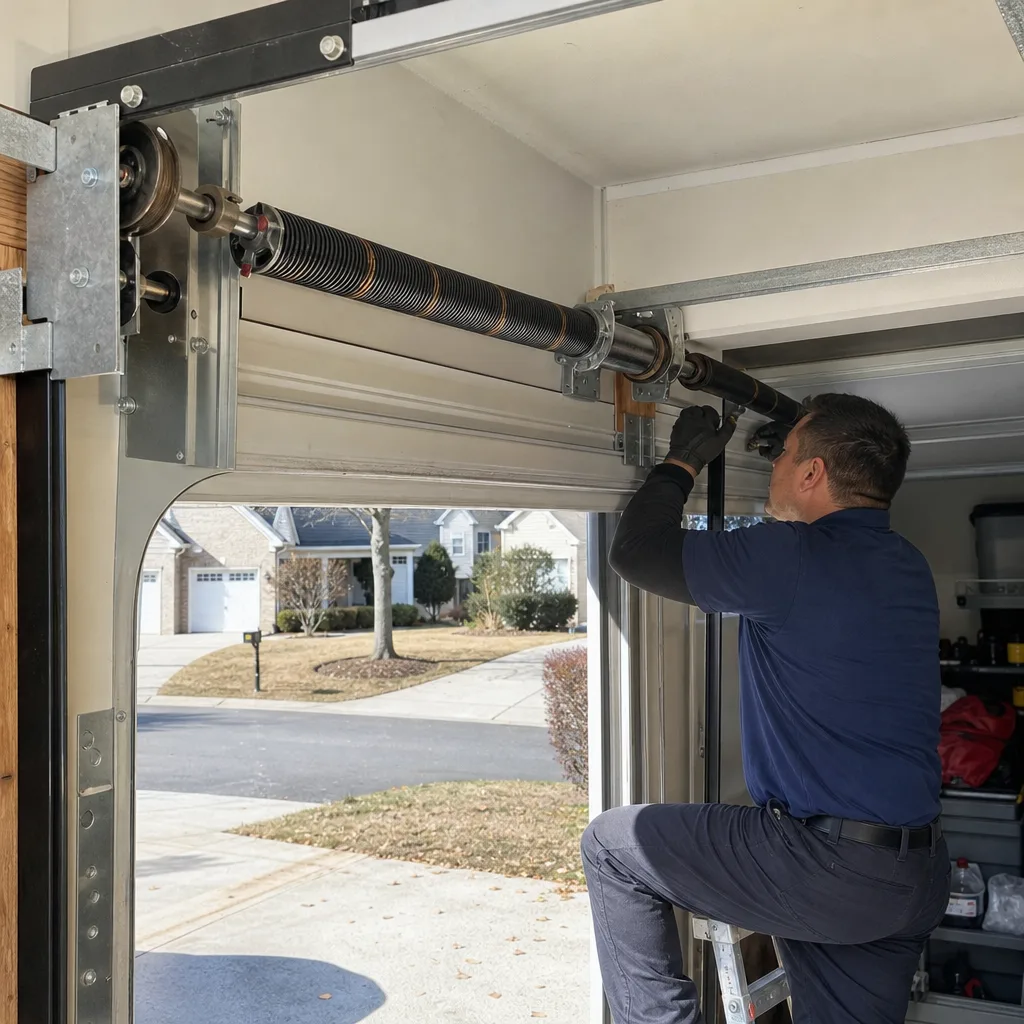 After
After