
Last updated October 16, 2026
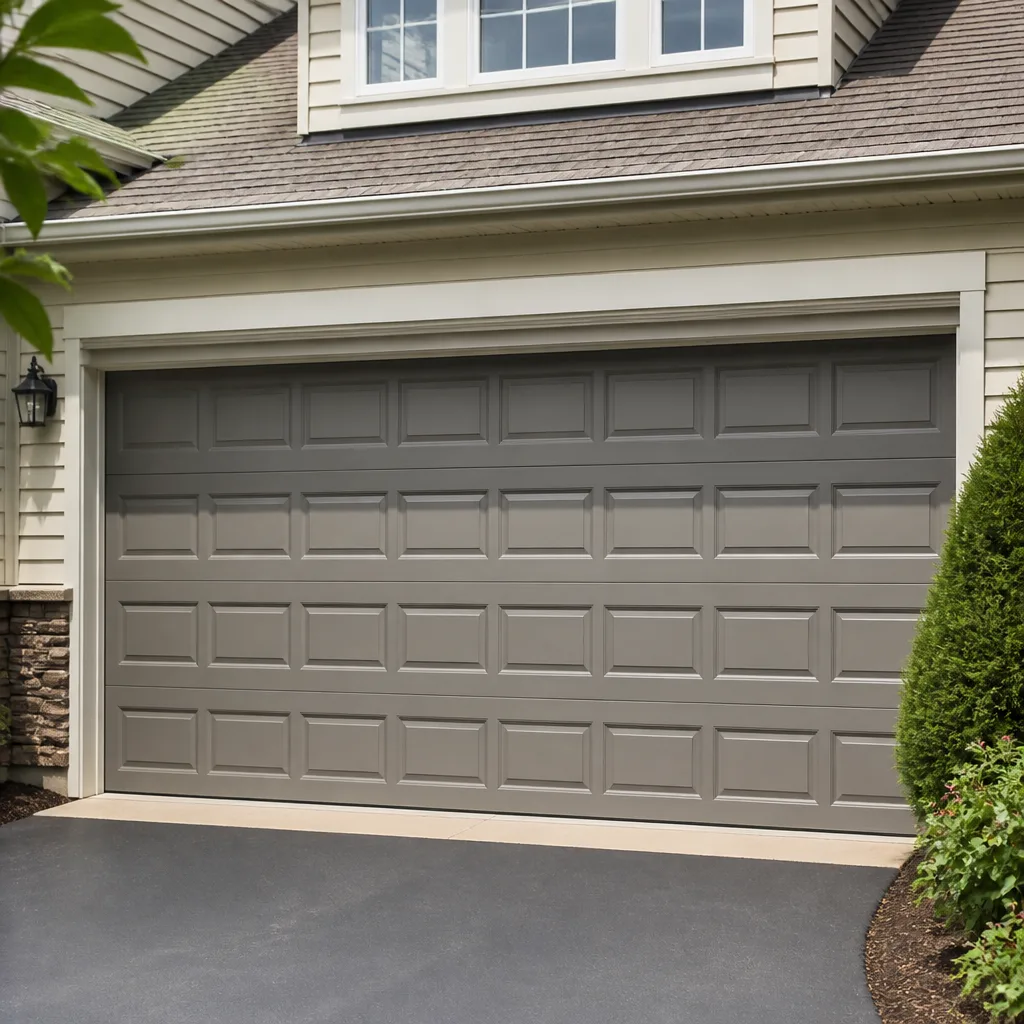 Raised-panel steel
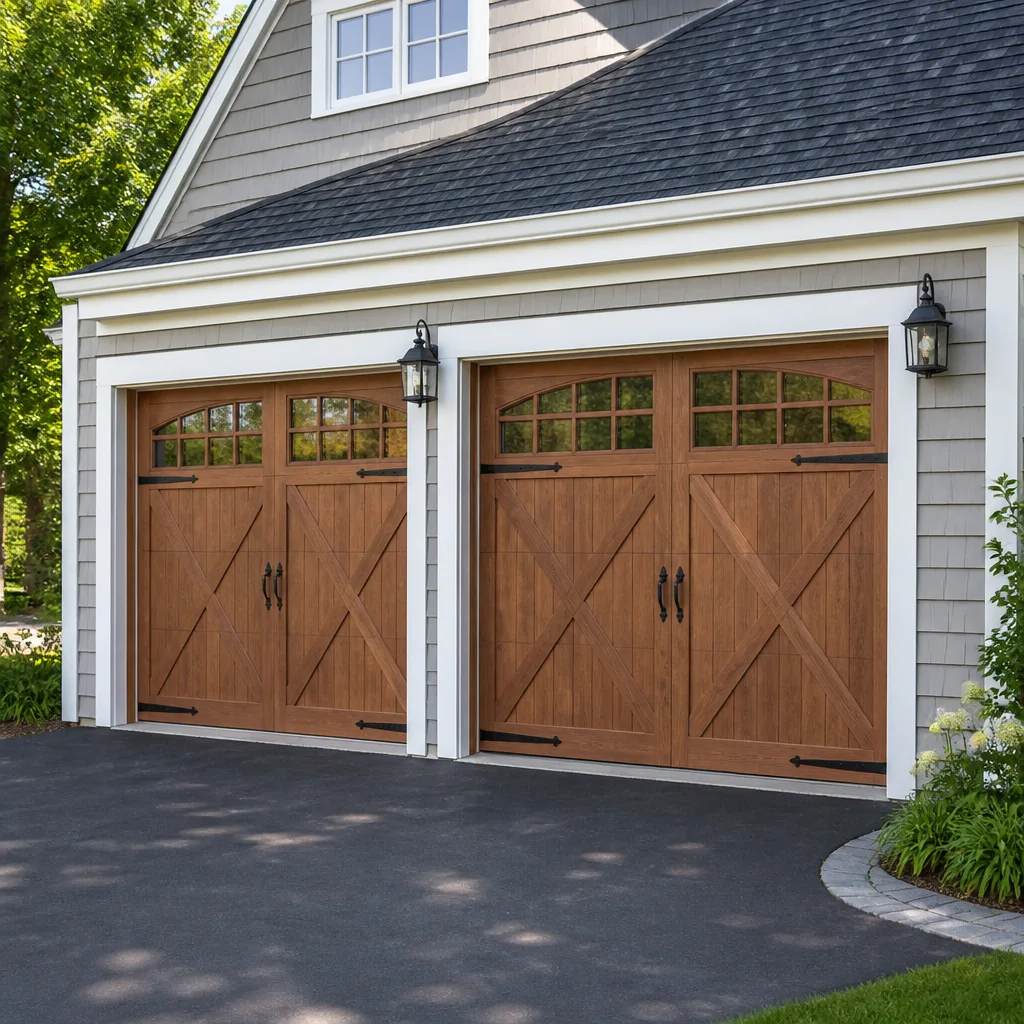 Carriage house
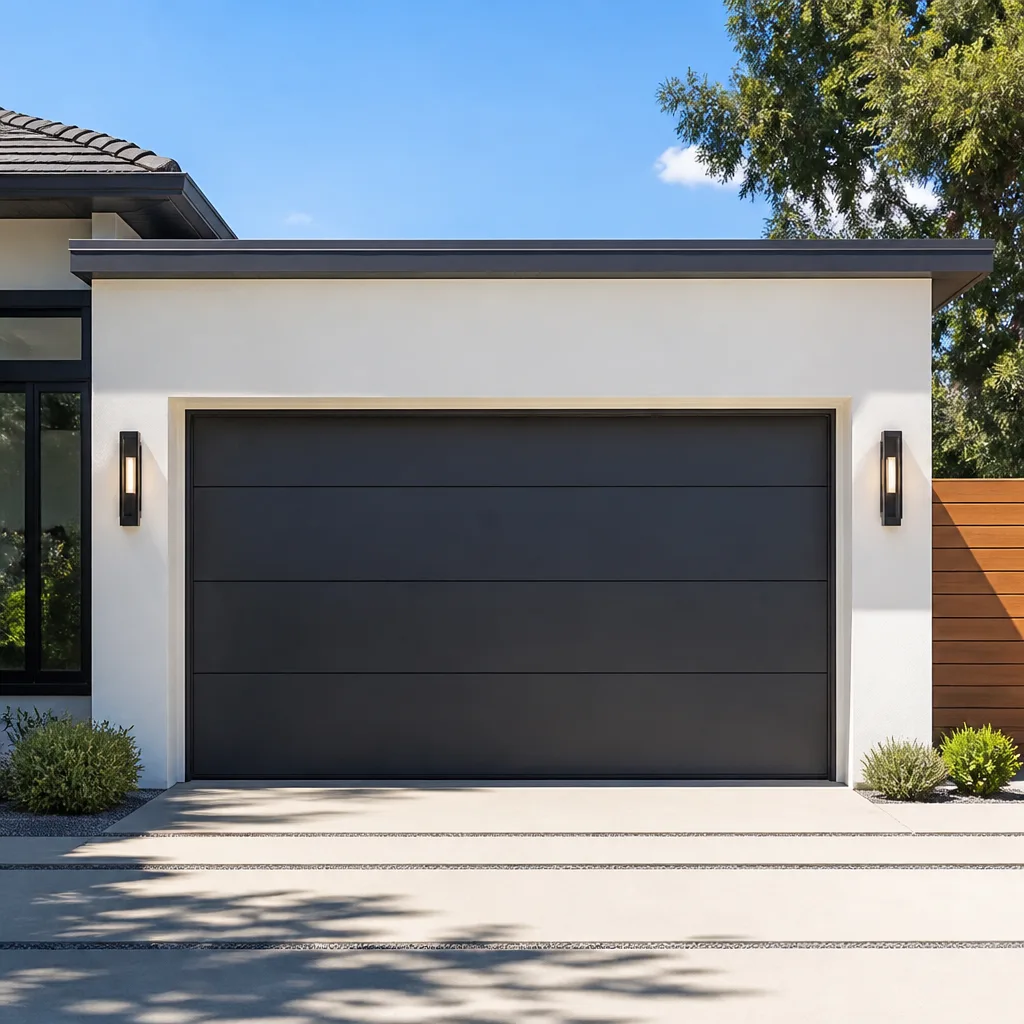 Modern flush
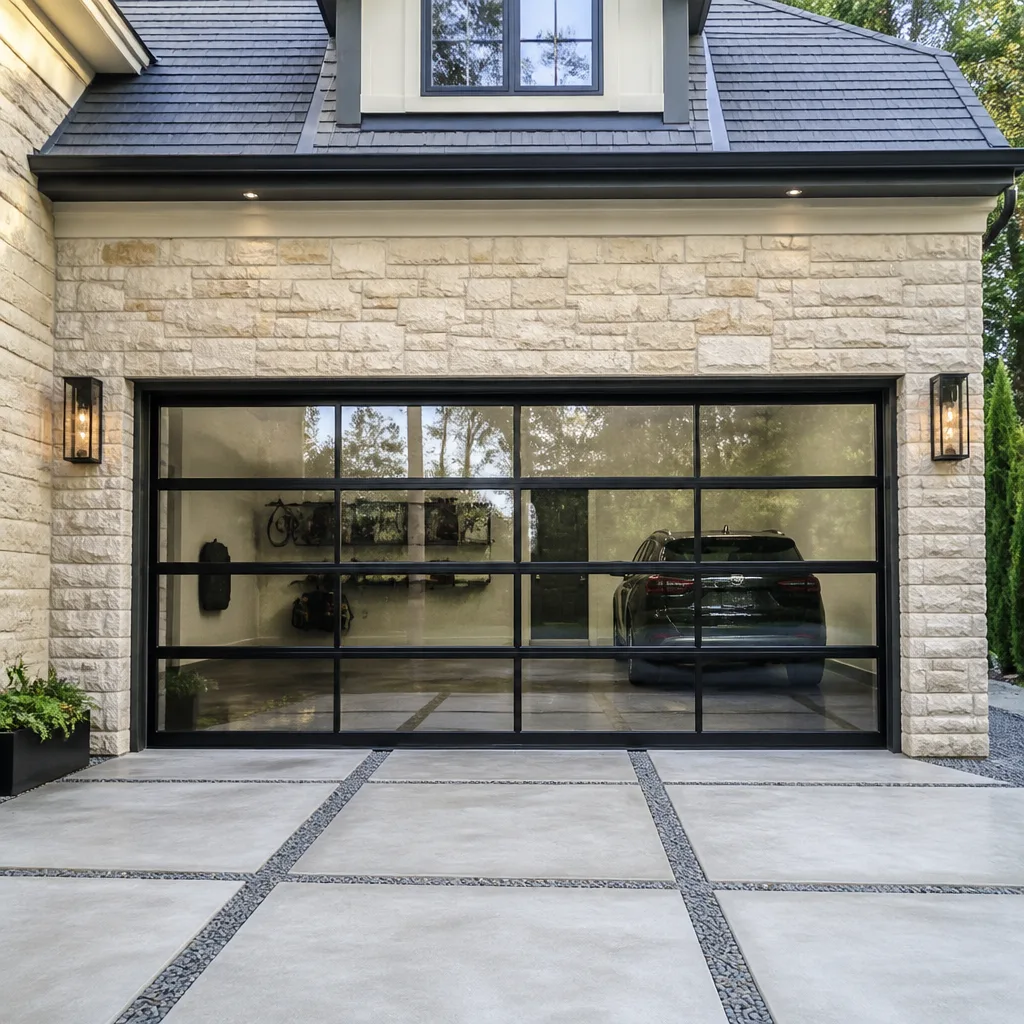 Full-view glass
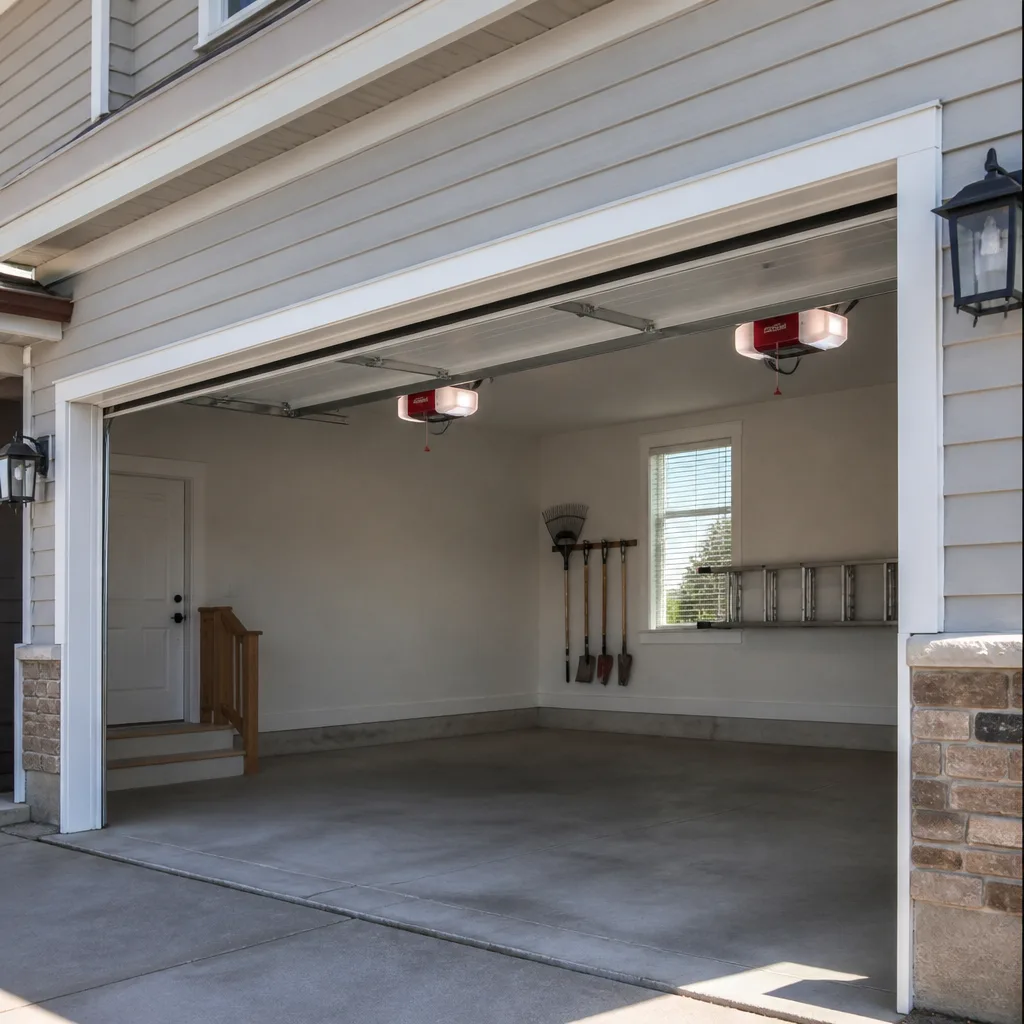 LiftMaster openers
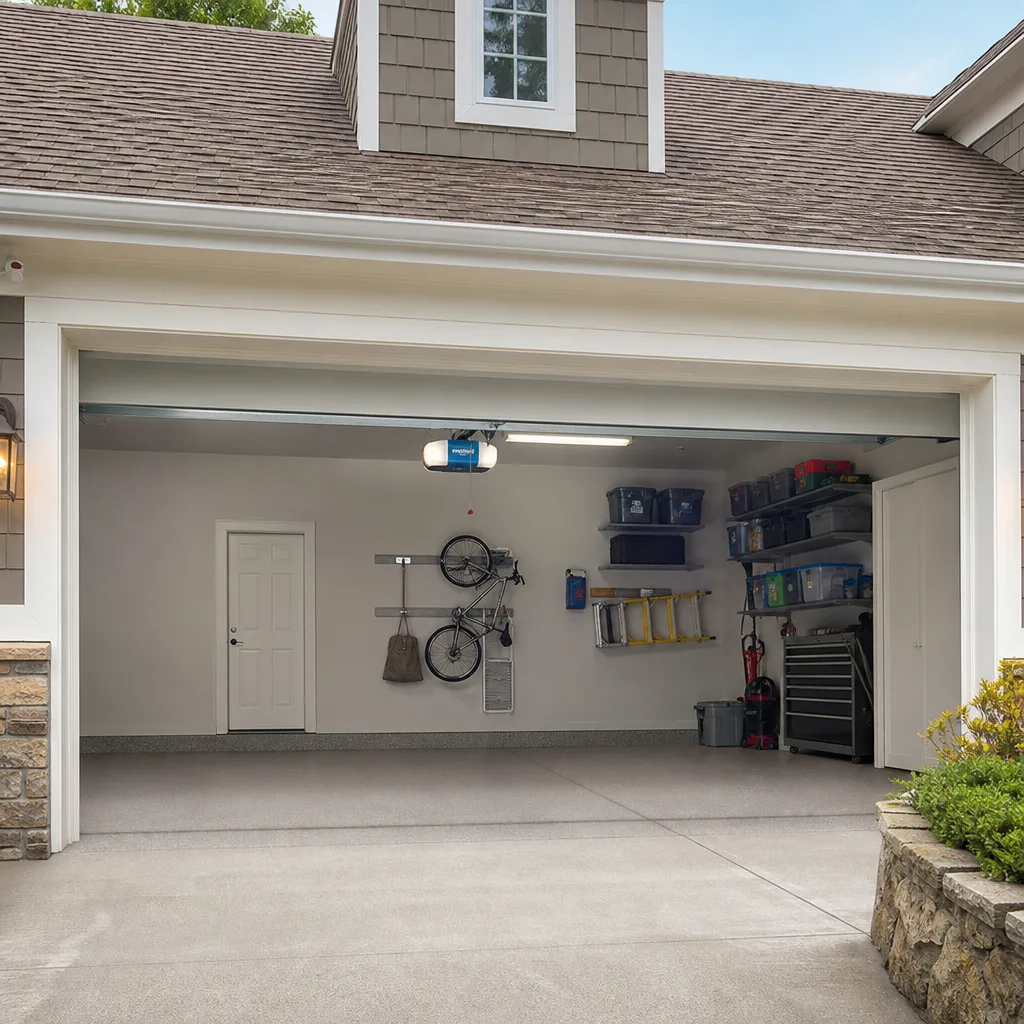 Chamberlain openers
Full 25-point door and opener safety check with every visit - springs, cables, rollers, tracks, and your LiftMaster or Chamberlain opener included
You get a price before we start. It does not change when the truck arrives.
Get your free estimateGarage Door Warning Signs: A Marietta Homeowner’s Reference Guide
A torsion spring doesn’t snap without warning. It announces its decline through six specific sounds and behaviors over the weeks before it fails, and almost no one in Marietta knows what to listen for. We’ve rebuilt doors across Cobb County for over two decades, and the pattern is always the same: the homeowner heard something strange three weeks ago, shrugged it off, and paid triple the repair cost when the door finally gave out. This guide teaches you to read those signals early, when a $180 cable replacement stops a $900 emergency call.
Styles & brands we work with
Quick Answer
The most common garage door warning signs in Marietta are grinding or squealing during operation, a door that hesitates or reverses mid-cycle, visible fraying on cables, and a door that feels unusually heavy when opened by hand. Any of these four signals means a component is actively degrading and should be inspected before it fails completely. Most warning-sign repairs in Marietta run between $150 and $290 when caught early.
Table of Contents
- The Sound Library: What Your Garage Door Is Telling You
- Visual Inspection Guide: What Failing Components Look Like
- The 30-Second Balance Test
- Smart Opener Warning Signs: App Alerts and Error Codes
- Severity Triage: Fix This Weekend vs. Stop Using the Door Now
- Marietta-Specific Factors That Accelerate Wear
- What Warning-Sign Repairs Cost in Marietta
- Common Mistakes to Avoid
- When to Call a Professional
- Frequently Asked Questions
- The Bottom Line
This guide is written for Marietta homeowners, but the principles apply to any garage door in the metro Atlanta area. If you’re looking for broader coverage, start with our Garage Door Repair in Marietta page.
The Sound Library: What Your Garage Door Is Telling You
Every garage door makes some noise. The specific character of that noise tells you exactly which component is failing, and the distinction matters because the repairs carry very different price tags and levels of urgency.
Grinding (Metal-on-Metal)
A grinding sound, like rocks in a blender, almost always points to worn rollers or a failing opener gear. When the rollers on your door lose their bearings, the metal wheel no longer glides smoothly along the track. Instead, it drags and shudders, and that vibration translates into the grinding you hear. The fix is usually straightforward: replacing all rollers runs $90 to $160 for a standard double door in Marietta, and it’s a repair we complete in well under an hour in most cases.
But grinding can also come from the opener itself. LiftMaster and Chamberlain openers built before 2015 used a plastic drive gear that strips over time. When it starts to go, the motor runs but the chain or belt moves in jerks, producing a distinct grinding whine. That’s a $180 to $260 opener repair, and catching it before the gear fully strips prevents the motor from burning out entirely.
Squealing (High-Pitched, Persistent)
Squealing means friction, and friction on a garage door system usually traces back to dry hinges, dry rollers, or a torsion spring that is binding against its mounting bracket. In our experience with Marietta’s hot, humid summers, hinges and rollers dry out faster than homeowners expect. The moisture in the air accelerates rust, and the heat bakes out whatever lubricant was there. A squealing door that quiets down after lubrication is a maintenance issue. A squeal that persists after lubrication is mechanical wear, and that means the roller or hinge needs replacement, not another spray of WD-40.
Popping (Sharp, Rhythmic)
A popping sound during operation, especially when the door passes through a specific point in its travel, typically indicates a section hinge or strut that is binding. Sometimes it’s a roller catching on a rusted or misaligned section of track. Other times, a dent or slight bend in one panel is shifting the door’s weight unevenly, and the pop is the sound of the panel joint flexing. Popping should be checked within a few weeks. Left unaddressed, the binding force will eventually bend the track or crack a panel, and panel replacement is a $300 to $600 job versus a $120 hinge repair now.
Hesitation and Reversal
When the door pauses for a beat after you press the button, then lurches into motion, the opener is struggling against resistance. On a properly balanced door, the opener only has to supply enough force to guide the door, not lift it. Resistance that wasn’t there before usually means a weakening spring or a misaligned track. If the door reverses on its own after touching the floor, the opener’s force sensors may be tripping because the door is genuinely too heavy to close safely. That’s a spring system problem, not a sensor problem.
We’ve noticed that homeowners in neighborhoods like East Cobb and Sandy Springs tend to call about hesitation sooner than others, possibly because their doors are larger and the change in behavior is more obvious. If you’re hearing any of these sounds, our Garage Door Spring Repair in Marietta page explains what a failing spring does specifically.
Visual Inspection Guide: What Failing Components Look Like
You don’t need a ladder or a mechanic’s background to spot most garage door problems. Once a month, while the door is closed, take 60 seconds and look at the following components. We’ll walk through each one and describe what healthy looks like versus what a problem looks like.
Frayed Cables
The cables are the two braided steel wires that run vertically along the sides of the door, connecting the bottom brackets to the spring system. Healthy cables are smooth and tightly wound, with no visible gaps between strands. If you see loose strands poking out, the cable is fraying and will snap. A snapped cable under tension can whip across the garage with enough force to seriously injure anyone standing nearby.
We do not recommend replacing cables yourself. This is one of the genuinely dangerous parts of a garage door system. When a cable snaps under tension, the stored energy in the spring releases all at once. A state-licensed, trained technician knows how to neutralize that tension safely. Our Garage Door Cable Repair in Marietta page covers what cable replacement involves and what it costs.
Worn or Chipped Rollers
Rollers are the small wheels attached to the sides of your door that ride inside the vertical and horizontal tracks. A healthy roller is round, with no flat spots, and rotates freely when the door moves. If you see chips in the wheel, rust around the axle, or the wheel wobbling rather than rolling smoothly, that roller is near the end of its life. Nylon rollers typically last 10 to 12 years in Marietta’s climate. Steel rollers can rust and seize sooner. When a roller fails completely, the door can jump the track, which turns a $15 part into a $400 track realignment.
Bent or Misaligned Tracks
Stand directly in front of the door, at eye level with the vertical track on either side. The track should form a continuous, smooth curve from vertical to horizontal. A bend or kink, even a subtle one, creates resistance every time the door passes that point. Check for gaps between the track and the wall, especially around the bolt points. A track that is pulling away from the wall means the bolts are loosening under repeated force, and the track can flex enough to let the door slip out.
Cracked or Brittle Weather Seals
The rubber strip at the bottom of your door, called the bottom seal or weather seal, keeps water, leaves, dust, and pests out of the garage. In Marietta, where summer thunderstorms roll through almost weekly, a cracked seal means the garage floor gets wet and susceptible to mold. The seal is the easiest and cheapest replacement on the door: typically $60 to $90 installed. It’s also the component most homeowners ignore until a water stain appears on the drywall.
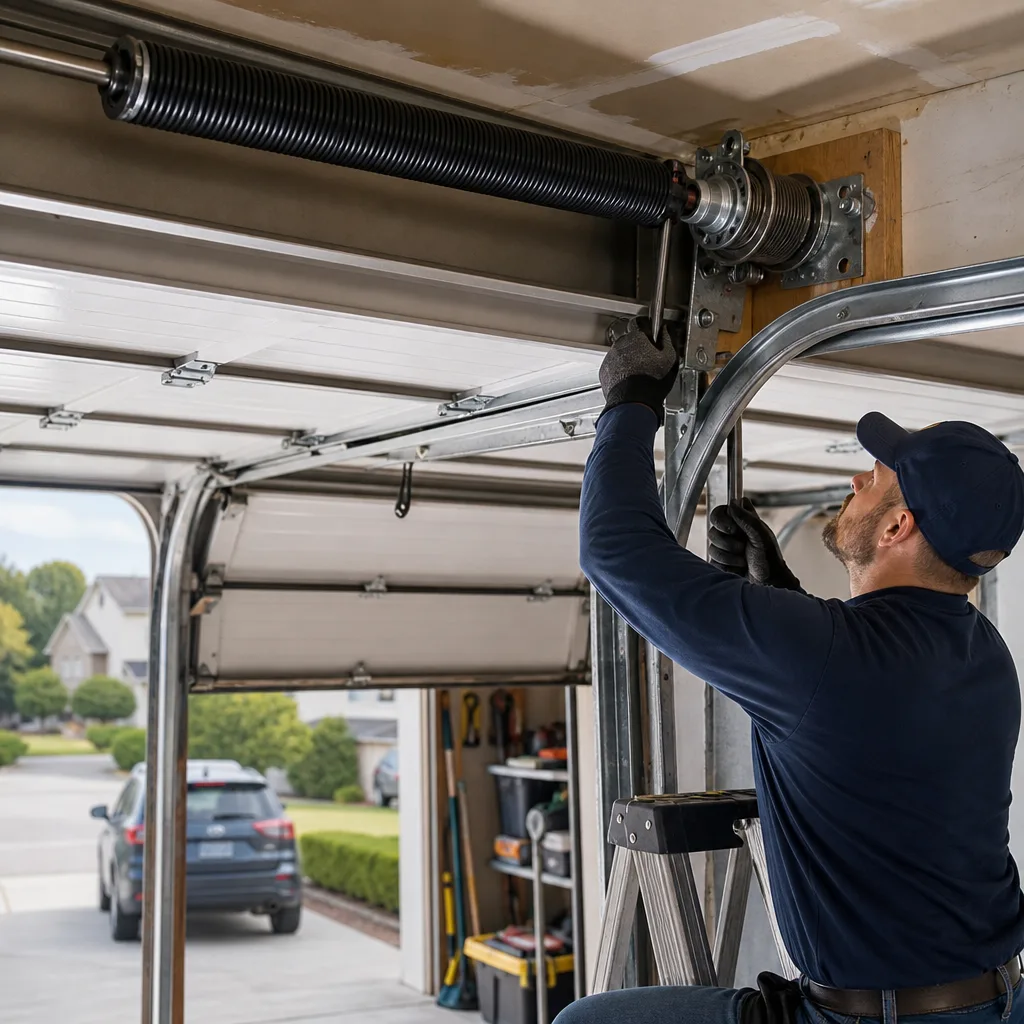
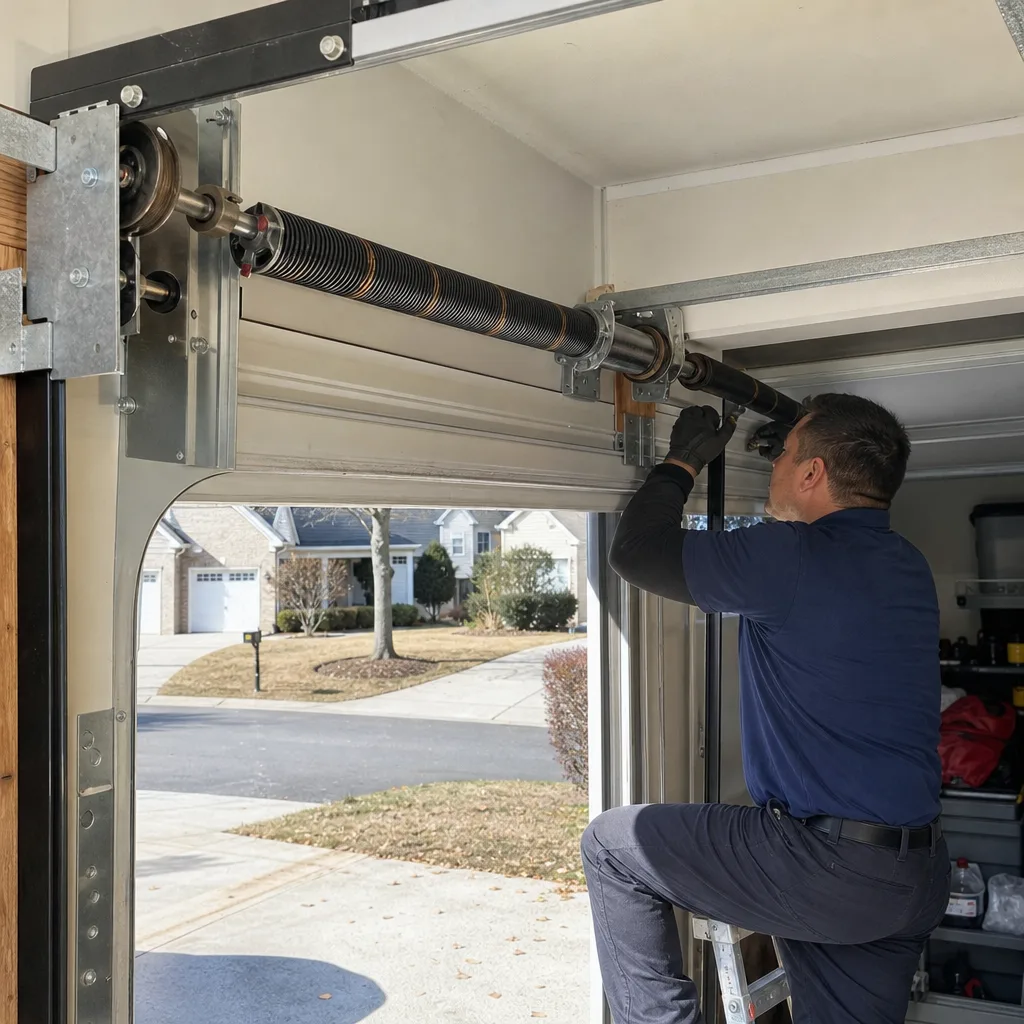
Torsion Spring Gaps
The torsion spring is the horizontal coil above the door, running along a metal shaft. Take a look at it with the door closed. The spring should appear as one continuous, tightly wound coil. If you see a gap in the coil, about the width of a pencil, the spring has snapped. That gap is where the two broken halves separated. Do not attempt to touch or adjust anything near that spring. The pieces are still under partial tension and can shift unpredictably. This is a professional repair, no exceptions.
The 30-Second Balance Test
The balance test is the single most reliable way to know whether your spring system is nearing the end of its life, and it takes half a minute with no tools.
- Close the garage door completely.
- Pull the red emergency release cord hanging from the opener trolley. This disconnects the door from the opener so you’re working with the door’s raw weight.
- Lift the door by its handle until it is about waist high, then let go.
- Watch what happens next.
If the door stays in place, the springs are doing their job. A balanced door will hold its position, or drift very slowly, because the springs are counteracting the door’s weight exactly. Your system is healthy.
If the door drops, the springs are weakening. A door that falls from waist height has lost enough spring tension that the opener is now working overtime to lift it. That strain shortens the opener’s motor life and increases the chance of a sudden spring failure.
If the door shoots upward, the springs are improperly tensioned. Too much tension is just as dangerous as too little, because it accelerates every component: rollers wear faster, hinges loosen, and the door slams into the header at the top of its travel.
We recommend running the balance test twice a year. The best times in Marietta are early spring and early fall, because the seasonal temperature and humidity swings shift how the metal components perform, and problems that are invisible in April become obvious in October. If your door fails the test, call us at (912) 575-7540 and we’ll send a technician out. We’ll give you a written price before any work starts, and the quote is locked before we touch a single bolt.
Smart Opener Warning Signs: App Alerts and Error Codes
Modern smart garage door openers from LiftMaster and Chamberlain send signals through their companion apps long before a mechanical failure stops the door from opening at all. Homeowners often dismiss these alerts as nuisance notifications, but they’re early warning systems dressed up as app badges.
Frequent “Interruption” Alerts
If your MyQ or Chamberlain app is sending interruption notifications multiple times per week, the opener’s safety sensors are tripping mid-cycle. Sometimes this is a sensor alignment issue, which is a quick fix. More often, it’s the opener sensing excessive force and reversing as a safety measure. The force is excessive because the door is binding or the springs are failing, and the opener is telling you that every time it reverses.
Error Code Sequences
LiftMaster models starting around 2014 display error codes as a series of blinking lights on the opener unit itself, and newer models push those codes to the app. A recurring code related to force limits or RPM sensing means the motor is drawing more current than it should be. The cause is almost always mechanical resistance, not an electrical fault. Replacing the opener won’t solve a spring problem; the new opener will simply fail faster under the same load. Our technicians are trained on LiftMaster, Chamberlain, Genie, Clopay, Amarr, Wayne Dalton, Craftsman, and Raynor, so the person who arrives already knows what your specific model’s error codes mean.
Battery Backup Alerts
If your opener is equipped with a battery backup and the app reports a low battery or failed battery, take it seriously. The battery is there to power the door during the electrical outages that come with severe Georgia thunderstorms and the occasional winter ice event. A dead backup battery means the door becomes an immovable wall exactly when you need it open or closed the most. Replacement batteries typically run $70 to $120 depending on the opener model.
Slow App Response vs. Slow Door Response
Learn to distinguish between a laggy app and a laggy door. If the app takes three seconds to respond but the door then moves at normal speed, that’s an app or network issue. If the door itself takes a beat after you press the button, then moves with a lurch, that’s mechanical. The opener’s motor is straining against a door that’s too heavy or binding, and that strain will eventually burn the motor or snap the spring. We’ve seen this exact pattern in dozens of Marietta homes with openers that later failed within 60 days.
Severity Triage: Fix This Weekend vs. Stop Using the Door Now
Not every warning sign demands immediate action. Here’s how we categorize them, from cosmetic to critical.
Category 1: Cosmetic – Monitor and Plan
- Light surface rust on steel rollers or hinges, with no functional impact yet
- Minor paint chips or cosmetic scratches on the door panels
- Slightly worn bottom seal with no visible daylight gap at the floor
- Occasional faint creak that disappears after lubrication
These are reminders to plan ahead, not emergencies. You can schedule a maintenance visit at your convenience in the next few weeks.
Category 2: Weekend Priority – Fix Within 7 Days
- Consistent squealing or grinding that doesn’t resolve with lubrication
- Door hesitates or pauses, then resumes
- Visible fraying on one or both cables, but no broken strands poking outward yet
- Rollers with visible flat spots or wobble
- Balance test shows slight drift rather than a decisive drop
These are signs of active wear. Each passing cycle of the door adds more stress to the failing component, and the repair cost goes up as collateral damage spreads. A door that hesitates today can bend a track tomorrow.
Category 3: Stop Using the Door Now
- A snapped torsion spring – you’ll see a visible gap in the coil above the door
- A cable that has come completely off the drum or snapped
- The door dropped suddenly during operation, even if it recovered
- The door visibly tilts or hangs unevenly when opening
- A popping sound accompanied by visible track flex
If you observe any of these, stop using the door immediately. Do not operate it with the opener. Do not try to force it open by hand. Park the car on the street and call us at (912) 575-7540. A live person answers, day or night. We’ll dispatch a technician and give you a written price before anything is touched.
Marietta-Specific Factors That Accelerate Wear
Garage doors wear out faster in Marietta than in drier climates, and knowing why helps you anticipate problems before they surface.
Humidity and Metal Fatigue
Marietta averages over 50 inches of rain per year, and the summer humidity regularly sits above 70 percent. Unsealed garage interiors trap that moisture, which condenses on cooler metal surfaces overnight. That’s why steel rollers corrode faster here than in a dry climate like Phoenix or Denver. The corrosion roughens the roller surface, which increases friction, which accelerates spring fatigue. We see torsion springs fail an average of 1 to 2 years earlier in Cobb County than national averages suggest.
Red Clay Dust
The red Georgia clay that defines the landscape around Marietta isn’t just a gardening nuisance; it’s an abrasive. Clay dust works its way into the roller tracks and hinge pins, where it acts like fine sandpaper against moving metal. Homeowners near wooded lots in East Cobb and along the Roswell border notice this more, because unpaved areas and construction traffic kick up more dust. The fix is more frequent track cleaning and lubrication, which is part of a standard annual maintenance visit.
Temperature Swings
Marietta’s winter nights can drop below freezing while afternoon highs climb into the 50s. Those swings cause the metal components to expand and contract daily, which gradually loosens bracket bolts and stresses the torsion spring’s coil structure. The spring itself has a finite number of cycles; most standard springs are rated for 10,000 cycles, which translates to roughly 7 to 10 years of normal use. The temperature swings don’t dramatically change that number, but they do cause the spring to announce its failure with more audible warning in the weeks before it breaks.
For more on how spring failure works specifically in this climate, see our Garage Door Spring Repair in Marietta article.
What Warning-Sign Repairs Cost in Marietta
When we talk about “catching it early,” here’s what that actually means in dollars.
| Repair | Typical Cost in Marietta | If Ignored Until Failure |
|---|---|---|
| Roller replacement (all rollers) | $90 – $160 | $350 – $500 (track realignment + roller replacement) |
| Hinge replacement | $100 – $140 | $300 – $600 (cracked panel replacement) |
| Cable replacement | $180 – $260 | $500 – $900 (emergency call, possible door damage, spring damage) |
| Bottom seal replacement | $60 – $90 | $150 – $400 (water damage to garage floor/drywall) |
| Spring replacement (both springs) | $150 – $290 | $300 – $500 (emergency rate + potential opener damage) |
| Track realignment | $125 – $200 | $400 – $800 (door off track, panel damage) |
Every one of these prices is quoted in writing before any work begins, and the number on the invoice matches the number you agreed to. That’s how we operate at Marlow Garage Door Repair Marietta home, and it’s been our standard since 2002. No surprises, no “while we’re in there” adjustments, no pressure. If you want an exact number for your specific door, call (912) 575-7540 and we’ll give you a free estimate.
Common Mistakes to Avoid
- Lubricating without cleaning first. Spraying lubricant over dust and grime just creates a paste that accelerates wear. The track should be wiped clean before anything is applied. Our technicians bring the right cleaning agents and lubricants specifically matched to your door’s roller and track material.
- Ignoring the balance test because the door “works fine.” A door that opens and closes can still be dangerously unbalanced, and the opener is hiding how much work it’s doing. The balance test takes 30 seconds and reveals what the opener is masking.
- Replacing the opener before checking the springs. If a new opener is installed on a door with failing springs, the new motor inherits the same overload condition that killed the old one. The opener is almost never the root cause of a suddenly heavy door; the springs are.
- Attempting DIY torsion spring or cable repair. These components are under hundreds of pounds of tension. The wrong move can cause serious injury. In our two decades in Marietta, we’ve been called to several garages where a homeowner’s DIY attempt created a much larger repair bill than the original problem would have cost.
- Waiting for the door to stop working before calling. By the time the door fails completely, the failure has usually caused secondary damage. A snapped cable often wraps around the drum and bends the shaft. A snapped spring can dents the panel. What started as a $180 repair becomes a $700 emergency.
- Choosing the cheapest repair without asking what’s included. Lowball quotes often exclude necessary parts like new rollers or fresh hinge hardware, and the final bill arrives with additions the homeowner didn’t approve. Our written price is the full price, stated before work starts and locked until it’s done.
When to Call a Professional
Call a trained garage door technician if you observe any Category 2 or Category 3 warning signs from the triage section above. Specifically: visible cable fraying, a door that fails the balance test, persistent grinding or squealing after lubrication, a snapped spring, or any sudden change in door behavior during operation. These conditions are rarely DIY-friendly and often involve components under dangerous tension. Garage Door Repair in Marietta from our team comes with free estimates, and the inspection itself is part of the service. Call (912) 575-7540 and a live person will answer, 24 hours a day.
Frequently Asked Questions
A spring about to break will announce itself through a door that feels heavier when lifted manually, visible gaps or separation in the coil, and a popping or creaking sound that occurs at the same point in the door’s travel every time. If your door fails the 30-second balance test, the spring is near the end of its life even if it hasn’t snapped yet. Call (912) 575-7540 for a free spring inspection in Marietta.
Most no-open repairs in Marietta range from $150 to $500 depending on the cause. A snapped spring replacement runs $150 to $290 for both springs, a failed opener gear runs $180 to $260, and a snapped cable replacement runs $180 to $260. The exact price is always quoted in writing before work starts. Call (912) 575-7540 for a precise quote on your door.
A loud bang or pop when the door starts moving usually means a roller is catching on a rusted or misaligned section of track, while a continuous grinding sound points to worn rollers or a failing opener gear. Both conditions worsen with each use and should be inspected. Call (912) 575-7540 and we’ll diagnose the noise over the phone, then send a tech if needed.
We strongly discourage it. Garage door cables are under hundreds of pounds of tension from the spring system, and a mistake during removal can cause the cable to whip free with enough force to cause serious injury. This is one repair where the professional service cost is a bargain compared to the risk. Our Garage Door Cable Repair in Marietta service is completed safely and backed by our 365-Day Done Right Promise.
Once a year is the right cadence for Marietta’s climate, with a balance test twice a year at home. The humidity and red clay dust in Cobb County accelerate roller and track wear compared to drier regions, so an annual professional tune-up catches what your monthly visual checks might miss.
Every repair we complete at Marlow Garage Door Repair Marietta is covered by a written 365-Day Done Right Promise. If the repair fails within one year, we return and fix it at no charge. It’s a stated guarantee in writing, not a verbal promise, and it applies to every job we do in Marietta.
The Bottom Line
Your garage door talks before it fails. The grinding, squealing, popping, and hesitation are not random noises; they’re diagnostic signals pointing to a specific component that is wearing out. In Marietta, where humidity and red clay accelerate that wear, monthly visual checks, twice-yearly balance tests, and a professional annual inspection will catch most failures in the $100 to $290 range instead of the $500 to $900 emergency range. When you notice a warning sign, act on it within a week. And when you call us, you’ll get a written price before any work starts, a live person on the phone, and a full year of coverage written into our guarantee.
Written by Jaylen Ross, Owner at Marlow Garage Door Repair Marietta, serving Marietta since 2002.
See the difference
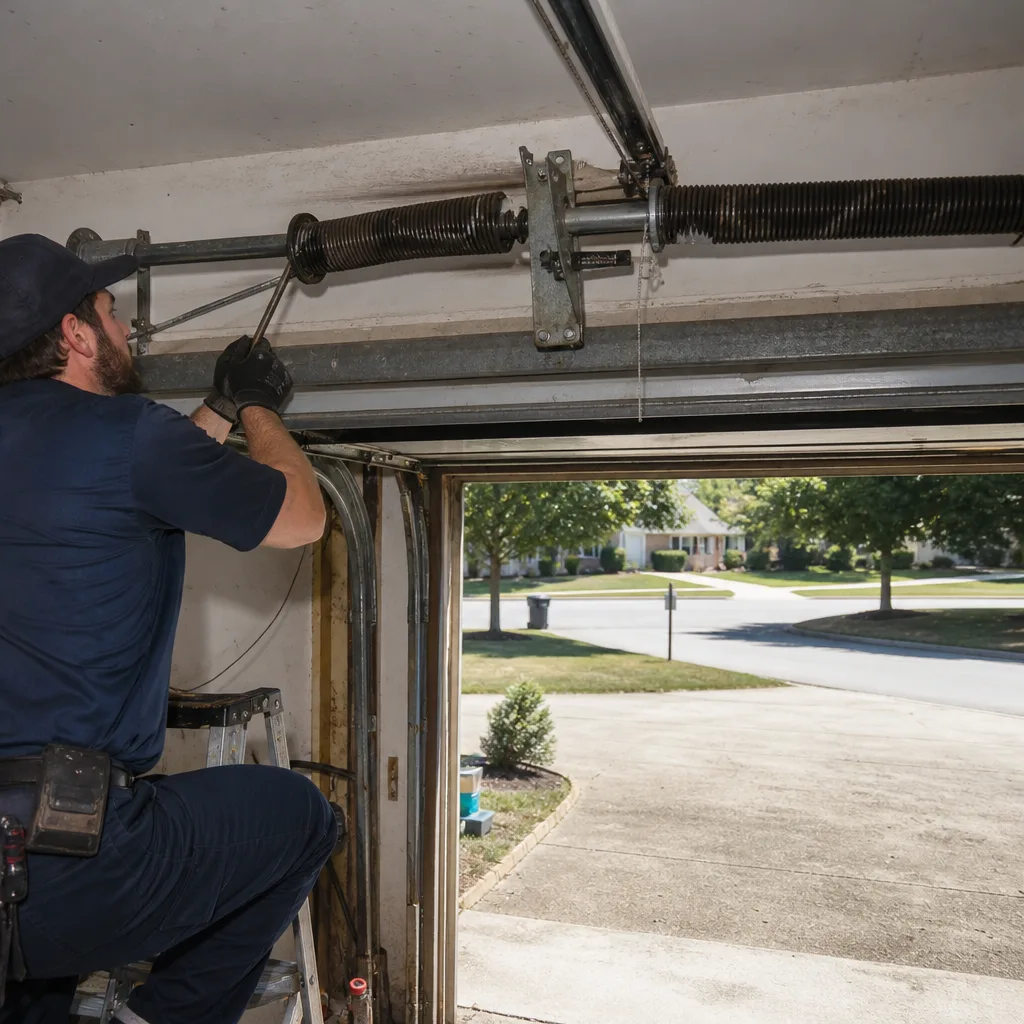 Before
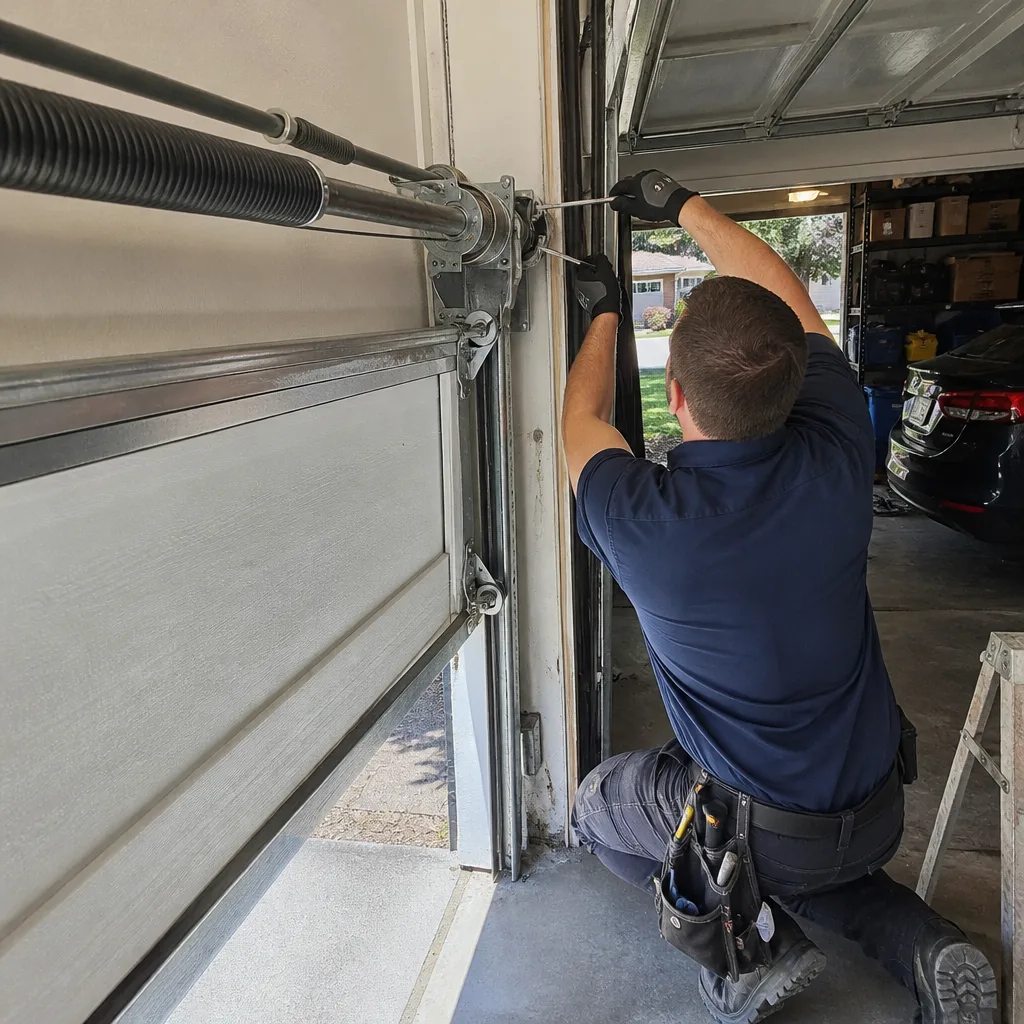 After
After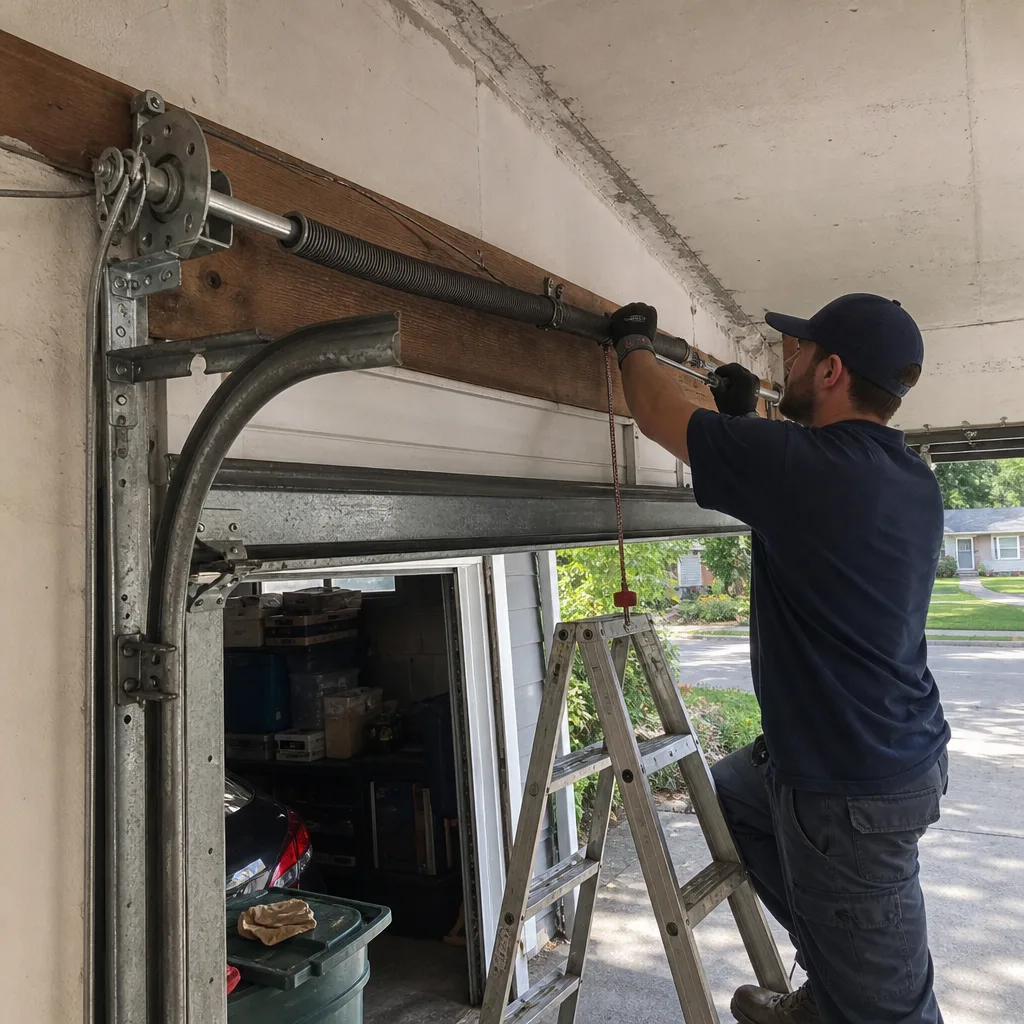 Before
 After
After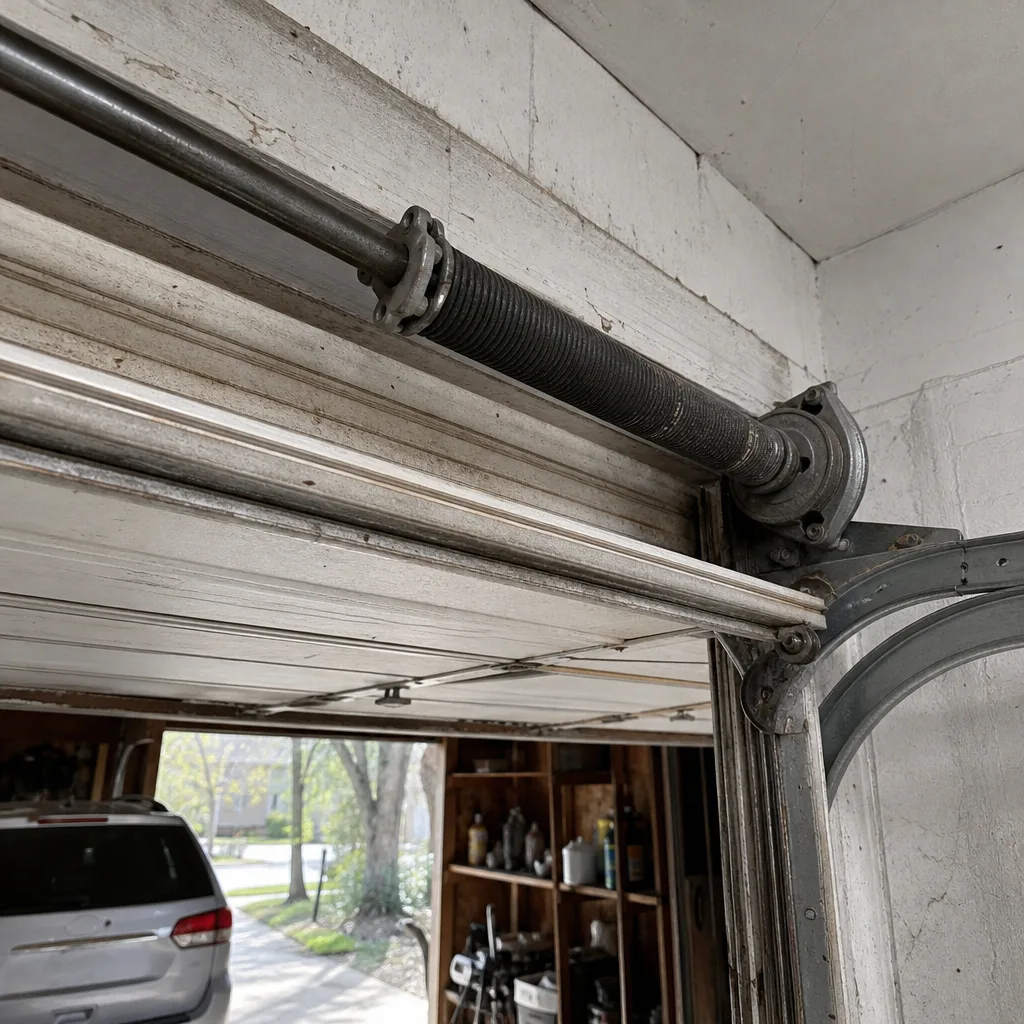 Before
 After
After