
Last updated October 16, 2026
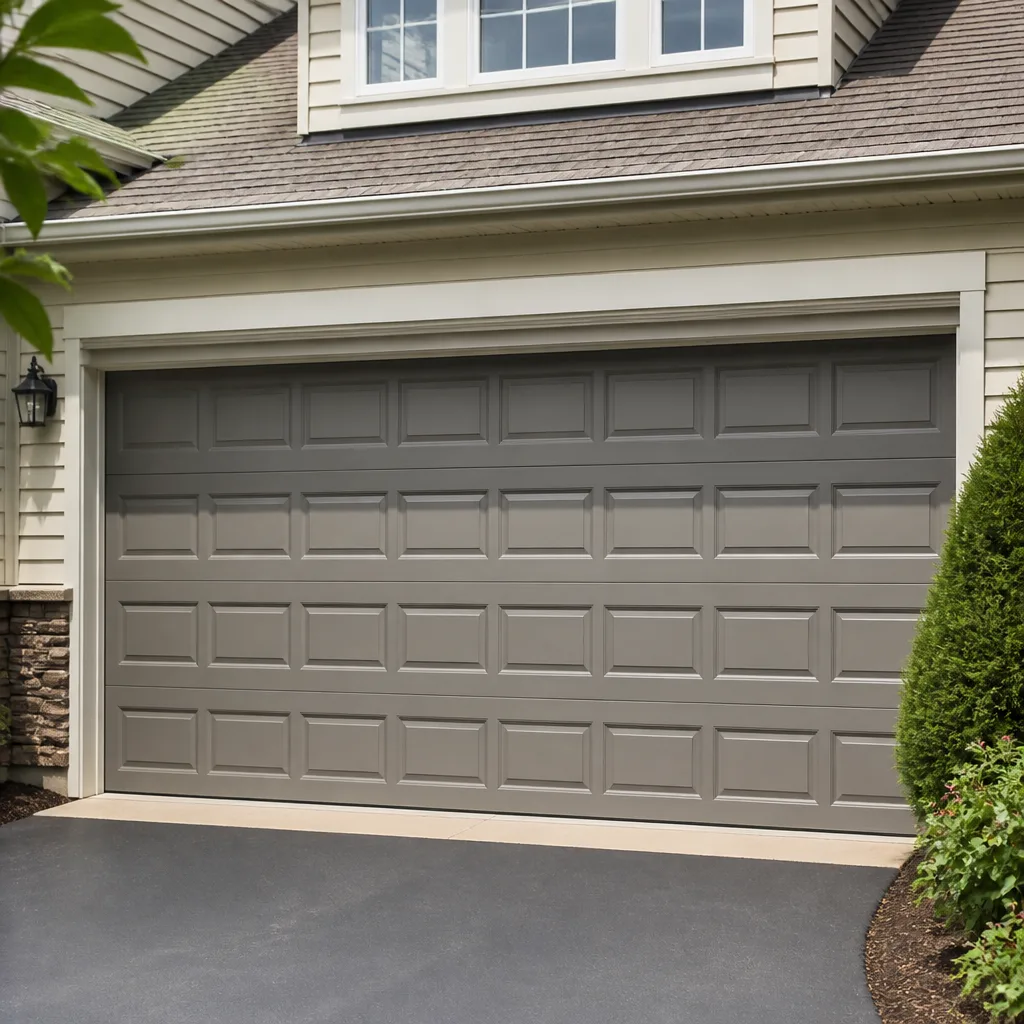 Raised-panel steel
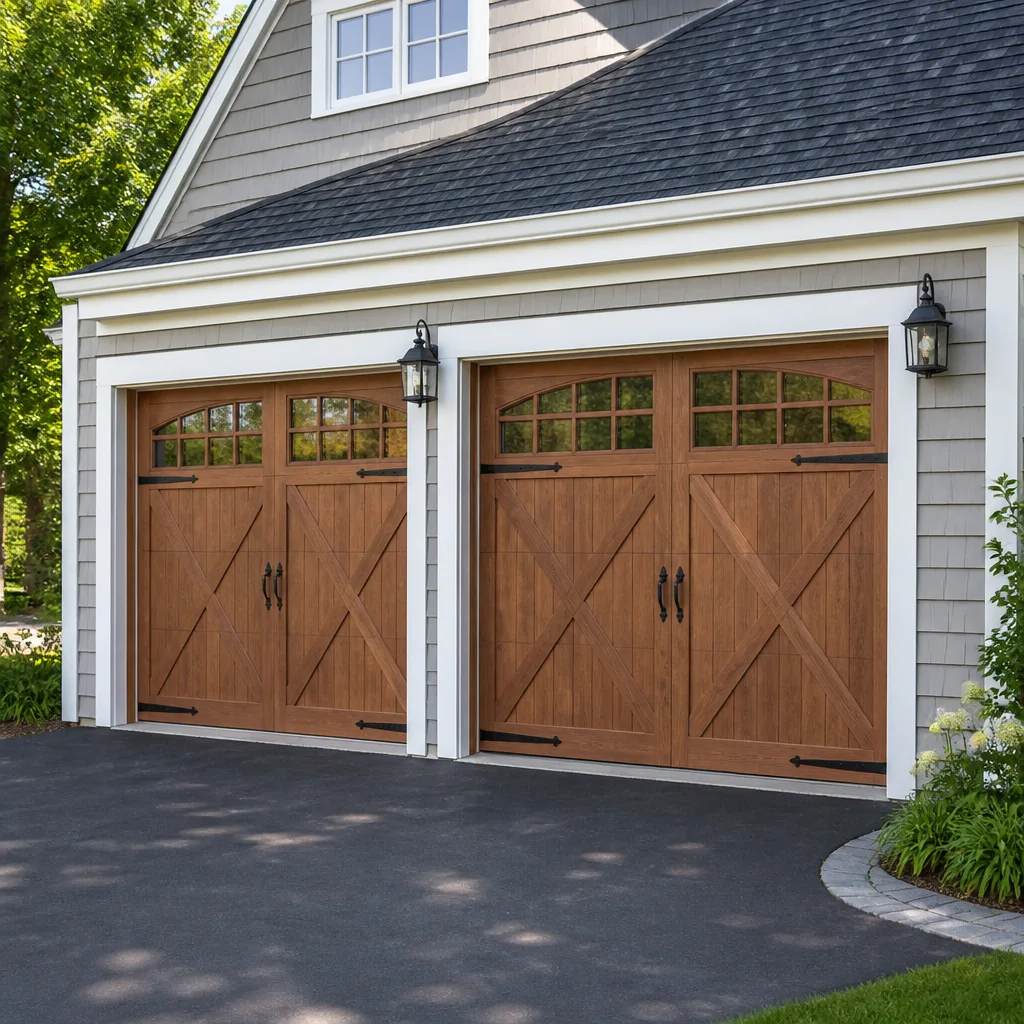 Carriage house
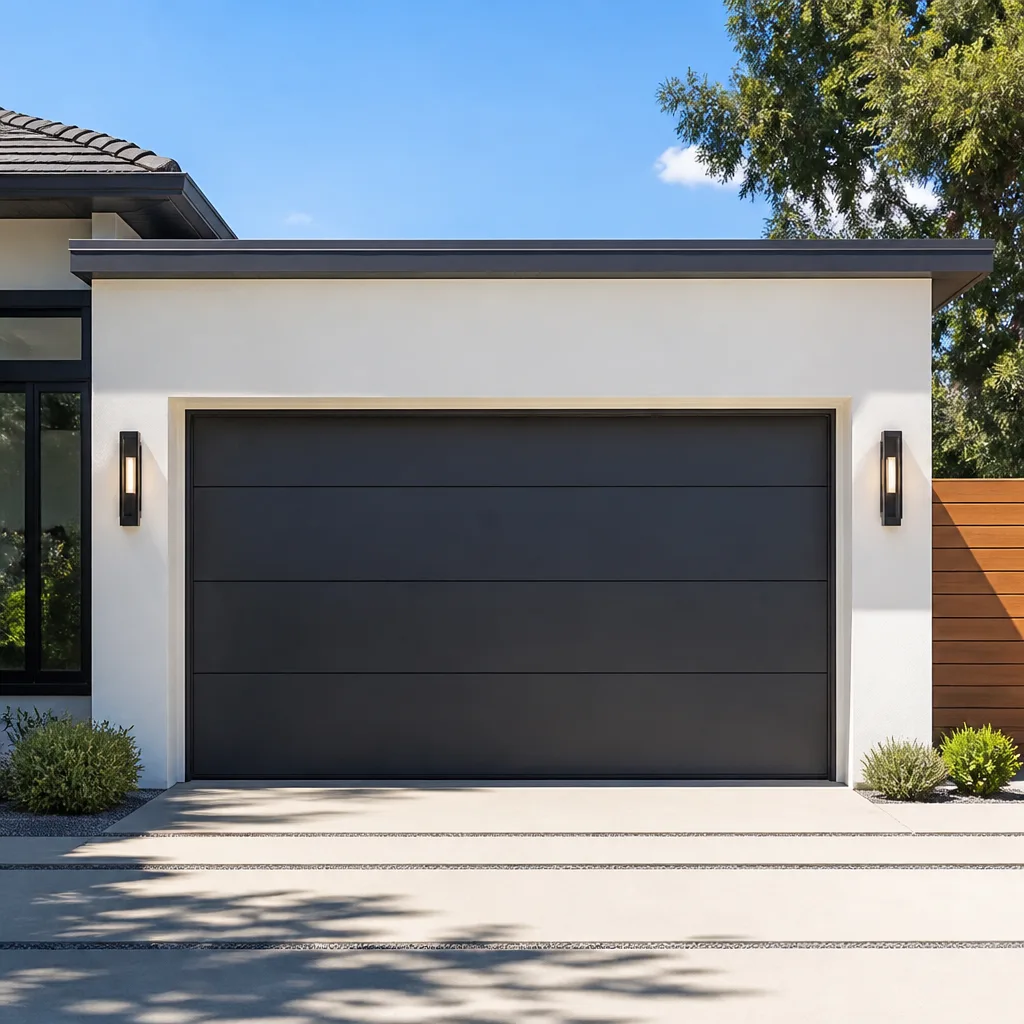 Modern flush
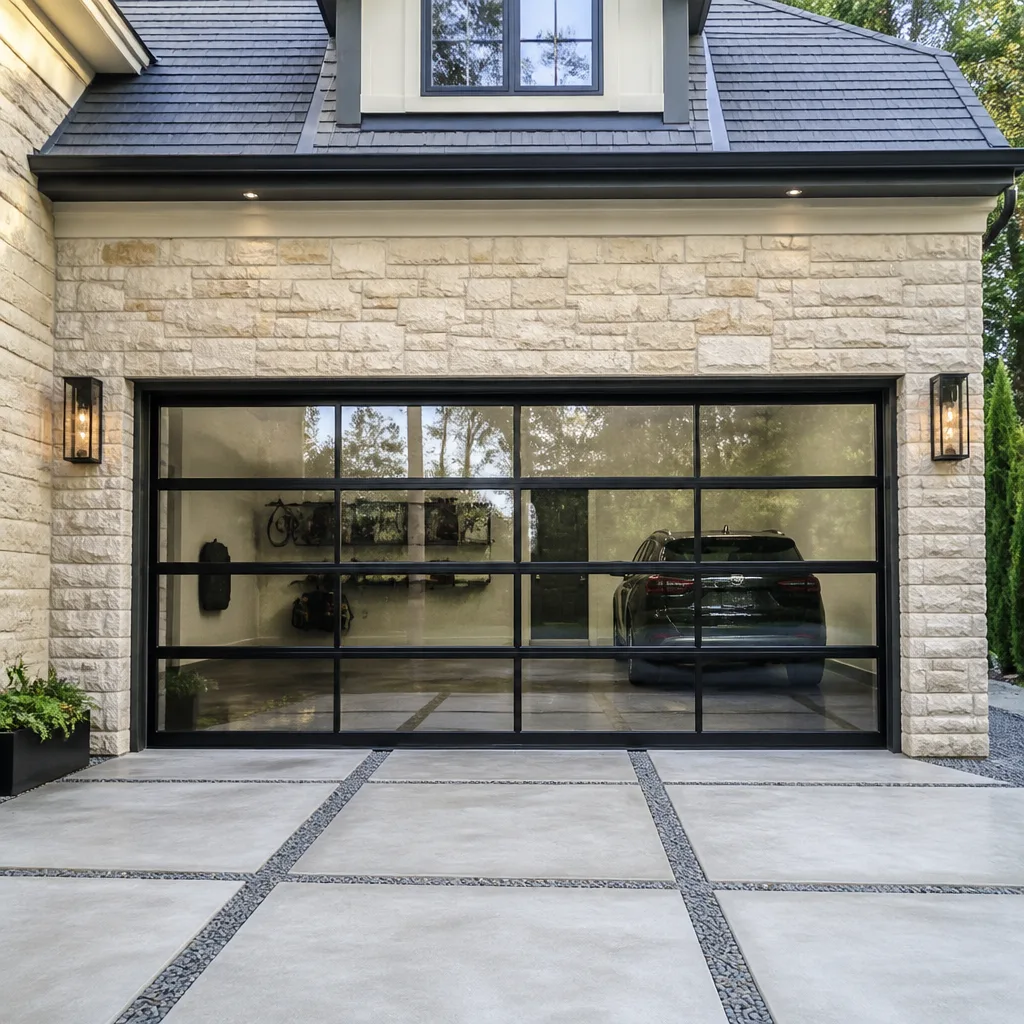 Full-view glass
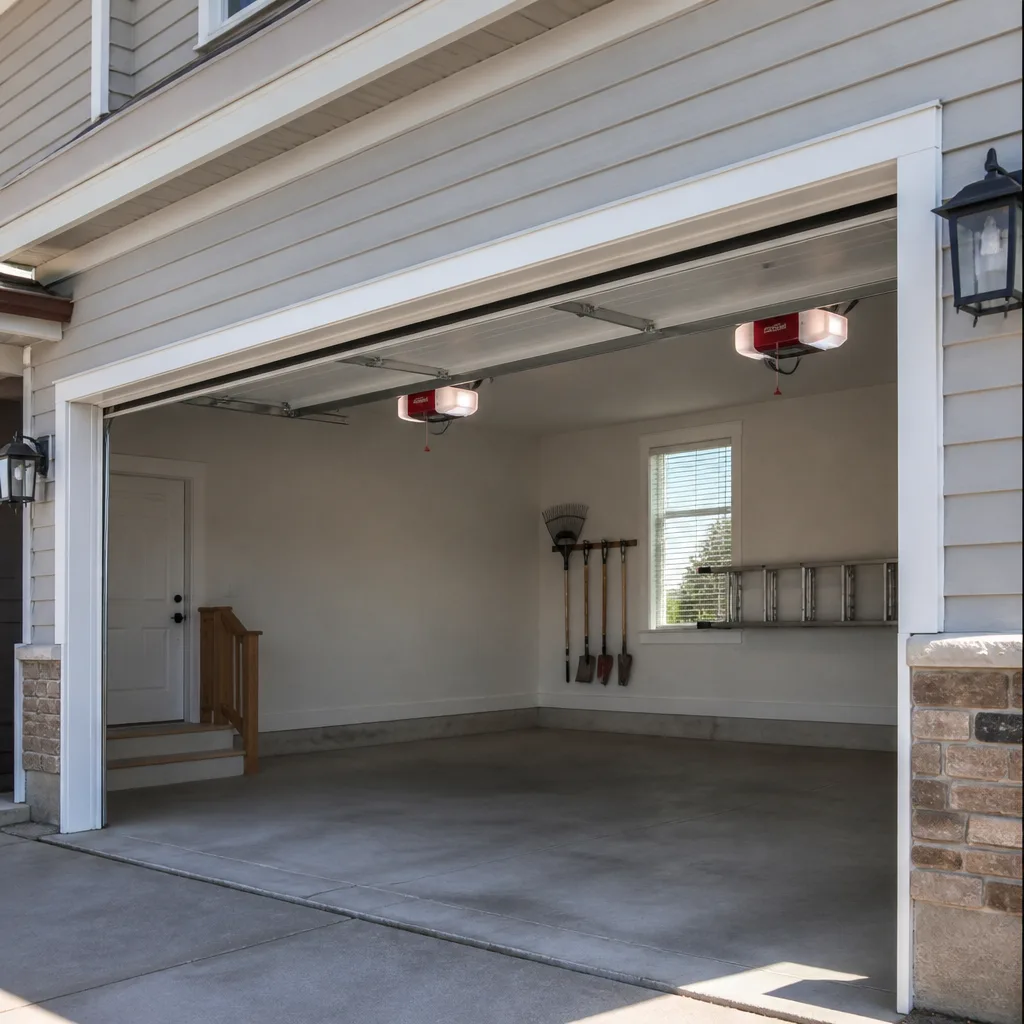 LiftMaster openers
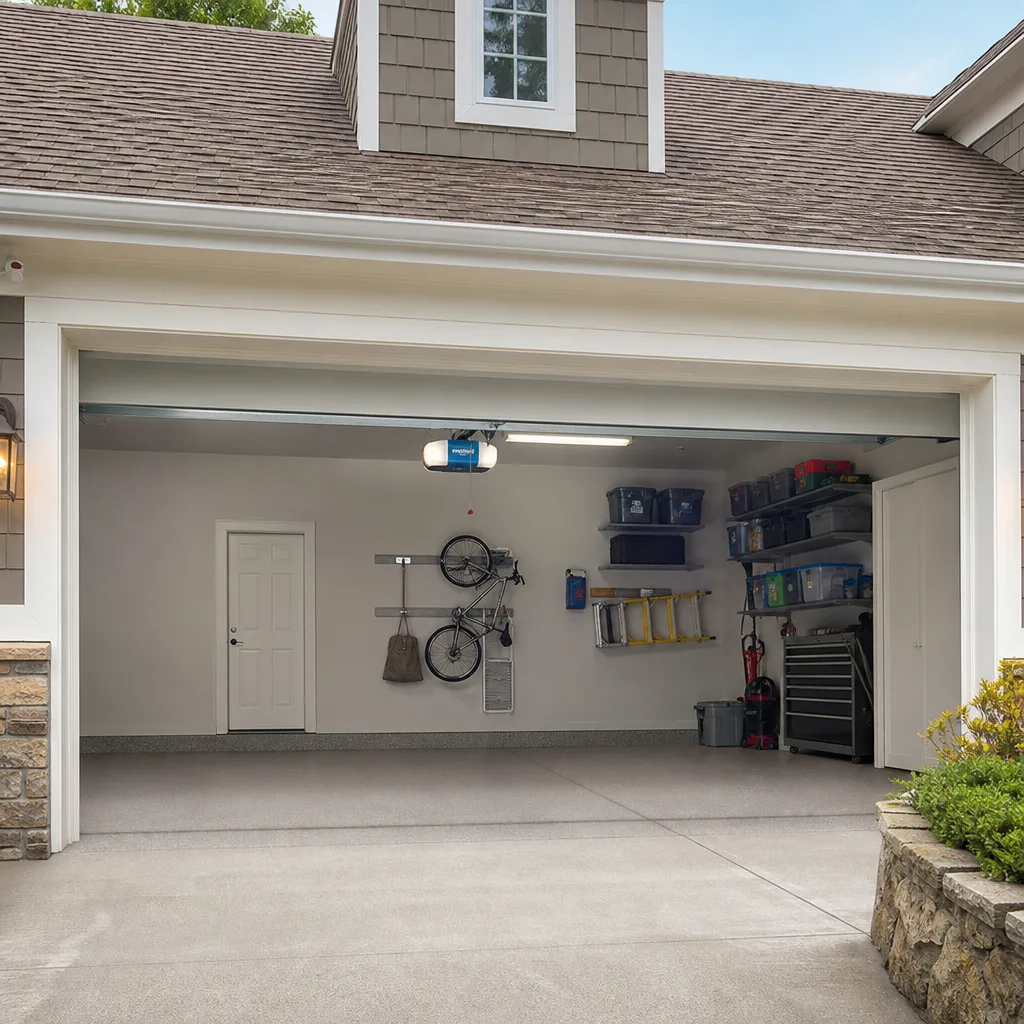 Chamberlain openers
Full 25-point door and opener safety check with every visit - springs, cables, rollers, tracks, and your LiftMaster or Chamberlain opener included
You get a price before we start. It does not change when the truck arrives.
Get your free estimateGarage Door Repair Maintenance Checklist for Marietta Homeowners
The number-one cause of garage door failure isn’t age. It’s deferred five-minute maintenance tasks that compound quietly until a torsion spring snaps on a Tuesday morning when you’re already late. Here’s the thing most generic checklists miss: Marietta’s specific climate profile, the Georgia clay, the March pollen bloom, the July humidity, doesn’t just weather your door. It actively accelerates wear on specific components in predictable ways. This guide is built around what actually fails in Marietta, not what fails in Phoenix or Portland. Follow it and you’ll cut Garage Door Repair services calls nearly in half.
Styles & brands we work with
Quick Answer
A complete garage door maintenance checklist for Marietta homeowners covers six areas: monthly visual inspections of springs and cables, a monthly reversal test and force test, quarterly lubricant application using lithium grease and silicone spray (never WD-40), a March pollen purge, annual track alignment checks, and seasonal adjustments for Georgia humidity that causes rust and swelling. Most tasks take under ten minutes. The payoff is a door that lasts years longer between service calls.
Table of Contents
- Why Marietta Wears Garage Doors Differently
- The Monthly Checklist (10 Minutes, No Tools Required)
- Marietta’s Seasonal Maintenance Schedule
- Lubrication: What Actually Works in Georgia Humidity
- The Reversal Test and Force Test: How to Run Them Properly
- How to Inspect Springs, Cables, and Rollers (Without Touching Them)
- The Printable Maintenance Log: Why It Saves You Money
- Common Mistakes to Avoid
- When to Call a Professional
- Frequently Asked Questions
- The Bottom Line
Why Marietta Wears Garage Doors Differently
Every region has a signature wear pattern. In Arizona, dry heat bakes rubber seals until they crack. In coastal Florida, salt air corrodes hinges within a few seasons. Marietta sits in a unique band where several forces converge. The red clay soil that defines Cobb County is more than a landscaping nuisance. It’s fine, abrasive, and gets kicked up onto the bottom track every time your tires cross the threshold. Once it works into the roller channels, it grinds against nylon rollers the way sandpaper grinds against wood. We regularly see doors on the west side of Marietta near Powder Springs Road with rollers worn flat on one side within three years.
Then there’s the humidity. From late May through September, Marietta averages relative humidity above 70 percent most afternoons. That means unpainted metal components, particularly older spring hardware and hinge brackets, flash-rust faster than they would in a dry climate. And when pollen season hits in late March, the fine yellow dust settles on everything including the photoelectric sensors at the base of your door tracks. A thin pollen film is enough to scatter the infrared beam and trigger false obstruction readings, which means your door stops mid-cycle or refuses to close at all. Most homeowners assume it’s a failing opener. It’s usually just dirty sensors.
The third factor is the temperature swing. Marietta sees January lows near freezing and July highs in the mid-90s. Steel expands and contracts through that range, which slowly loosens the bolts that hold tracks and hinges in place. A door that was perfectly balanced in December may be slightly off-plumb by August. That subtle drift puts uneven load on the torsion spring, the horizontal coil above your door that does most of the lifting, shortening its life by a meaningful margin.
If you want a deeper dive on how these forces produce specific failures, our guide to Garage Door Repair in Marietta walks through the most common service calls we run in this area. But for now, the point is simple: maintenance here is not optional. It’s the difference between a fifteen-year door and a seven-year door.
The Monthly Checklist (10 Minutes, No Tools Required)
Most of our Marietta customers tell us they assume maintenance requires specialized equipment or mechanical skill. It doesn’t. The high-value monthly tasks require nothing more than your eyes, your ears, and about ten minutes on a Saturday morning. Here’s the exact sequence we recommend, in order:
- Watch and listen to a full open-close cycle. Stand inside the garage and run the door through one complete cycle using the wall button, not the remote. Listen for grinding, scraping, or a rhythmic thump. A well-maintained door should sound smooth, almost soft. Any change in the sound signature from last month is an early warning. Note it in your log.
- Look at the spring, without touching it. The torsion spring is the coiled metal tube mounted horizontally above the center of the door, or a single long spring on one side. Observe it while the door opens. It should wind and unwind without hesitation. If you see a visible gap in the coil where it has separated, that spring is already broken and the door needs immediate service. Do not operate the door again until a professional arrives.
- Scan the cables on both sides. The steel cables run vertically alongside the door, usually attached near the bottom corners and winding onto drums at the top. Look for any sign of fraying: individual wire strands poking out from the main bundle, a fuzzy appearance, or a dull gray look instead of clean silver. A frayed cable is a loaded weapon under tension and it can fail without warning.
- Run the reversal test. Place a flat piece of wood, a 2×4 laid on its side works well, directly under the center of the door and close it. The door should touch the wood and reverse within two seconds. If it does not reverse promptly, that’s a safety issue and it means the force setting on your opener is too high. This test is expected by Georgia safety code and it’s the single most important monthly check.
- Run the force test. Close the door and try to manually lift it. It should raise smoothly with moderate effort, roughly the amount a gallon of milk requires. If the door feels unusually heavy, the spring tension is fading and the opener motor is being forced to compensate. That motor wasn’t designed for that load, and you’re burning out a $200-$400 component because of a $150-$290 spring.
- Wipe the photoelectric sensors. The two small boxes mounted near the floor on either side of the door track have a tiny lens on the front. Pollen, clay dust, and spider webs collect there. Wipe each lens with a dry microfiber cloth. This single step resolves more Marietta service calls than any other maintenance task we know of, and it takes thirty seconds.
At Marlow Garage Door Repair Marietta home, we built our entire service model around the insight that homeowners can catch most failures early if they know what to look for. The monthly checklist above is also the exact sequence our technicians use on a routine tune-up visit, just performed by you instead of us.
Marietta’s Seasonal Maintenance Schedule
A generic “lubricate twice a year” calendar fails in Marietta because winter here isn’t a storage season. Your door continues cycling through January. What changes is what your door is exposed to, and different exposures call for different tasks. Here’s the month-by-month schedule we’ve built from two decades of watching doors fail across Cobb County.
March: The Pollen Purge. This is the step that most national checklists completely skip, and it’s the one that matters most in Marietta. When the pine pollen starts coating cars in late March, the same layer is accumulating on your sensors, on the opener’s internal fan intake, and inside the track channels. Run the monthly checklist as usual, but add a deeper cleaning: use a slightly damp cloth on the sensor lenses, wipe the top surface of the opener unit where dust settles, and sweep the track interior with a dry paintbrush. If your door has been reversing unexpectedly for a few days in late March, this is almost always the culprit, not a mechanical problem.
May through August: Rust Watch and Lubrication. The high-humidity months are when unpainted metal starts showing surface rust. Inspect hinge brackets and spring coils for orange bloom. If you see it, clean the area with a wire brush and apply a thin coat of lithium grease. This is also the window to perform your quarterly lubrication, which we’ll cover in detail in the next section. One additional note: afternoon thunderstorms, and we get a lot of them in Marietta from June onward, can flood the base of the door if your exterior drainage slopes toward the house. Check that the bottom weather seal, the rubber strip at the base of the door, is still pliable and making full contact with the concrete. A dried or cracked seal lets water pool in the track, which accelerates rust dramatically.
October: Pre-Winter Balance Check. Before the first cold snap, run the force test with extra attention. A door that feels heavier in October than it did in July is telling you the spring is losing tension. Springs fatigue with use cycles, and it’s far cheaper to catch a weakening spring before it breaks. This is also the time to inspect the weather seal and replace any cracked sections before cold air starts leaking into a heated garage.
December through February: The “Less Use” Myth. Many homeowners assume winter means the door gets a break. In reality, ours is the opposite: colder months in Marietta bring more frequent cycling because kids are in and out for school breaks, and holiday deliveries mean the door opens more often. If the temperature drops below freezing, which happens several nights each January in Marietta, cold metal contracts and a slightly-off track can bind. Run the monthly checklist faithfully through winter and don’t skip December because of the holidays.
You’ll notice this schedule doesn’t ask you to buy anything special. The only consumables are lithium grease, a spray silicone, and occasional weather seal replacement. The full seasonal routine totals about an hour per year spread across the calendar.
Lubrication: What Actually Works in Georgia Humidity
Here’s the advice every national blog gets wrong: they tell you to spray WD-40 on your rollers and hinges. Here’s why that’s bad advice for Marietta specifically. WD-40 is a water-displacing solvent, not a lubricant. It’s designed to break down surface rust and then evaporate. In Georgia humidity, it also attracts moisture into the joint after it dries, which then flash-rusts the very metal you were trying to protect. We’ve diagnosed countless East Cobb doors where a homeowner faithfully WD-40’d their hinges for two years and created more oxidation than they prevented. We’ve also seen this happen repeatedly on doors in Kennesaw and Smyrna with the same humidity profile.
The correct lubrication system for a Marietta garage door uses exactly two products. Here’s what to use, and where:
- White lithium grease goes on metal-on-metal contact points: the torsion spring coil itself, the hinge pivot points, and the bearing brackets at each end of the spring. It’s thick, it stays in place, and it resists the wash-out effect of high humidity. Apply a thin bead along the top of the spring, not a heavy glob. You want a film, not a dripping layer.
- Silicone spray goes on the nylon rollers, inside the track channels, and on the weather seal. Silicone doesn’t attract clay dust the way heavier greases do, which matters in Marietta where red clay fines get airborne constantly. Spray a light mist into the roller bearings if the roller has a sealed bearing, a short burst is enough. Spray a light coat into each track channel and wipe away the excess.
What about graphite? Dry graphite powder works well on locks and keyed hardware, but it’s not ideal for track rollers because it migrates and stains the concrete driveway. Should you lubricate the chain on a chain-drive opener? Yes, use white lithium grease on that chain, too. A chain that squeaks on every cycle is wearing itself out prematurely.
Frequency matters. In Marietta’s humidity, we recommend lubricating every three months, not the standard six. The moisture load is higher, and the pollen season leaves a dry film on the metal surfaces that needs to be wiped away more often. If you’re already doing a quarterly visual inspection, adding two minutes of lubrication at the same time solves two maintenance slots at once.
The Reversal Test and Force Test: How to Run Them Properly
Garage doors are the largest moving object in most homes. The force they generate is enough to injure a child or a pet. That’s why Georgia safety code, and the same federal standard enforced nationwide, expects every homeowner to test their automatic opener’s safety mechanisms monthly. These are not optional checks. Here’s how to run them correctly.
The reversal test. Start with the door fully open. Place a flat piece of lumber on the floor directly under the center of the door opening. A standard 2×4 laid on its 4-inch side works perfectly because it simulates the height of a small child’s torso. Close the door with the wall button and watch closely. The door should touch the wood, hesitate for a fraction of a second, and reverse direction within two seconds of contact. If the door crushes the wood, pushes it, or hesitates longer than two seconds before reversing, your opener’s force sensitivity setting is too high. That’s a genuine safety hazard, not just an inconvenience. Test this every month without exception.
The force test. This test doesn’t measure the safety mechanism directly. It measures whether your spring is doing its job, which indirectly protects the opener motor. Start with the door fully closed. Use the red or orange emergency release handle hanging from the opener rail and pull it down until you hear a click. This disconnects the door from the trolley. Now, lift the door manually by the bottom handle or the bottom edge. A properly balanced door should lift smoothly with about 8 to 12 pounds of effort, roughly the feel of lifting a gallon of milk. It should stay in place when you release it at waist height, and it should close back down without wanting to slam. If the door is noticeably heavier than that, or if it drops quickly once you let go, the torsion spring tension is off. That’s the moment to schedule a Garage Door Spring Repair in Marietta before it turns into a broken spring at 7:15 on a school morning.
One note on safety, and this part is important. The reversal and force tests are safe for any homeowner to run. What’s not safe is adjusting the opener force setting yourself. The adjustment dials on a LiftMaster or Chamberlain unit are tempting to turn, but the counterbalance system is under enormous spring tension, and guessing at the force setting without a tension gauge is how doors get crushed and fingers get caught. If either test fails, treat it the same way you’d treat a check-engine light: don’t ignore it, don’t YouTube your way through a fix. Call a professional who does this daily. Our technicians at Marlow are trained on Chamberlain, LiftMaster, Genie, Craftsman, and Raynor specifically because those are the brands most common in Marietta garages, and a failure on any of them follows the same pattern.
How to Inspect Springs, Cables, and Rollers (Without Touching Them)
Your torsion spring is loaded with enough tension to lift a 300-pound door. Your lift cables are under similar load. This is the one part of garage door maintenance where the correct action is to look, not touch. You don’t need a wrench. You don’t need to stand on a ladder. You need to stand at the right angle and know what healthy looks like.
Reading your torsion spring. Stand inside the garage and look up at the spring mounted above the center of the door opening. A healthy spring is a continuous coil with no visible gaps. The surface may show a light oil sheen or a dusting of lithium grease, but there should be no rust bloom, no obvious dark cracks in the coil, and no separation between coils. When the door opens, the coils should wind tighter evenly, not shift sideways or jerk. If you see a one-inch or wider gap in the coil, that spring has fractured. A broken torsion spring is not a repair you can complete yourself without serious risk of injury. It’s also not a situation where you should try to close the door manually, because the emergency release will cause the door to drop with nothing holding it. Leave the door where it is and call us.
Reading your lift cables. The cables are the two steel ropes running vertically on either side of the door. Look at them when the door is closed and again when it’s open. On a healthy door, the cables are taut and the individual wire strands are pressed tightly together with a slight sheen. Warning signs to look for: strands that have separated and stick out like a fuzzy brush, a section that appears flattened or oval instead of round, a dull brown or gray patina that suggests corrosion, or slack in the cable when the door is closed. Any one of these means the cable could snap on the next cycle. A snapped cable under tension whips with enough force to cause serious injury, which is why we treat even a frayed cable as an emergency call. Our Garage Door Cable Repair in Marietta service exists precisely because this is the failure that scares us the most to hear about.
Reading your rollers. The rollers live inside the track and carry the door up and down. You can see them without removing anything: just look at the bottom of the door where the first roller sits in the curved part of the track. A healthy nylon roller is round with no visible flat spot. A worn roller develops a flat side that produces the rhythmic thumping sound we mentioned in the monthly checklist. Rollers wear faster on doors that see more cycles, and in Marietta’s acidic clay-heavy environment, grit inside the bearing accelerates it further.
The entire visual inspection takes about two minutes once you know what you’re looking for. Write down anything unusual in your maintenance log and compare against the previous month. Patterns emerge quickly, and a short note like “roller 3 flat edge, right side” can cut a technician’s diagnostic time in half when you eventually need service.
The Printable Maintenance Log: Why It Saves You Money
Here’s a maintenance habit that most guides never mention, and it directly impacts what you pay. Keep a written log of every maintenance task and every observed irregularity. A simple notebook or a notes app works. Each entry takes ten seconds: the date, the task, the observation. The value is not in the writing. It’s in the pattern.
A log entry from March that says “sensor lens dirty, wiped clean” followed by an entry in April that says “sensor lens dirty again, same side” tells you something important: the problem isn’t pollen, it’s a misaligned sensor bracket that keeps drifting. A log that shows “door heavy on manual lift test, October” and “door heavier, November” is your early warning that the spring is fatiguing on a schedule. That means you can plan a replacement instead of calling us at 11 p.m. when it finally breaks.
There’s a second benefit, and it’s a financial one. When you do call us for a repair and you can hand the technician a log showing exactly when you lubricated the springs, exactly when the rollers started making noise, and exactly which month the door began feeling heavy, the diagnostic process shrinks dramatically. The tech doesn’t have to guess which component failed first. They can see the timeline. That’s less time on-site, which means a smaller bill for you. It also means the fix happens faster because the problem is already half-diagnosed before we arrive.
If you want to set this up, here’s a simple template. Column one: date. Column two: task completed (lubrication, reversal test, sensor wipe, visual inspection). Column three: observation (normal, or describe what you noticed). Keep it in the garage near the door. That’s it.
Common Mistakes to Avoid
- Using WD-40 as a lubricant. It strips moisture and evaporates, leaving bare metal exposed to Marietta’s summer humidity, which accelerates rust exactly where you were trying to prevent it. Use white lithium grease on metal contact points and silicone spray on nylon and plastic.
- Skipping the March sensor wipe. Pine pollen coats the photoelectric lens every spring in Marietta, and a thin yellow film is enough to scatter the infrared beam and cause false reversals. Thirty seconds with a dry cloth prevents a service call you didn’t need.
- Ignoring a slow reversal response. The reversal test is not pass-fail on whether the door eventually goes back up. If it hesitates more than two seconds after contact, that’s a failure. The force setting is wrong, and the next thing that touches the door may not trigger a reversal at all.
- Attempting DIY spring work. Torsion springs are under enough tension to break bones or worse. This is not a skill to learn from a video. The cost of a professional repair, typically $150-$290 for a spring replacement, is less than an emergency room copay.
- Oiling the track itself. Tracks are not a lubrication surface. Grease and oil in the track channel just collect red clay dust and turn into an abrasive paste. Clean tracks dry with a brush, and lubricate the roller bearings instead.
- Assuming winter means less maintenance. In Marietta, the door cycles just as much in January as in July, and the cold-weather contraction can expose track misalignment you didn’t notice in August. Keep the monthly checklist running year-round.
- Replacing one spring instead of both. On doors with two springs, they wear at roughly the same rate. If one breaks and you replace only it, the uneven tension will cause the other to fail sooner, and you’ll pay for two service calls instead of one. Replace both when one goes.
When to Call a Professional
Most of the maintenance in this guide is safe for any homeowner. But there are specific moments when the right move is to stop, leave the door alone, and call someone who does this daily. A broken torsion spring with a visible gap in the coil. A frayed cable showing separated wire strands. A roller that has popped out of the track entirely. An opener that fails the reversal test even after you’ve wiped the sensors. Any situation where the door is hanging crooked or binding on one side. These are not tune-up issues. They’re active safety risks. Jaylen Ross, our owner at Marlow Garage Door Repair Marietta home, has spent two decades getting Marietta doors out of these exact situations, and the pattern he describes is always the same: the sooner you call, the smaller the repair. Marlow Garage Door Repair Marietta offers free estimates throughout the area, including East Cobb, West Marietta, and the neighborhoods around Kennesaw Mountain. Call (912) 575-7540 and you’ll get a written price before any work starts.
Frequently Asked Questions
Every three months. Marietta’s summer humidity and spring pollen season put extra stress on metal components, and a quarterly schedule keeps the lithium grease and silicone spray from breaking down between applications. Each lubrication pass takes about five minutes.
In Marietta, that’s almost always pollen on the photoelectric sensors. The fine yellow film that coats cars in late March also settles on the sensor lenses at the base of your door tracks, scattering the infrared beam and triggering false obstruction readings. Wipe the lenses with a dry cloth and the problem resolves immediately. If it persists after cleaning, the sensor bracket may be misaligned and you should call for a proper adjustment.
For most homeowners, maintenance costs between $10 and $25 per year in consumables: a can of white lithium grease, a can of silicone spray, and occasional weather seal replacement. That’s compared to an emergency spring replacement that typically runs $150-$290, or a cable replacement in the $120-$200 range. At Marlow Garage Door Repair Marietta, every repair is covered by our 365-Day Done Right Promise, and you’ll always see a written price before we touch a wrench.
Run the manual lift test monthly. Pull the emergency release and lift the door by hand. A door that feels noticeably heavier than a gallon of milk, or drops quickly when you let go at waist height, has a weakening spring. A visual inspection showing surface rust or a gap in the spring coil is also a warning. Both signs mean the spring is near the end of its life, which is the time to replace it on your schedule rather than after it breaks.
Yes, and it’s a safety requirement, not a suggestion. The reversal test confirms that your opener’s force sensitivity is working correctly, which is the mechanism that prevents the door from crushing a child or pet. In Georgia, homeowners are expected to run this test monthly. It takes thirty seconds and requires nothing more than a 2×4 and the wall button.
The maintenance tasks in this guide, the visual inspections, the lubrication, the sensor cleaning, the safety tests, are all designed to be done by homeowners without specialized tools or training. If any of those tasks reveals a problem, a frayed cable, a broken spring, a failed reversal test, that’s when you should call a professional rather than attempt a fix yourself. Marlow Garage Door Repair Marietta is available at (912) 575-7540 with free estimates and a written price before any work begins.
The Bottom Line
Your garage door is a mechanical system that cycles two to five times a day, every day, in an environment that’s actively working against it. Marietta’s clay, pollen, humidity, and temperature swings all accelerate wear on specific components in predictable ways. The maintenance checklist in this guide is built around those specific local forces, not around generic national advice. Ten minutes a month, a two-product lubrication kit, and a written log in your garage. That’s the entire system. In exchange, you get a door that lasts years longer, an opener that doesn’t burn out prematurely, and the confidence of knowing exactly what’s happening with the largest moving object in your home. When something does require professional attention, and eventually something will, you’ll already have the data to describe the problem clearly. That makes our job faster and your bill smaller.
Written by Jaylen Ross, Owner at Marlow Garage Door Repair Marietta, serving Marietta since 2002.
Contact Marlow Garage Door Repair Marietta today at (912) 575-7540 for a free estimate on any garage door repair, spring replacement, or cable fix. We’ll give you a written price before any work starts, and every repair is backed by our 365-Day Done Right Promise.
See the difference
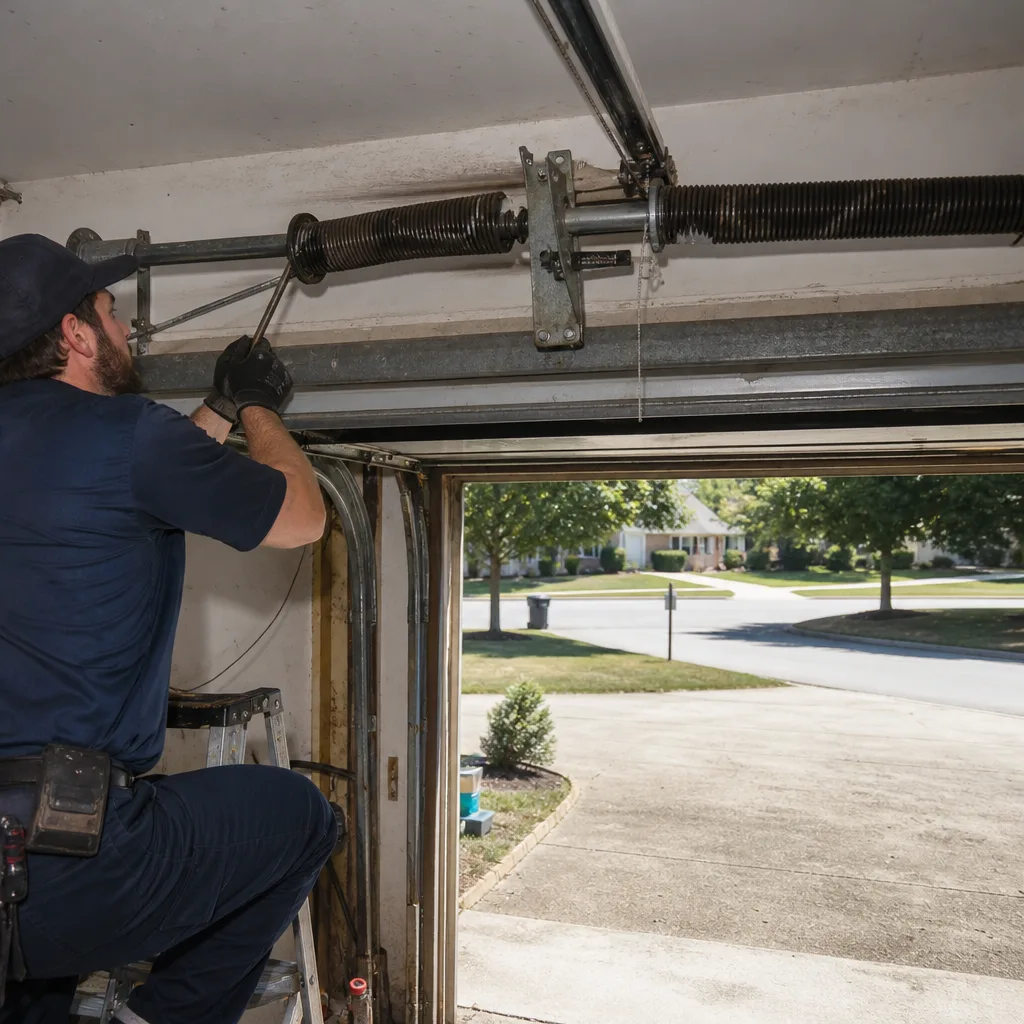 Before
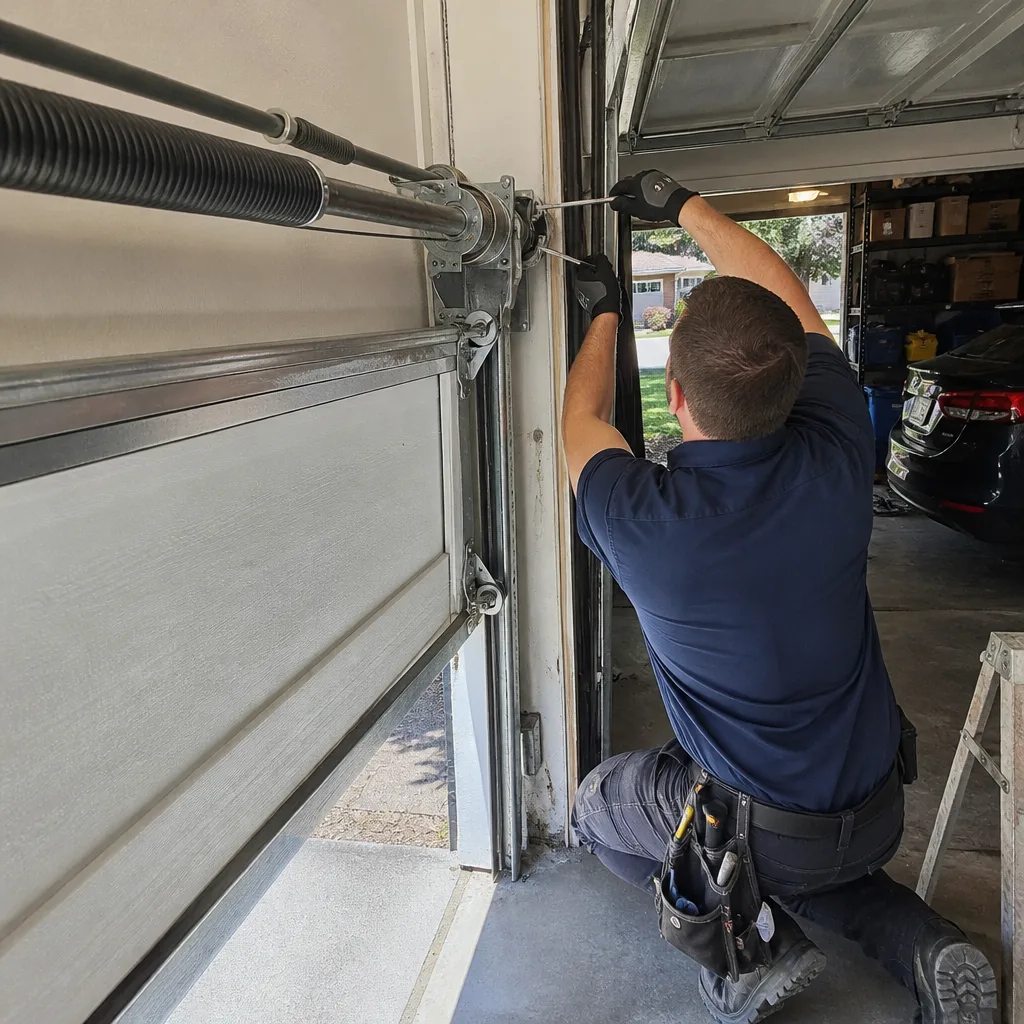 After
After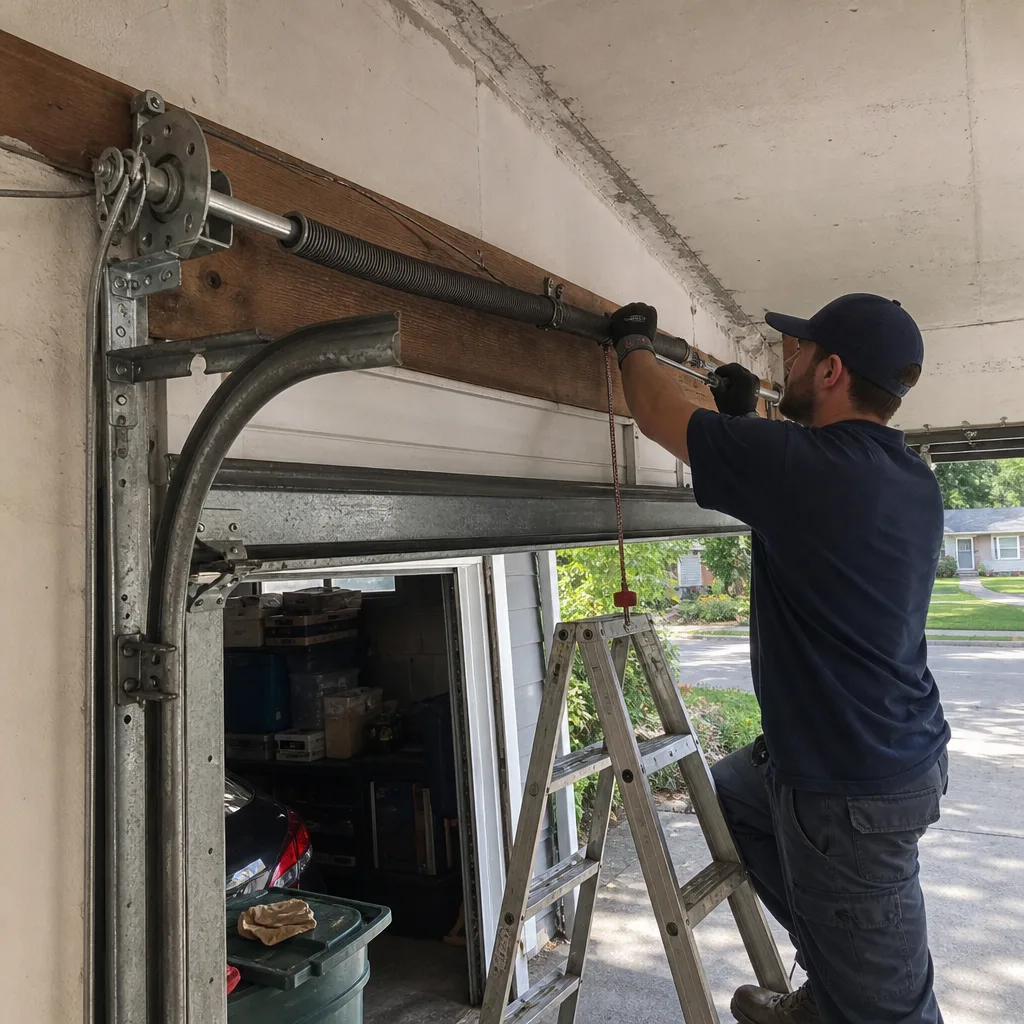 Before
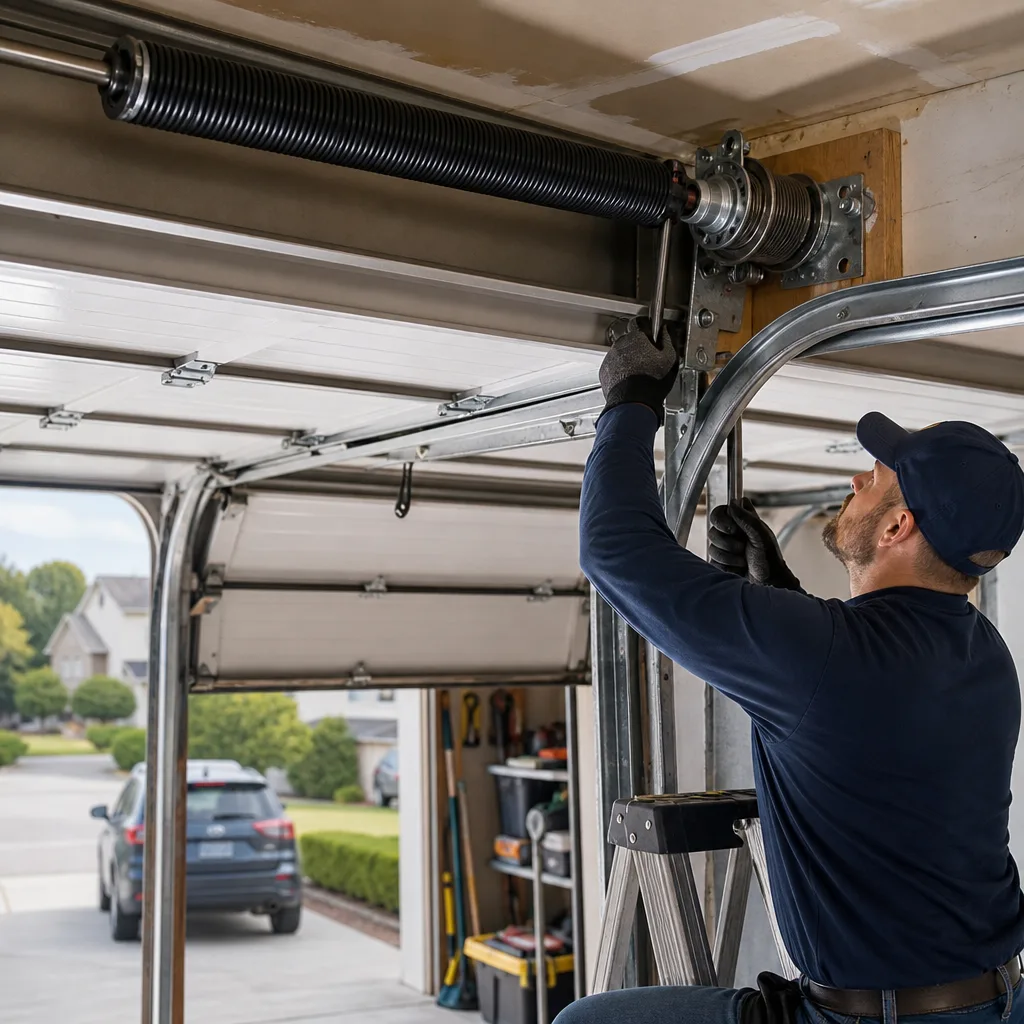 After
After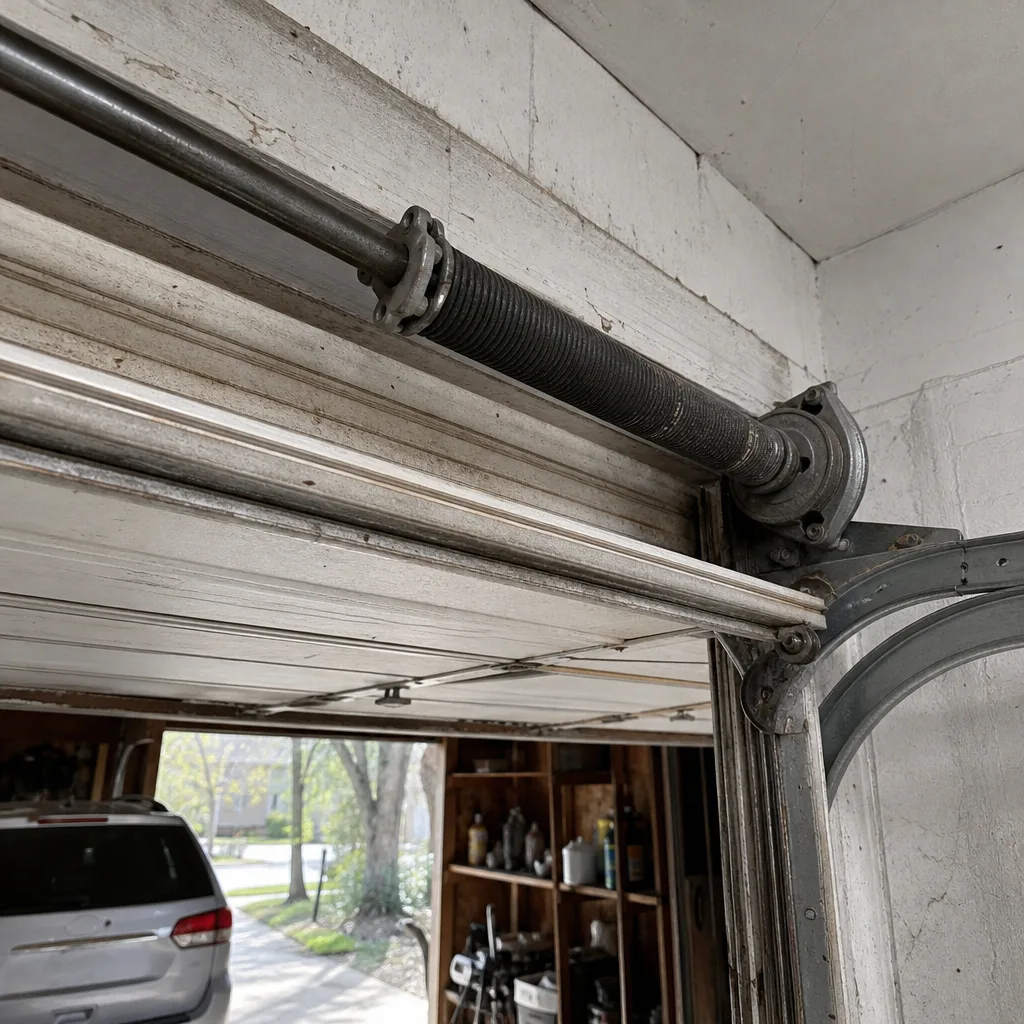 Before
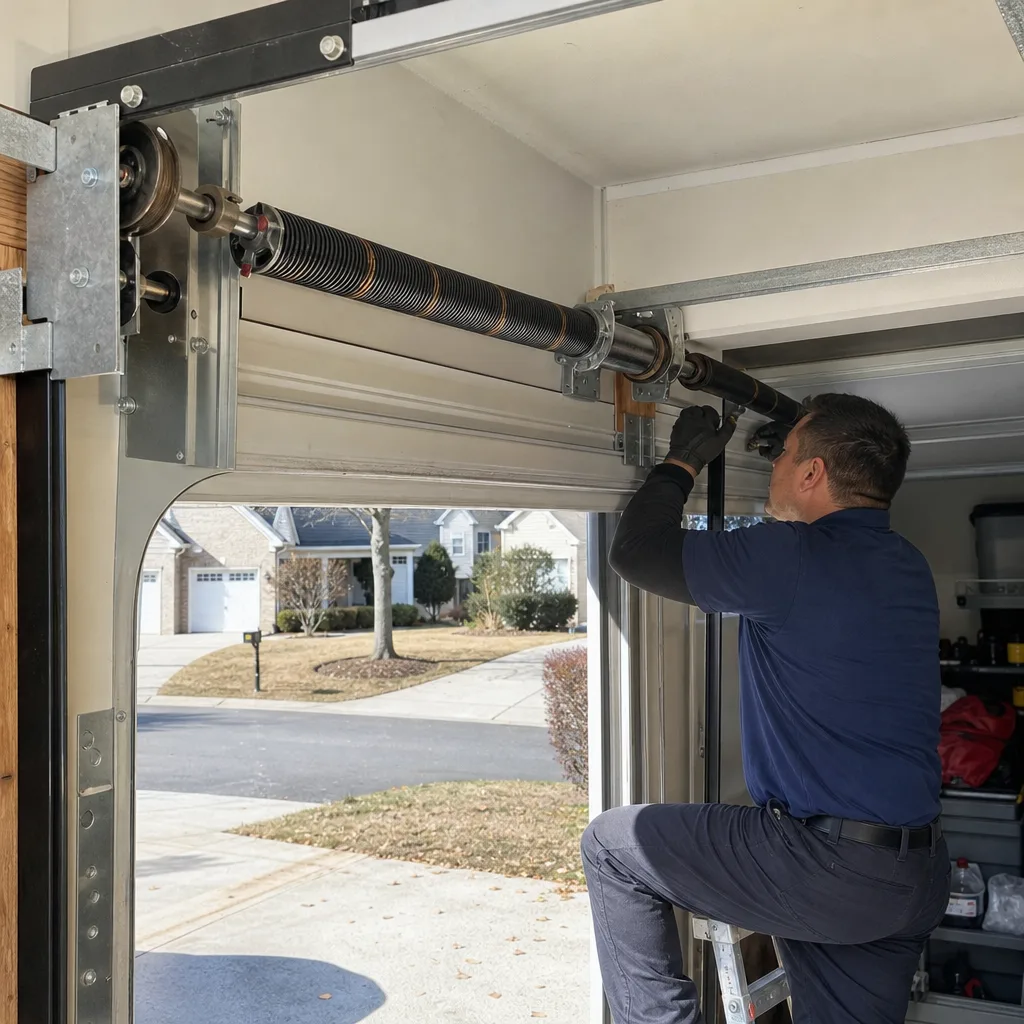 After
After